

Five problems that kill petrochemical deals.
We engineered each one out.
Every trader can talk about quality and price. Few can talk honestly about the reasons deals actually fall apart — fraud, volatility, documentation, minimum order quantities, and hazmat logistics. This is the full playbook on how we've solved each of them.
The Trust Problem
"Scams, ghost shipments, and the fear of wiring money to a stranger."
Buyers and sellers don't know each other. Fake suppliers promise bitumen and disappear with the advance. Shipments claimed 'already loaded' never existed. This single fear stops more petrochemical deals than price, quality, or logistics combined.
Escrow-backed contracts. Verified documentation. Zero advance to strangers.
We operate under Omani commercial law with a commercial registration, audited financials, and a fifteen-year transaction history verifiable through Chamber of Commerce records. On first transactions we accept LC at sight, SBLC, or escrow through a mutually agreed bank. No advance payments required to unverified accounts. Every document in your package is independently verifiable.
The Volatility Problem
"By the time paperwork clears, the margin is gone."
Urea, Sulphur, Bitumen, and HDPE can swing 15–40% in weeks. Buyers agree a price Monday, paperwork takes three weeks, the market has moved twelve percent the wrong way, and suddenly nobody wants to honor the contract. Lost deals. Wasted operations.
Price locks. Index-tied contracts. 72-hour firm quotes.
We hold firm offers for 72 hours — signed, in writing, with no surprise clauses. For repeat buyers, we offer index-tied contracts where the price floats with Argus or ICIS — neither party wins or loses when the market moves, and deals actually close. Fixed-price volumes can be hedged through our banking partners for premium contracts. No more walking away from signed deals.
The Documentation Problem
"One wrong document. Container stuck at port for weeks."
SGS inspection certificates, MSDS sheets, Certificate of Origin, fumigation certs, phytosanitary, customs HS codes that vary by destination country. One misspelled consignee. One wrong HS code. The container sits at destination for three weeks accruing demurrage — and that demurrage can exceed your gross margin on the cargo.
Full documentation desk. Country-specific compliance. Zero stuck cargoes.
Every contract includes a dedicated documentation lead who knows the exact compliance chain for your destination country. We pre-verify HS codes against your customs broker before loading. All documents — Bill of Lading, SGS/Intertek, MSDS, Certificate of Origin (legalized where required), fumigation, packing list, invoice — are sent digitally within 48 hours of vessel departure and couriered in parallel.
The MOQ Problem
"You need 50MT to test. Everyone wants 5,000MT minimum."
Industrial commodities come in full vessel lots. Bitumen: 3,000–5,000MT minimum. Caustic Soda: 500MT. Sulphur: full shiploads. SME buyers, new markets, and converters wanting to qualify a new supplier need 50–100MT to test — and the middle market is catastrophically underserved. You're forced to commit to a whole-vessel gamble with an unknown supplier.
Groupage shipments. Bitutainer. 20MT flexibility.
Bitumen from 20MT (single bitutainer) or 150/180kg drum loads in 20ft containers. Urea, Caustic, and Sulphur in 25MT container lots via groupage. Polymers in 25–300MT flexible parcels ex-Sohar and Jebel Ali. We consolidate multiple buyers into shared vessels so you never need to commit to a full ship on your first deal.
The Hazmat Logistics Problem
"Your forwarder just told you caustic soda can't transship through Singapore."
Caustic Soda (Class 8), Activated Carbon (Class 4.2 for coconut-shell), Bitumen (temperature-controlled), Sulphur (dust-hazard). Standard freight forwarders who don't specialize create expensive mistakes: wrong declarations, non-compliant containers, ports that reject the cargo mid-transit. Your container ends up in a yard in Busan nobody can touch.
In-house hazmat desk. IMDG-certified forwarders only. Temperature-controlled routing.
Our logistics desk handles the forwarder selection for hazardous and temperature-sensitive cargoes. We work only with IMDG-certified freight forwarders and shipping lines with active dangerous-goods approvals on your specific route. Heated bitutainers for bitumen in winter-arriving markets. Pre-cleared hazmat paperwork. Specialized port agents at destination.
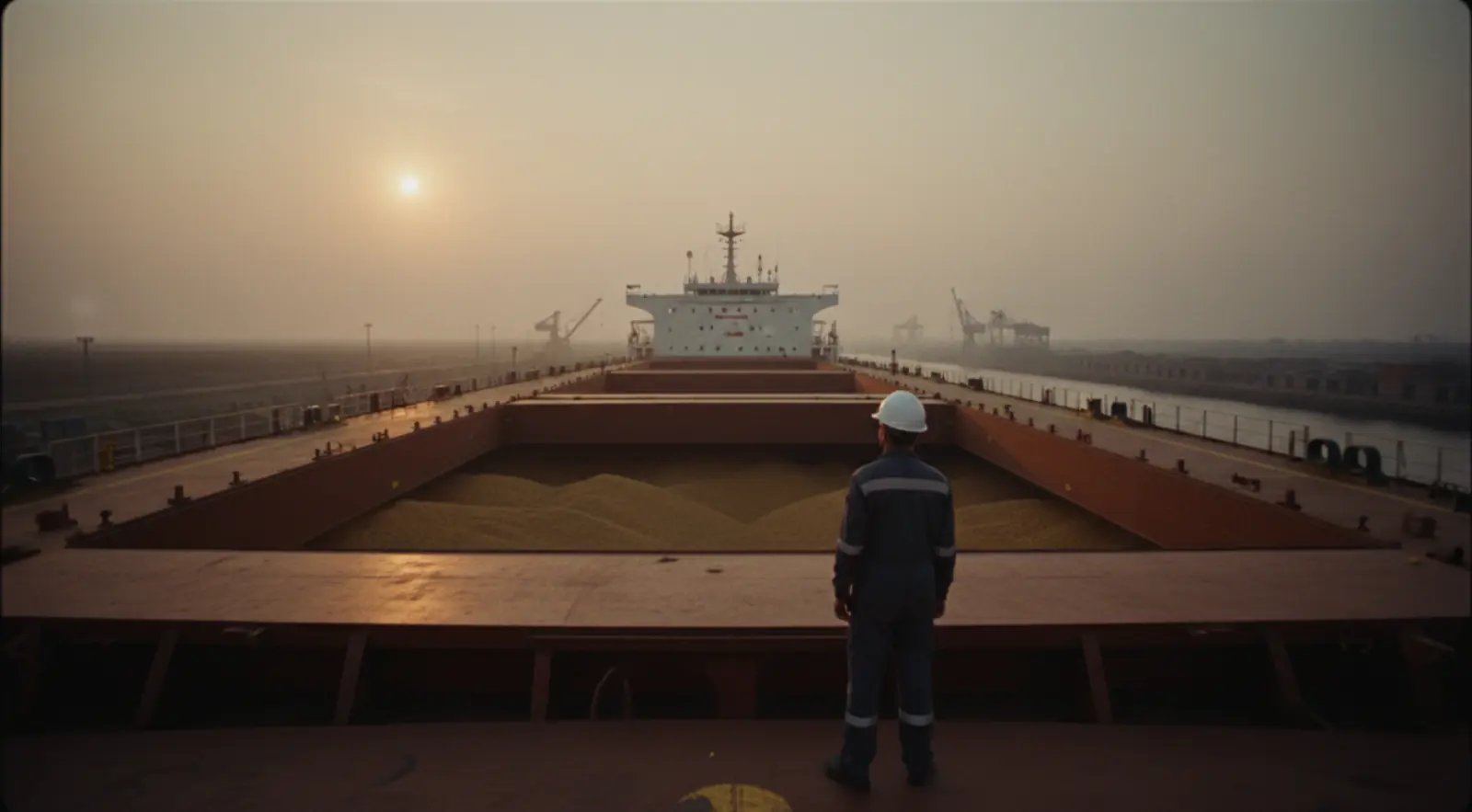
Quality you can check before the ship sails.
The next petrochemical deal you close should actually close.
Tell us your product, your volume, your destination. We'll come back with a firm offer — price locked for 72 hours, documentation pre-verified, logistics pre-vetted.