

Reports, forecasts, and guides — written by the traders who move the cargo.
Buyer's guides, specifications explained, and practical notes on shipping, documentation, quality, and procurement. Written by the Chemineral trade desk — no content marketing, no filler.
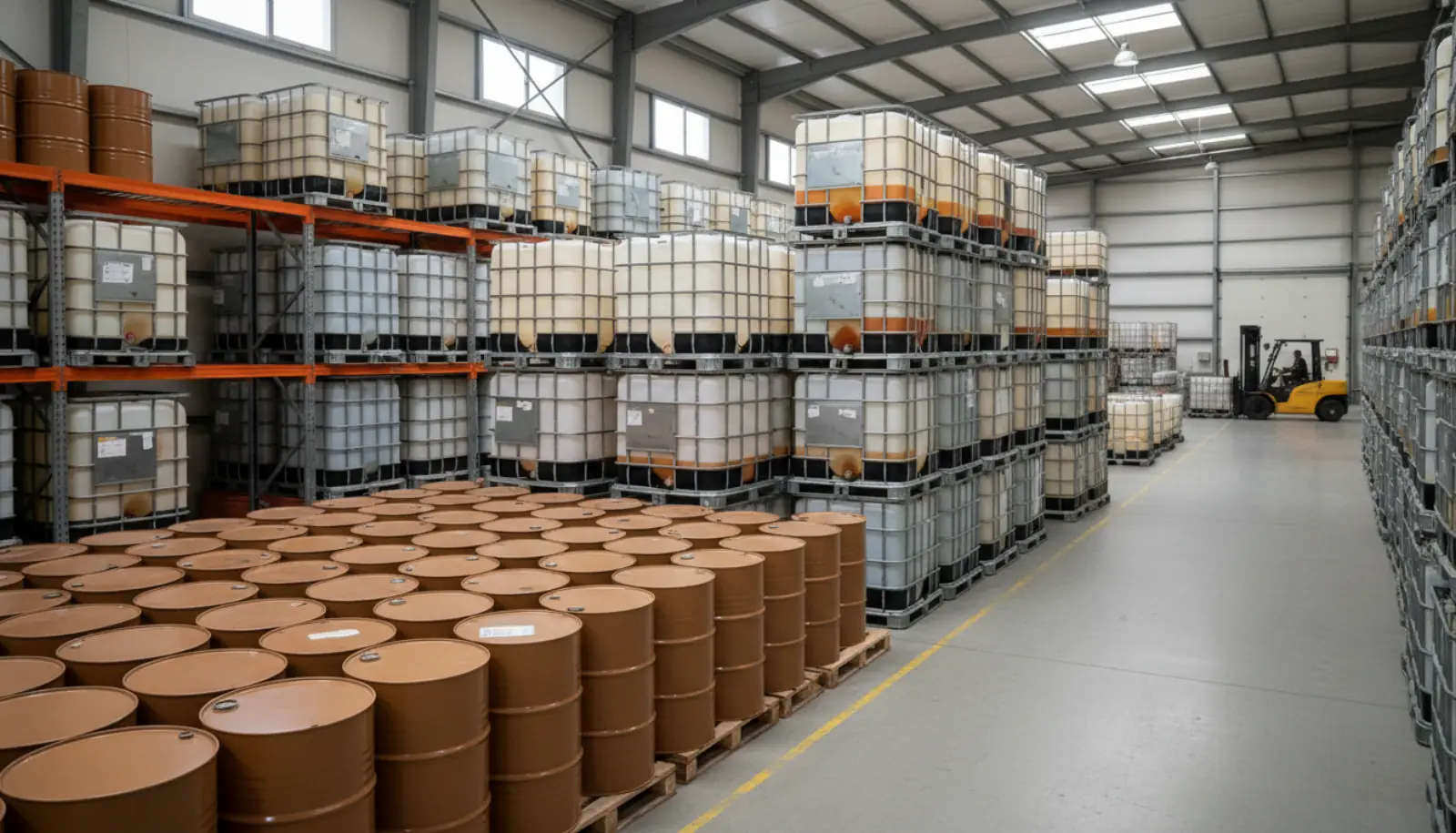

Calcium Carbonate as a Filler in Plastics and Masterbatch: Buyer's Guide
What calcium carbonate adds to plastics and what it costs, how particle size, top-cut, coating and moisture affect extrusion and film, and what to specify when you buy a filler grade.

Sanctions and Compliance in Commodity Trade: A Practical Guide
How buyers and sellers of bulk commodities screen counterparties, vessels and ports, ask about end use, spot red flags, write compliance clauses and keep records, and what to do when in doubt.
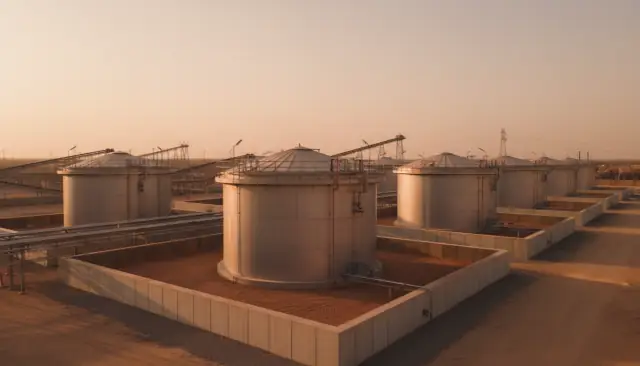
Storing and Handling Caustic Soda: Solid and Liquid, at the Buyer's End
How to store and handle caustic soda flakes, pearls and liquor after delivery: moisture and CO2 pick-up, tank materials, dissolving heat, freezing, PPE, spills and segregation.

Certificates of Origin for Bulk Trade: Types, Data and Common Errors
What a certificate of origin proves, how preferential and non-preferential origin differ, who issues one, the mistakes that cause rejection, and how to verify a certificate.
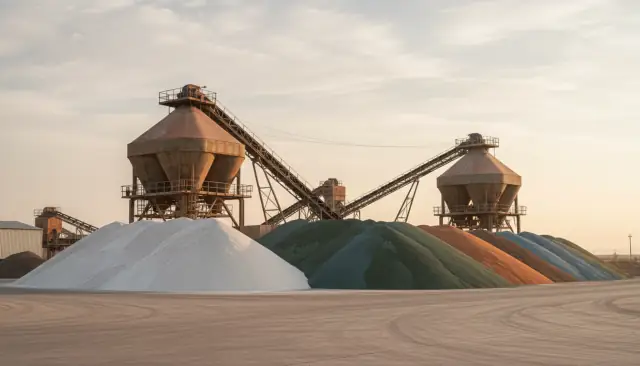
Granular Urea in NPK and Bulk Blends: Size, Moisture and Compatibility
Why blenders choose granular urea, and how to match granule size, limit segregation, control moisture and caking, check compatibility and write a purchase specification.
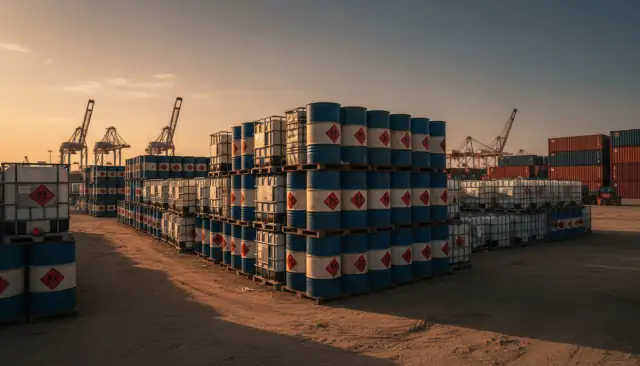
Shipping Chemicals as Dangerous Goods by Sea: A Buyer's Guide
How sea shipments of dangerous goods are classified, packed, marked, declared and stowed, and what importers should settle with the seller and carrier before booking.
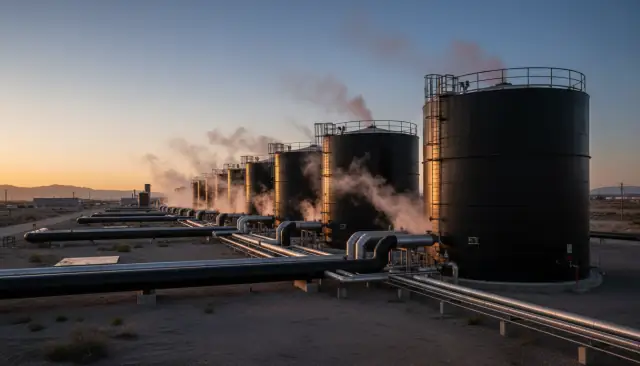
Storing and Handling Bitumen: Heating, Tanks, Drums and Safety
How to heat, store and unload bitumen at your site without ageing the binder or injuring staff: temperature control, tanks, drums, water hazards and housekeeping.

Payment Terms in Bulk Commodity Trade: TT, LC, Collections and Open Account
How advance TT, letters of credit, documentary collections, open account, credit insurance and staged payments allocate risk between buyer and seller, and how Incoterms and documents fit in.

Polymer-Modified Bitumen (PMB): Why It Is Used, How to Test and Specify It
What PMB is, when it beats straight-run bitumen, how SBS compares with other modifiers, and what to write in a specification: elastic recovery, storage stability, heating limits and tests.

Quality Claims and Disputes in Bulk Chemical Trade: A Buyer's Guide
How quality disputes arise on bulk chemical cargoes and how they are settled: retained samples, quality clauses, notice periods, umpire labs, arbitration versus courts, and evidence to keep.
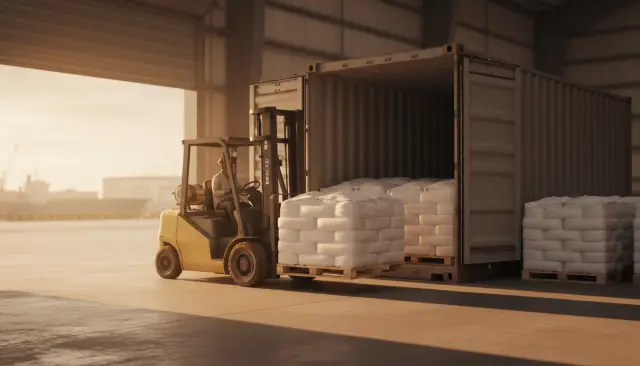
Shipping Polymer Resin in Containers: Loading, Moisture and Free Time
How to ship PE and PP resin in 20ft and 40ft containers: bagging, palletising, condensation control, loading plans, seals, FCL versus LCL, detention and demurrage, and documents.

Draft Surveys for Bulk Cargo: Accuracy, Outturn and Shortage Claims
How a draft survey weighs a bulk cargo from the ship's draft, where its errors come from, how it compares with shore scales, and how to handle bill of lading versus outturn differences.

HS Codes for Petrochemicals: Six-Digit Headings and Why They Matter
What HS codes are, how the six-digit international code differs from national tariff lines, why misclassification costs money, and the six-digit headings for bitumen, urea, sulphur, polymers and more.
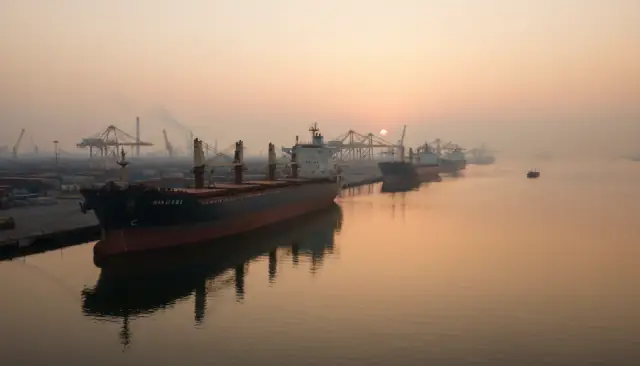
Laytime and Demurrage Explained: NOR, SHINC/SHEX and Time-Bars
How laycan, notice of readiness, laytime, demurrage and despatch work on bulk cargoes, with a hypothetical laytime statement and the contract clauses that keep buyers out of disputes.

Marine Cargo Insurance Guide: ICC (A), (B), (C), War, Strikes and Claims
What the Institute Cargo Clauses cover, why CIF only gives minimum cover, how general average works, who insures under each Incoterm, and the steps to take when a cargo is damaged or short.
Activated Carbon Selection Guide: Raw Material, Form and Key Specifications
Coconut shell, coal or wood; powder, granules or pellets. Learn how iodine number, methylene blue, ash, hardness and mesh size should drive your purchase for water, gold, air or food.
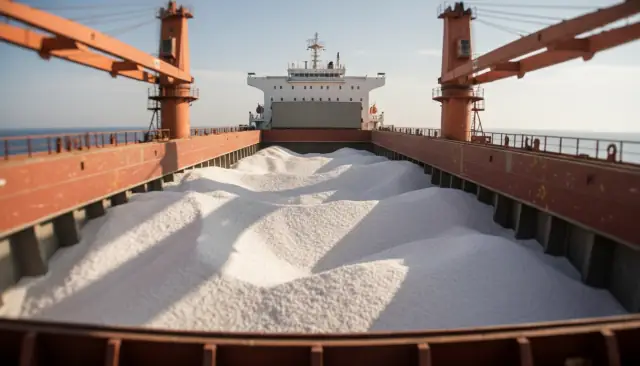
Bagged vs Bulk Fertiliser Shipping: Costs, Risks and Port Realities
Should you ship fertiliser in 50 kg bags, jumbo bags or bulk? A buyer's guide to moisture and caking risk, hold cleanliness, discharge rates, port infrastructure and cost trade-offs.

Base Oil Group I, II and III Explained: A Buyer's Guide to API Categories
Group I, II and III base oils differ in saturates, sulphur and viscosity index. Learn how SN150, SN500 and bright stock fit each group, and which CoA lines to check before you buy.
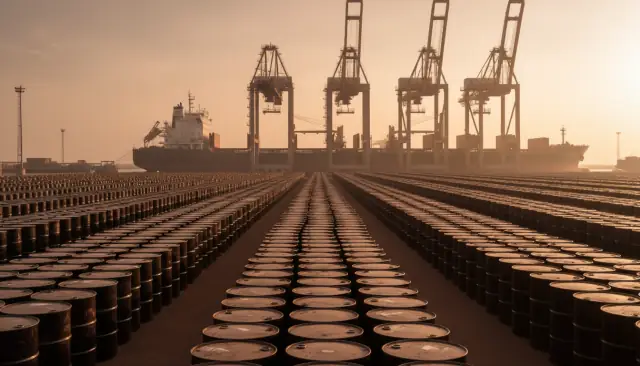
Bitumen Grades Explained: Penetration, Viscosity and PG Compared
How to read a bitumen grade name, how 40/50, 60/70, 80/100, 85/100, VG-10/30/40 and PG grades differ, and which grade suits your climate, traffic and application.
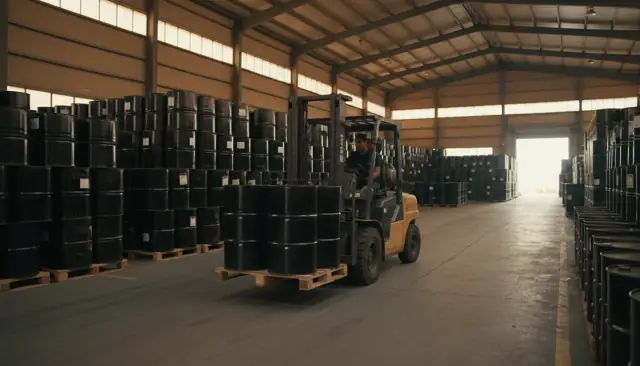
Bitumen Packaging and Transport: Drums, Bags, Flexitanks, ISO Tanks, Bulk
Compare steel drums, jumbo bags, flexitanks, ISO tanks and heated bulk vessels for bitumen: handling, reheating, losses and how to choose by your destination's infrastructure.

Bitumen Quality Tests to Demand on the Certificate of Analysis
What penetration, softening point, ductility, flash point, solubility, ageing tests and specific gravity tell you about bitumen, how to read a certificate, and the red flags to look for.
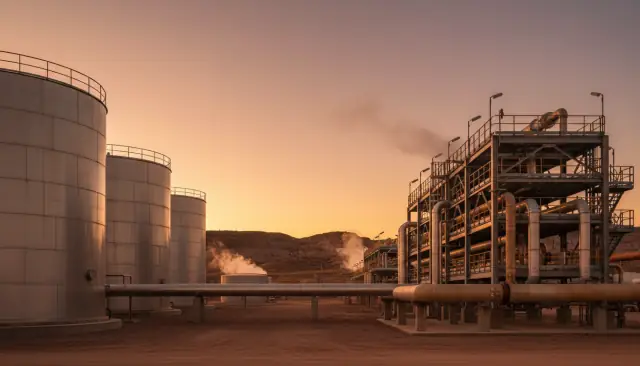
Caustic Soda Flakes, Pearls or Liquid: How to Choose the Right Form
Flakes, pearls and liquid lye are one chemical in three formats. Here is how concentration, purity, packaging, safety and freight decide which form belongs in your supply chain.
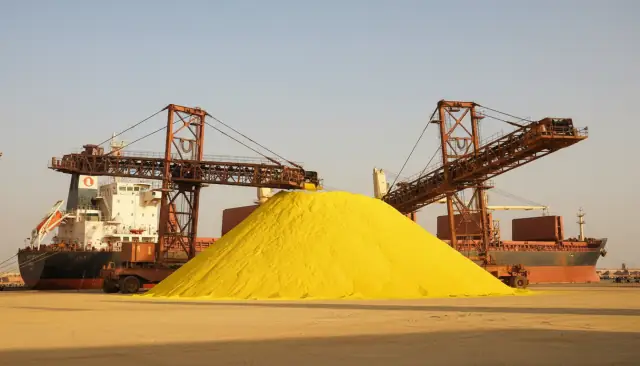
Granular Sulphur Buyers' Guide: Forms, Purity, Uses and Safe Handling
How to choose between granular, lump, prilled, flake and powder sulphur, read purity, ash, acidity and moisture figures, and handle a flammable, dust-explosive cargo safely.

Ground vs Precipitated Calcium Carbonate: GCC or PCC, and How to Specify
GCC is milled from natural rock; PCC is made by precipitation. Learn how whiteness, D50 and D97, coating and moisture decide which to buy for plastics, paint, paper and construction.
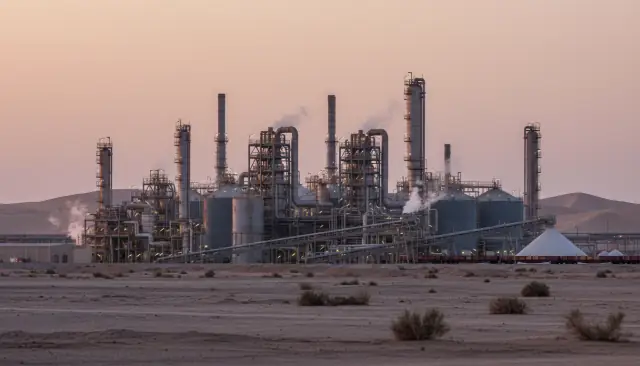
HDPE vs LDPE vs LLDPE: How to Choose the Right Polyethylene
HDPE, LDPE and LLDPE are all polyethylene, but chain structure changes stiffness, clarity and processing. Here is how each behaves and how to match grade to application.
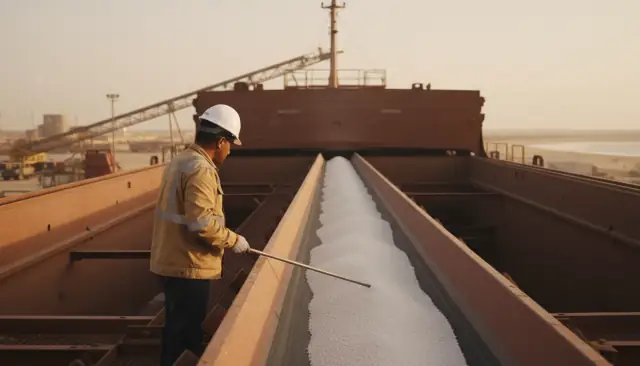
How to Read a Urea Specification and Certificate of Analysis
A buyer's walkthrough of the numbers that matter on a urea spec and CoA: total nitrogen, biuret, moisture, size, free ammonia and coatings, plus what is negotiable and the red flags to watch.
How to Verify a Petrochemical Supplier and Avoid Trade Fraud
Common scam patterns in petrochemical trading, a step-by-step due-diligence process, safer payment structures and a red-flag checklist for buyers and importers.

How to Write an RFQ for Bulk Petrochemicals That Gets Firm Offers
A practical structure for a bulk petrochemical request for quotation: specification, quantity tolerance, packaging, Incoterm, laycan, payment, inspection and documents, so offers arrive fast and comparable.

Incoterms 2020 for Petrochemical Buyers: Where Risk and Cost Transfer
A practical guide to EXW, FCA, FOB, CFR, CIF, DAP and DDP for bulk and containerised petrochemicals, including CIF insurance minimums and the mistakes that cost buyers money.
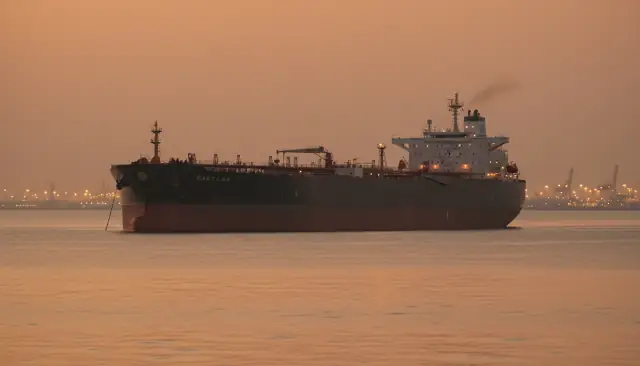
Letters of Credit for Commodity Imports: Types, Documents and Pitfalls
How sight and usance LCs, confirmation and SBLCs work for bulk petrochemical purchases, which documents banks check under UCP 600, and how to avoid discrepancies.
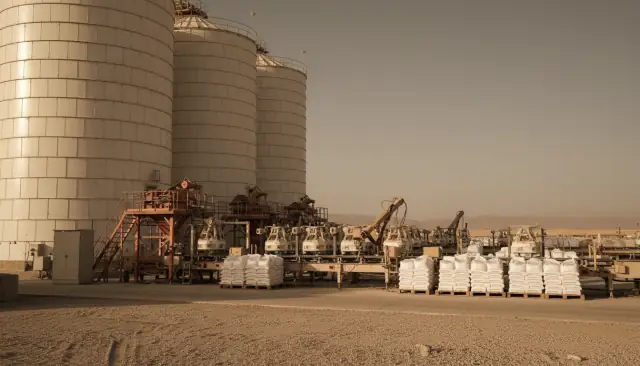
Polypropylene Grades Explained: Homopolymer, Random and Impact Copolymer
How to read polypropylene grades: homopolymer, random and impact copolymer, what melt flow index means for raffia, injection, fibre, film and thermoforming, and which additives matter.

Prilled vs Granular Urea: Which Grade to Buy and Why
Prilled and granular urea are both 46% nitrogen, but they differ in size, strength, caking and blending behaviour. Here is how to choose the right grade for your market and logistics.
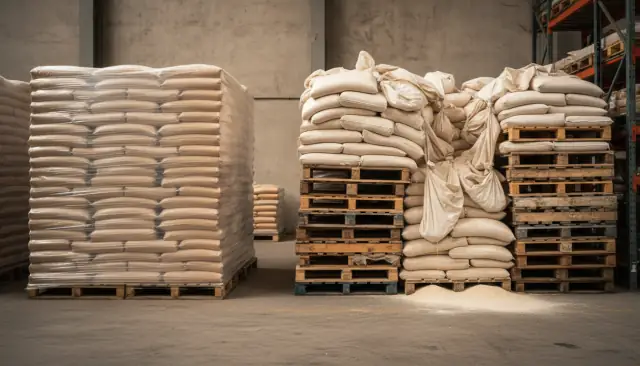
Prime vs Off-Grade Polymers: Definitions, Risks and Documents to Demand
Prime, near-prime, off-grade and wide-spec resin explained, with the risks of each, when off-grade makes sense, and the documents that protect you from re-bagged or blended material.

Quality Checks for Imported Polymer Resin: What to Test and When
A practical buyer's checklist for imported PE and PP resin: documents, bag markings, MFI, density, ash, moisture, gels and black specks, plus how to sample and what to do when results fail.

The Export Shipping Document Set for Petrochemicals, Explained
What each shipping document does, who issues it, how bill of lading types differ, and the errors that delay clearance and payment on petrochemical cargoes.

What Drives Middle East Bitumen Supply and Pricing: A Buyer's Guide
Why bitumen availability and price move, from refinery yields and residue economics to paving seasons, freight, packaging premiums and the timing of purchases.
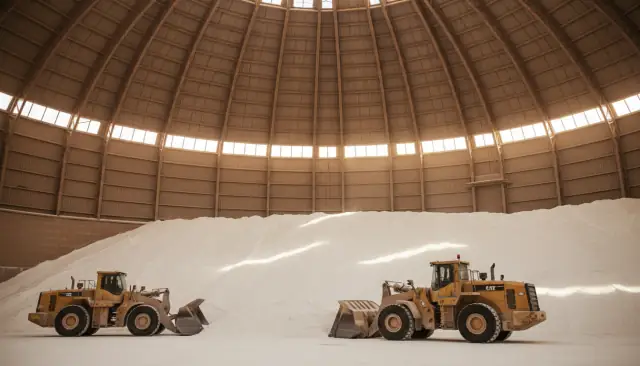
What Moves Urea Prices: Gas, Tenders, Export Policy, Freight and Seasons
A buyer's guide to the forces behind urea price swings, from natural gas costs and tender-driven demand to export policy, freight and seasonality, and how to read them without a forecast.

Suez or Cape: A Routing Guide for Petrochemical Buyers
How to compare Suez and Cape of Good Hope offers: routing clauses, ETA and laycan risk, war-risk insurance, who pays for a change of route, and how to read a delivered quote like for like.
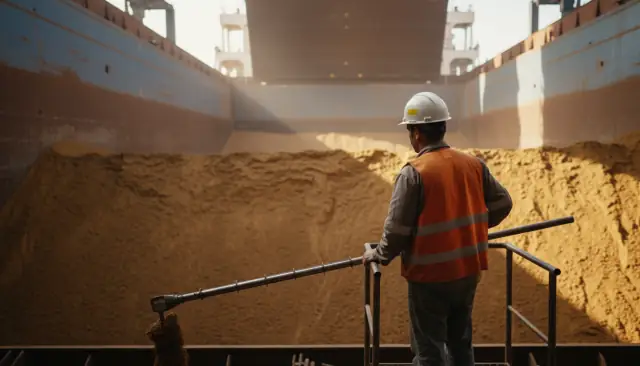
Pre-Shipment Inspection for Petrochemicals: What It Covers and Proves
What independent pre-shipment inspection covers, how sampling and sealed retained samples work, what a certificate does and does not prove, and how to write and verify it in your contract.
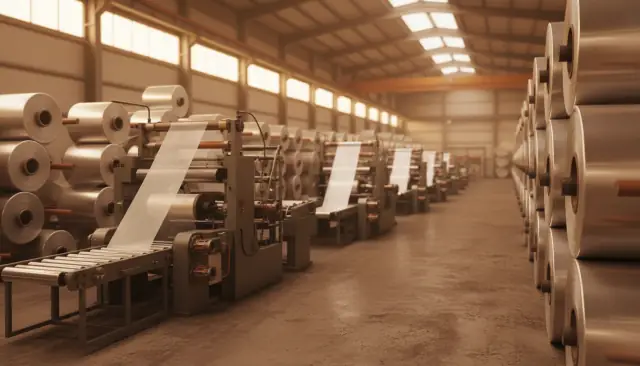
What Drives HDPE and PP Demand and Pricing in Asia: A Buyer's Guide
How end-use sectors, converter buying behaviour, feedstock routes and regional supply shape HDPE and polypropylene demand and prices in Asia, and how buyers can read the signals.

Buying Petrochemicals from Oman: Geography, Ports and What to Check
Why Oman's position outside the Strait of Hormuz and on the Arabian Sea matters to petrochemical buyers, how Sohar and Salalah differ, and what to check before buying from an Omani origin.