Bitumen Packaging and Transport: Drums, Bags, Flexitanks, ISO Tanks, Bulk
Compare steel drums, jumbo bags, flexitanks, ISO tanks and heated bulk vessels for bitumen: handling, reheating, losses and how to choose by your destination's infrastructure.
Choose bitumen packaging by what your destination can unload and reheat, not by the lowest freight number. Steel drums work almost anywhere because they need no heated terminal, bulk vessels are the cheapest way to move large volumes but need heated storage at the discharge port, and bags, flexitanks and ISO tanks sit between the two for buyers who lack bulk infrastructure but want to avoid drums.
Bitumen is unusual among petrochemicals. Paving grades are semi-solid at ambient temperature, so the cargo must either be kept hot in transit or packed so that it can be melted again later. Every option below is an answer to that single problem, and every option has its own handling cost, loss profile and failure mode. This guide sets out how each works, what to inspect, what goes wrong, and how to match packaging to the port, the road network and the plant at the other end.
Quick comparison
The table below summarises the options. Cost is described in relative terms only; actual numbers move with freight markets and are not something an evergreen guide can responsibly quote.
| Option | How it travels | Best for | Main drawbacks |
|---|---|---|---|
| Steel drums | Cold, in standard containers or break-bulk | Small and mid-sized lots; ports with no heated storage | Labour-intensive reheating, drum disposal, higher packaging cost per tonne |
| Jumbo bags / bitu-bags | Cold or warm, in containers | Buyers who want to avoid drums and can melt blocks | Needs a melting facility; bag film is a contaminant concern |
| Flexitanks (heated type) | Hot, in a container liner | Containerised bulk to buyers with heated discharge | Specialist equipment; limited availability; discharge needs heat |
| ISO tanks | Hot, in insulated tank containers | Mid-volume, door-to-door delivery with hot-unloading capacity | Tank availability, demurrage and repositioning, cleaning |
| Heated bulk vessel | Hot, in the ship's heated cargo tanks | Large, regular volumes to ports with bitumen terminals | Needs shore tanks, heating and a minimum parcel size |
Steel drums
How it works
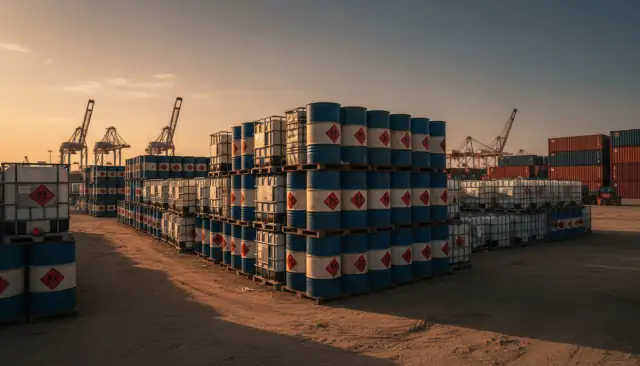
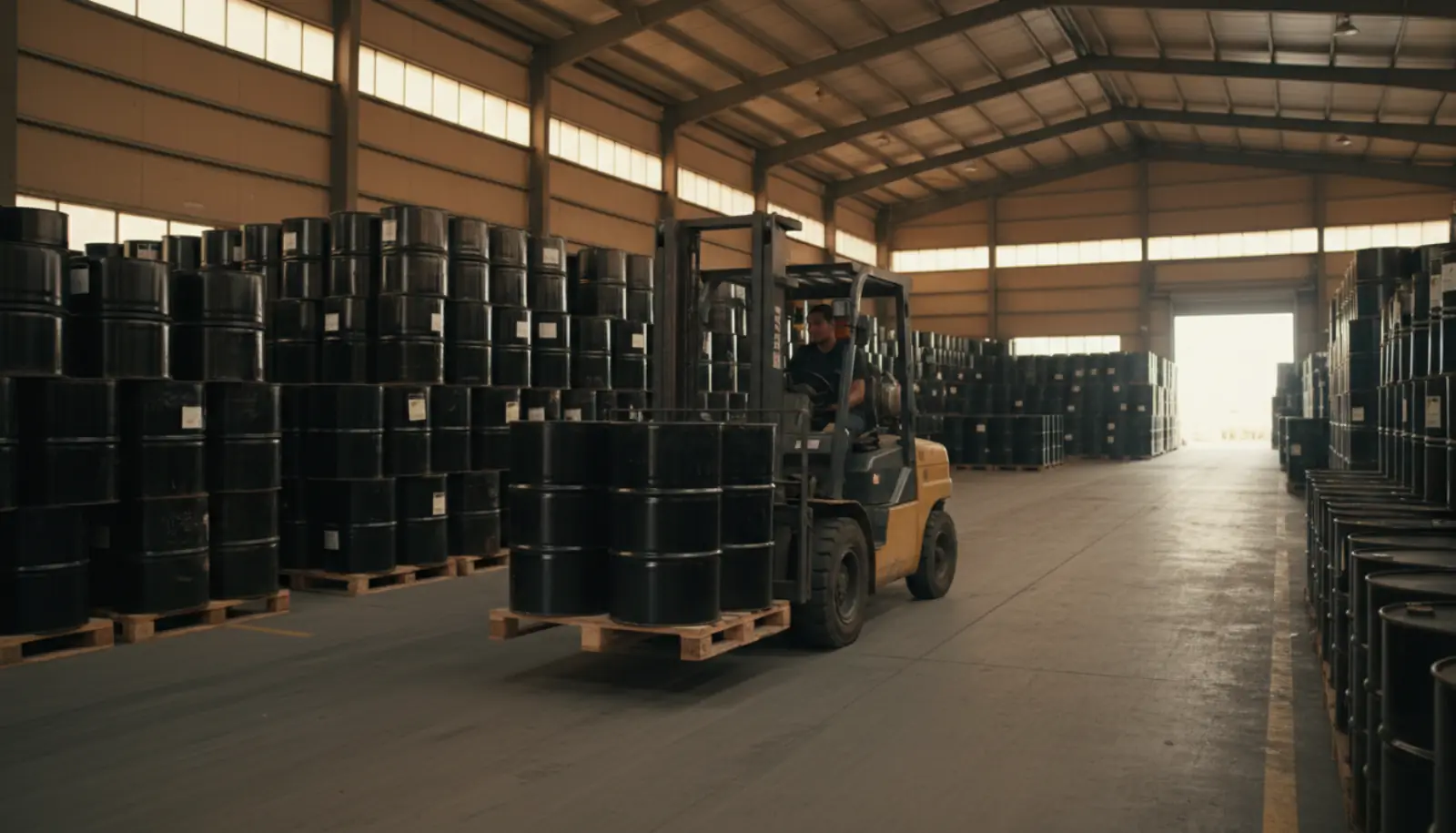
Hot bitumen is filled into steel drums, usually of about 200 litres, and allowed to cool and solidify. Net weights per drum vary with the drum and the fill, and commonly fall in the range of roughly 160 to 200 kg, so confirm the actual net weight per drum in the offer and on the packing list. Drums are then palletised or loaded floor-stacked into containers, or shipped break-bulk.
Why buyers choose them
- No heated infrastructure needed in transit. A drum is a solid block of cold bitumen. It can ride on any truck and sit in any yard.
- Flexible lot sizes. Drums suit small projects, trial orders, sprayer work, patching crews and distributors who sell on in small parcels.
Drawbacks and risks
- Reheating is slow and labour-intensive. Every drum must be heated, drained or cut, and the product transferred. A drum melter or heating chamber speeds this up; without one, crews improvise, and improvisation is where accidents and overheated bitumen come from.
- Packaging has to go somewhere. Empty drums are scrap steel with bitumen residue. Plan for their disposal or resale.
- Residue left in the drum is a loss. Even with good draining, a film of bitumen remains on the wall.
- Drum condition matters. Rust, dents, weak lids and poor seams cause leaks in transit, especially on long sea legs in hot ports where a drum can slump and weep.
- Handling cost per tonne is high. Forklifts, labour and loading time all add up. The saving on infrastructure is paid back in manpower.
What to inspect
When drums arrive at the port or at the loading point, check that the drums are intact and sealed, that the markings carry grade, batch number and net weight, and that the fill looks level. Photographs of the stuffed container and the closed doors, with the seal number visible, are a reasonable document to request. A pre-shipment inspector can verify drum count, condition and markings at loading.
Jumbo bags and bitu-bags
How it works
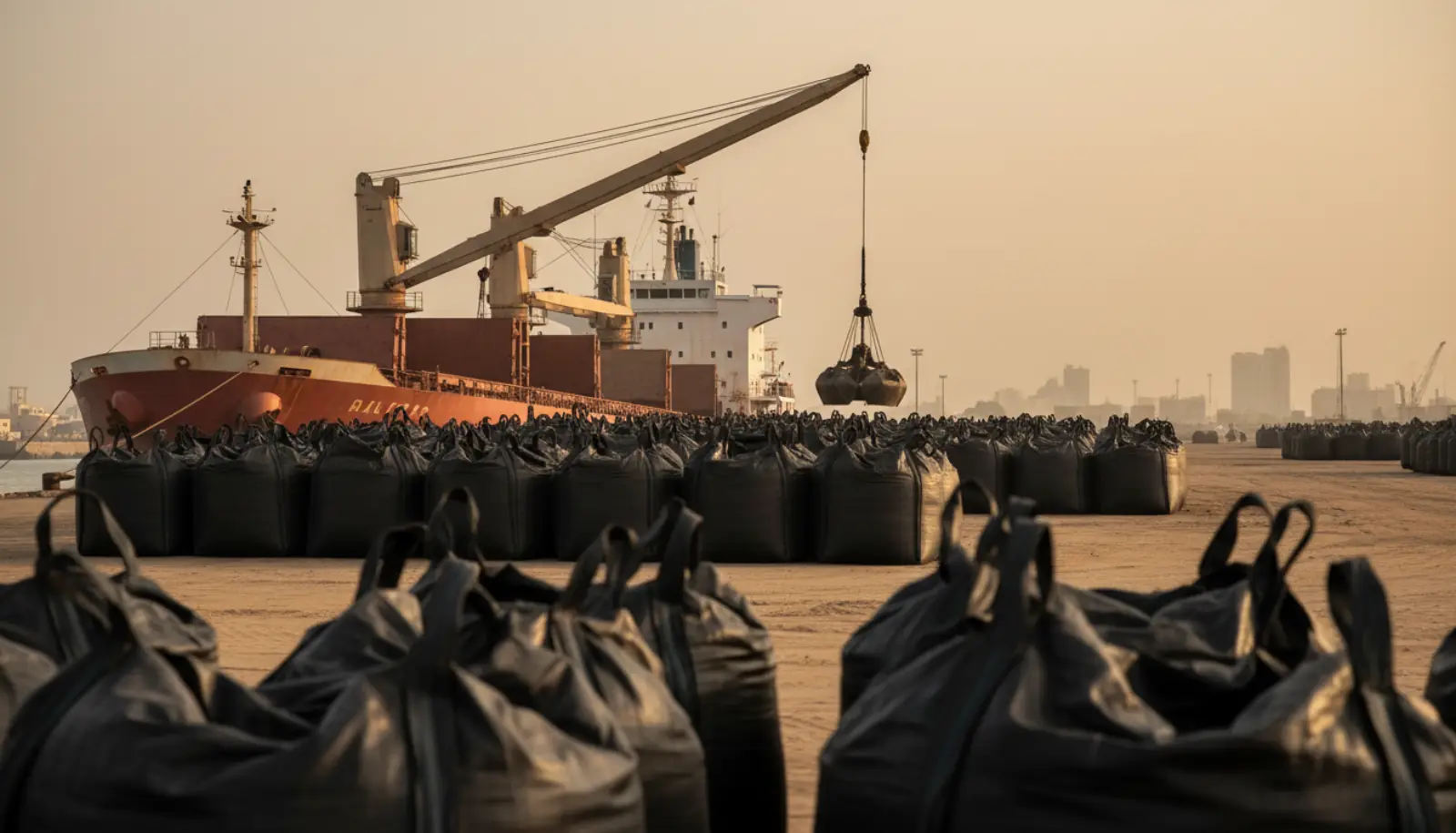
In this method, hot bitumen is filled into large flexible bags, or a bag liner sized for a container, and left to solidify into blocks. The bag or film is designed to be melted together with the bitumen at the destination. Names vary by supplier (jumbo bag, bitu-bag, bitubag and similar), as do the construction and the way the blocks are handled, so treat the label as a category rather than a standard.
Why buyers choose them
- No drums to dispose of. The packaging is intended to melt into the product rather than leave a pile of scrap.
- Container-friendly. The cargo goes in a normal container and is handled like any general cargo.
- Good for buyers with a melting plant. If your site already has equipment that can melt solid bitumen blocks, bags can be a clean option.
Drawbacks and risks
- You still need a melting facility. Blocks do not pour. You need a heated unit that can melt them in a controlled way. Without it, you have the drum problem in a different form.
- Bag film is a foreign material in your binder. Suppliers design the film to melt in, but a buyer working to a strict specification should ask for the film's composition and the supplier's data on its effect on the properties of the binder. Do not assume.
- Damage in handling. Bags and blocks can be punctured or deformed if loaded or lifted carelessly, particularly in warm conditions when the outer layer softens.
- Block deformation in heat. In hot ports and hot containers, large blocks can sag and press against the container walls. Ask how the loading plan manages this.
Flexitanks and flexibags: when they do and do not fit
A flexitank is a large flexible liner installed inside a 20-foot container to carry bulk liquid. For most chemicals, standard flexitanks are filled at ambient temperature and discharged by gravity or pump. That does not work for paving-grade bitumen, which would be a solid at ambient temperature.
For bitumen, the relevant product is a specialist, heated-type flexitank (sometimes sold as a bitumen flexibag). It is loaded hot, travels in the container, and has to be reheated to discharge. These systems exist, but availability varies by supplier and route, and they need a heating arrangement at the receiving end.
When a flexitank can make sense
- You buy in container-sized lots but have a heated unloading and storage facility.
- Your site cannot take drums economically and a tank container is not available on your lane.
- The route and the transit time are short enough to limit heat loss and thermal ageing.
When it does not
- No heating or hot-unloading capability at destination. A hot liner you cannot discharge is a liability, not a saving.
- Standard (unheated) flexitanks. These are not designed for bitumen. If a freight forwarder offers a standard flexitank for paving-grade bitumen, ask for written confirmation of suitability from the tank manufacturer.
- Very long or uncertain transit. Extended time in transit means the product is cooling and then needing reheating, and every heat cycle is an ageing step.
In short: a flexitank is a specialist option, not a default. Ask for the manufacturer's data, the loading procedure and the discharge procedure before agreeing to it, and be wary of any offer that treats bitumen like water.
ISO tank containers
How it works
An ISO tank is a cylindrical tank inside a standard-sized steel frame, insulated and fitted with heating coils so that bitumen can be loaded hot, kept fluid, and discharged hot. The frame fits standard container handling gear, so the tank moves on container ships, rail and trucks.
Why buyers choose them
- Door-to-door hot delivery of mid-sized lots without the need for a bulk terminal.
- Reusable equipment. No packaging waste.
Drawbacks and risks
- Availability and repositioning. Tanks must come back to a depot, and suitable heated tanks are not always available at every origin. Plan equipment early.
- Demurrage and detention. Because the tank is the supplier's or lessor's equipment, delays in unloading attract equipment charges. Agree free days and who bears the charge.
- Heating on arrival. The receiving site needs a heat source (steam, thermal oil or electric heating, depending on the tank) and trained staff. Confirm the tank's heating system type so that the site can connect to it.
- Cleaning and previous cargo. Tanks must be clean and previously carried a compatible product. Ask for a cleaning and last-cargo record.
Heated bulk vessels
How it works
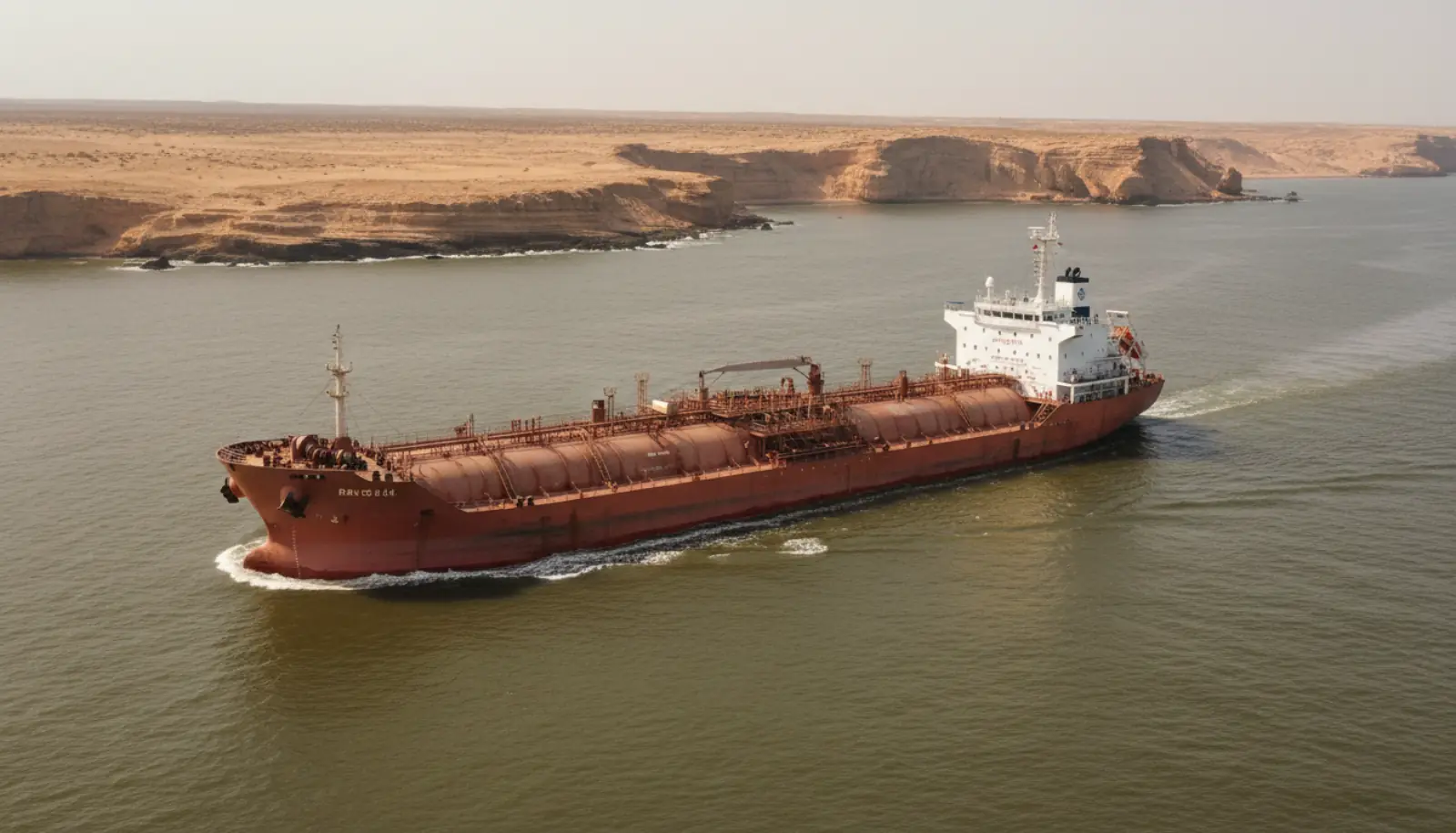
Bitumen carriers have insulated, heated cargo tanks, usually warmed by thermal oil, which keep the product liquid for the voyage. Cargo is pumped aboard hot at the load port and pumped out hot at the discharge port into heated shore tanks.
Why buyers choose them
- Lowest handling cost per tonne at scale. No packaging, no stuffing labour, no unpacking.
- Fast discharge. Pumping is quick compared with unloading hundreds of drums.
- Consistent quality control. Shore tank sampling and a vessel inspection give a clear chain of custody for the whole parcel.
Drawbacks and risks
- Needs the right terminal. The discharge port must have heated shore tanks, hot lines, and a berth that can take the vessel. Without them there is no bulk option.
- Minimum parcel size. Vessels need a viable parcel, so this suits importers with large or consolidated demand rather than occasional users.
- Temperature control throughout. Holding bitumen hot for a long voyage causes ageing, so voyage length and loading temperature matter. Ask for the loading temperature and the discharge temperature on the shipping documents.
Routing
For voyages from the Gulf region to South Asia, East Africa or Europe, the choice of route affects transit time and therefore the heating period on a bulk cargo. When we quote, we price Suez and Cape routing side by side so that the buyer can see the trade-off between distance, time and risk, rather than receiving a single number with the route hidden.
Reheating and handling at the destination
Packaging choice is also a handling choice. Whichever format you take, the cargo has to be brought back to a pumpable temperature without damaging it.
Rules for reheating
- Heat slowly and evenly. Localised overheating at a heating surface can degrade the bitumen in contact with it, while the bulk stays cold. Indirect heating (thermal oil or steam) is gentler than direct flame.
- Never exceed the supplier's recommended handling temperature. Prolonged storage at high temperature hardens bitumen by oxidation and loss of volatile components. Follow the temperature guidance for your grade and the equipment.
- Keep water out. Water trapped under or within hot bitumen turns to steam, expands violently and can cause foaming or boil-over. Drums with water inside, wet melter surfaces and rain-soaked blocks are classic causes of burns. Remove water first and heat gradually.
- Do not reheat repeatedly. Each cycle ages the binder. Plan the usage so that material is heated once and used.
- Use the right protective equipment and training. Hot bitumen causes severe burns. Site safety procedures and personal protective equipment are not optional.
Where losses come from
Losses are the least glamorous line in a landed-cost calculation and often the most underestimated. They fall into five groups.
- Residue in the container. Drums, liners and bags leave residue behind. Draining time and temperature matter.
- Leakage and spillage. Damaged drums, split bags and valve leaks during transfer.
- Contamination. Water, dust, previous cargo in a tank, or bag film.
- Quality loss from overheating. Not a weight loss, but an off-specification binder is a loss of value. If penetration drops or softening point rises beyond limits through excessive heat, the batch may no longer comply.
- Measurement differences. Hot bitumen is measured by volume at one temperature and sold by weight, and tare weights of packaging differ. Agree up front which weight governs: a bill of lading weight, a shore tank measurement or an inspector's certified figure.
The remedy is the same in every case: define the measurement basis in the contract, appoint an independent inspector where the value justifies it, and do not rely on informal tolerances.
Choosing by destination infrastructure
Work backwards from the destination. Four questions decide most cases.
1. Is there a heated bitumen terminal in your port?
If yes, bulk vessel is the first option to price when your volumes justify a parcel. If no, bulk is not on the table unless you are building one.
2. Do you have a melting or hot-unloading capability on site?
- Hot-unloading capability (steam, thermal oil, electric heating): ISO tanks and heated flexitanks become viable.
- Block-melting capability: bags are viable.
- Neither: drums, because they are the most forgiving of weak infrastructure, although you will need drum-handling equipment and a plan for the empties.
3. What can the last mile carry?
Inland haulage constraints, such as roads, axle limits, and container handling at the receiving site, rule out some options. A tank container needs a suitable chassis and a site that can receive it. Drums can be handled with forklifts and smaller trucks.
4. How often and how much?
- Occasional, small lots: drums.
- Regular container-sized lots with hot-unloading: ISO tanks or heated flexitanks.
- Large and regular volumes to a bitumen port: bulk.
If your answer is split (a depot with bulk storage and satellite sites with none), you may combine formats: bulk to the depot, then drums or tank trucks to the sites.
A decision rule
Price at least two options on a landed, ready-to-use basis. Include freight, packaging, inspection, port charges, inland haulage, reheating cost, and an allowance for losses. A drum can be the cheapest delivered option for a small buyer and the most expensive for a large one, and the ranking changes as volume changes.
Documents and regulatory points
- Transport classification. Bitumen shipped hot, at or above a temperature threshold set in the dangerous goods rules, can fall under a classification for elevated-temperature liquids (UN 3257 is the number commonly used for this). Cold, solid bitumen in drums is generally treated differently. The carrier decides how it will be treated on its vessel, so confirm the classification for your shipment with the carrier and your forwarder.
- Safety data sheet. Ask for a current SDS for the grade.
- Bill of lading and packing list. These should show the net weight, the grade, the number of units and, for hot cargoes, the loading temperature.
- Certificate of analysis. It should reference the batch loaded. For what it should contain, see bitumen quality tests.
- Inspection. Chemineral offers SGS or Intertek pre-shipment inspection, which can cover quantity, packaging condition and sampling.
What to state in your RFQ
State the grade (see bitumen grades explained), the quantity and tolerance, the packaging you want and your fallback alternative, the destination port and unloading capability, and the measurement basis. Our two paving grades are listed at Bitumen 60/70 and Bitumen 85/100. If you are unsure whether to ask for drums or something else, say so, and give us your unloading set-up so we can price the sensible options for you.
Frequently asked questions
Can I ship bitumen in a standard flexitank?
Not safely, if the bitumen is a paving grade that is solid or semi-solid at ambient temperature. A standard flexitank is not designed to carry or discharge it. A specialist heated type is needed, and you should obtain the manufacturer's written confirmation of suitability and discharge procedure before agreeing to it.
Are drums or bulk cheaper?
It depends on volume and infrastructure. Bulk typically has the lower handling cost per tonne but needs a heated terminal and a viable parcel size. Drums avoid infrastructure but add packaging and labour. Compare landed, ready-to-use cost, including losses and disposal, not freight alone.
How do I reheat bitumen from drums safely?
Heat slowly and evenly using an indirect heat source, keep water out of the drum and the melter, stay within the temperature limit for your grade, and avoid repeated heating cycles. Make sure the crew is trained and has protective equipment. Hot bitumen and trapped water are a dangerous combination.
What is a bitu-bag, and does the bag affect the bitumen?
It is a flexible bag or liner in which hot bitumen solidifies, designed to melt into the product at destination. The film is a foreign material, so ask the supplier for its composition and for data on its effect on your binder if you work to a strict specification.
Who is responsible for quantity disputes?
Whoever the contract says. Agree the governing measure (bill of lading weight, shore tank measurement or inspector's certified figure) in advance and, for significant value, appoint an independent inspector so the figures are not contested after discharge.
Do I need an ISO tank or a bulk vessel for small volumes?
Usually not. Small and occasional volumes are generally best served by drums unless you have hot-unloading equipment and a regular flow to justify tank containers.
Tell us about your port and plant
Send your grade, quantity, destination port and a note on what you can unload and reheat to the Chemineral trade desk through our contact page. We will quote the practical packaging options for your site, with firm offers valid for 72 hours and Suez and Cape routing priced side by side.
Our trade desk can turn the views in this report into firm offers on today's indicative prices — valid 72 hours, with complete documentation.
Request a quote