Pre-Shipment Inspection for Petrochemicals: What It Covers and Proves
What independent pre-shipment inspection covers, how sampling and sealed retained samples work, what a certificate does and does not prove, and how to write and verify it in your contract.
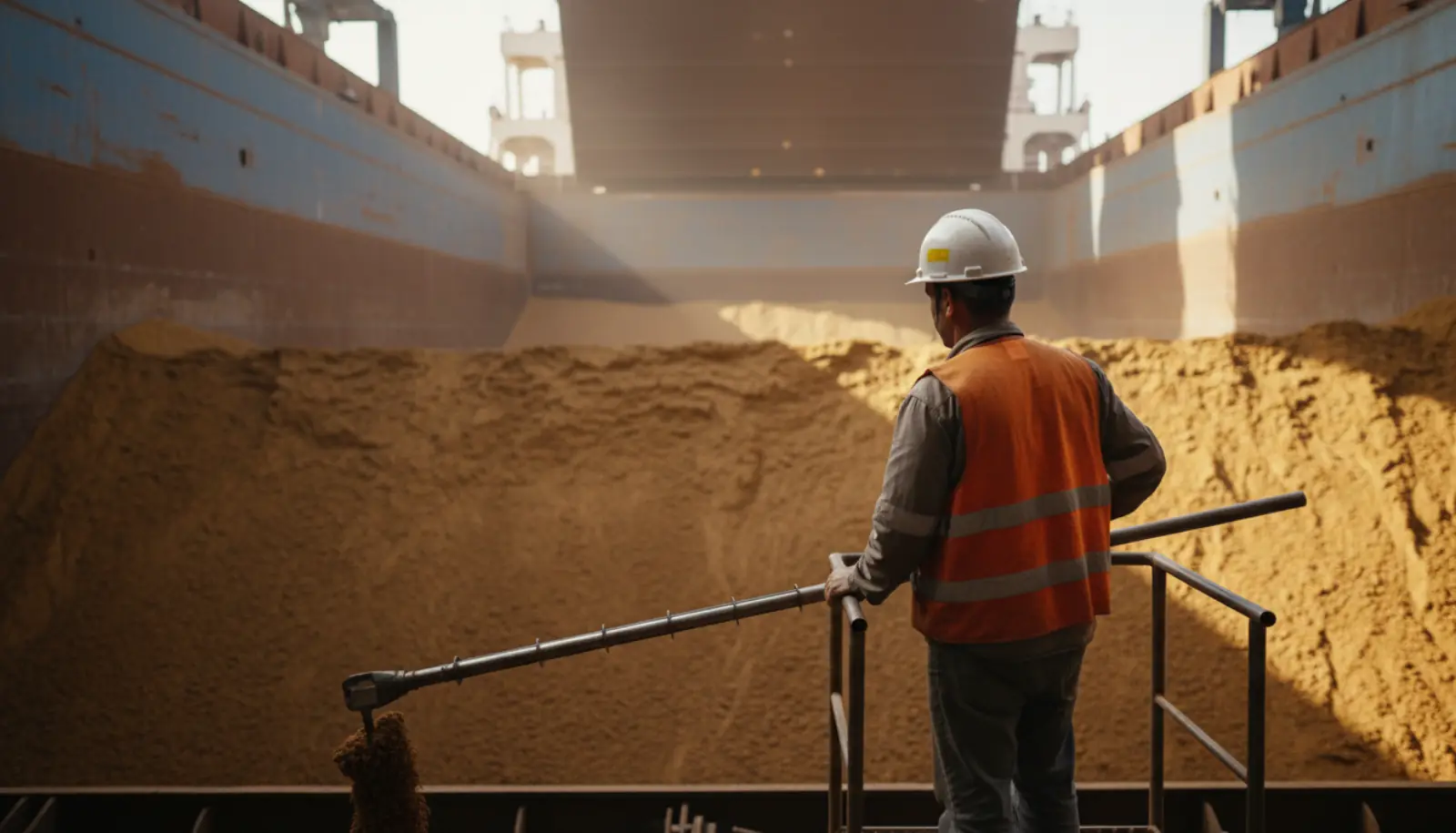
An independent pre-shipment inspection certificate is evidence that a named inspector drew samples and measured quantity at a stated place and time, using stated methods, and found stated results. It is not a guarantee that the goods are fit for your purpose, and it says nothing about what happens to the cargo after the inspector leaves. Its value depends almost entirely on what the contract told the inspector to do, so the buyer's work is in the wording.
This guide explains what pre-shipment inspection (PSI) covers, how sampling and sealed retained samples work, what a certificate can and cannot prove, how to specify inspection in a contract, and how to verify that a certificate is genuine. It is general guidance. Inspection companies are independent commercial service providers, and a certificate shows only that they carried out the work described on it. Their name on a document is not an endorsement of the seller, the product or the transaction.
What a pre-shipment inspection actually is
Pre-shipment inspection is a service performed by an independent third party, engaged by the buyer, the seller or both, to check goods before they leave the loading port. Independent means the inspector is not owned by, or paid on results by, either party. The inspector reports facts against instructions. It does not decide whether the deal is good.
Chemineral can arrange SGS or Intertek pre-shipment inspection for buyers who want it. Those are two international inspection and testing companies. Naming a company in a contract does not make the contract or the cargo better by itself. The scope, methods and specification do that.
Inspection usually comes in several parts. Not every shipment needs all of them.
| Component | What the inspector does | Typical output |
|---|---|---|
| Quality | Draws samples under a stated procedure, has them tested against the contract specification | Certificate of analysis or quality certificate |
| Quantity | Measures the cargo by shore tank gauging, weighbridge, draft survey or tally, depending on the cargo | Quantity or weight certificate |
| Loading supervision | Attends loading, checks that the cargo goes into the named vessel or containers | Supervision or loading report |
| Cleanliness | Checks that tanks, holds or containers are clean and suitable before loading | Tank or hold inspection report |
| Packing and marking | Checks bags, drums or containers against the contract, including labels and seals | Packing inspection report |
| Temperature | For heated cargoes such as bitumen, records loading temperatures | Temperature log in the report |
Ask which of these are included in the quoted fee. A "quality certificate" with no quantity or loading evidence covers only one part of the risk.

The risks inspection addresses
Think about which failure you are trying to prevent. Each maps to a component.
- Off-specification or contaminated product. Quality testing, tank or hold cleanliness checks and supervision of loading.
- Short loading. Quantity measurement and loading supervision.
- Damaged or mislabelled packaging. Packing and marking inspection.
- Disputes about what was shipped. Sealed retained samples and signed records.
- Documents that do not match the goods. Cross-checking the certificate numbers, dates, quantities and descriptions against the other shipping documents.
Inspection is weaker against problems that occur after loading, such as contamination in transit, caking from moisture, or heat damage. It can record the condition at loading, which is useful evidence, but it cannot see the voyage.
Sampling: where quality evidence starts
A laboratory test only tells you about the sample. If the sample is not representative of the cargo, the result is not representative either. Sampling is therefore the step where most of the quality risk sits, and the one buyers most often leave unspecified.
Principles
- Representative. The sample should reflect the whole cargo. For liquids and bulk solids, that usually means taking several portions at defined points or intervals and combining them, according to a recognised standard.
- Recognised method. Name the sampling standard in the contract. For petroleum liquids and similar products, common references include API MPMS Chapter 8 and ISO 3170. For bitumen, ASTM D140 is a commonly used sampling practice. For solids such as fertiliser, sulphur and polymer, the relevant ISO or national sampling method depends on the product and form. Ask the inspector to state which one it uses and put that on the certificate.
- Witnessed. The inspector should draw the samples, or watch them being drawn, not receive them from the seller.
- At the right point. Samples from a shore tank before loading, from the loading line during loading, or from the ship's tanks after loading can give different answers. The contract should say which point controls.
- Sealed and labelled. Each sample container carries a unique identification and a seal, and the numbers are recorded on the report.
Composite, spot and running samples
Samples can be taken as spot samples at one moment, or as running or composite samples built up through the loading. Composite sampling averages the cargo and suits a contract that is about average quality. Separate sub-lot samples show variation between parts of the cargo, which matters when contamination in one part is the concern. Which is better depends on the product and the risk, so decide in advance and write it down. A composite can hide a problem that sub-lot samples would reveal, and sub-lot samples can raise disputes about which result controls. State which result is the contract result.
Product-specific points
- Bitumen. Samples must be taken and handled so that heat history does not change the result, and the temperature at loading should be recorded. See our bitumen quality tests guide for the parameters that matter.
- Urea and other fertilisers. Moisture, particle size and caking depend on handling, so note the condition of the cargo and the storage before loading.
- Polymers. Sampling usually draws from a defined number of bags or silos, and the grade, lot number and melt-flow data should be recorded.
- Caustic soda, base oil and other liquids. Concentration or grade, impurities, and the cleanliness of the tank and the previous cargo are key checks.
Sealed retained samples
A retained sample is a portion kept so that a later dispute can be tested against the original material. It is the most useful practical protection a buyer has, and the cheapest to add.
How it normally works:
- The inspector draws a set of samples, splits them into several identical sealed containers, and records the seal numbers.
- One set goes with or to the seller, one goes to the buyer, and one stays with the inspector or a laboratory as a neutral reference. In some deals, a further set is held for an umpire.
- If the buyer reports a problem, the retained sample is tested, in the way the contract specifies, to see whether the problem was in the cargo at loading.
Write the following into the contract:
- the number of sample sets and who holds each;
- the size of each sample, which must be enough for the full range of tests plus a repeat;
- the retention period, which should be at least as long as your claim window and the time your customers may take to use the product;
- storage conditions, since some products change with time, light, heat or moisture;
- how a retained sample is opened: who attends, how the seals are checked, which laboratory tests it and who pays;
- which result decides a dispute, such as the umpire laboratory's result, and whether it is final.
Make sure retained samples are held by someone neutral, not only in the seller's warehouse. A sample the seller controls is weaker evidence than one the inspector controls.
Specification: the instruction that matters most
An inspector tests what it is told to test, against the limits it is given. If the contract names only "standard specification" or "typical quality", the inspector has nothing precise to check against.
- Put the specification in the contract. List each parameter, the test method, the limit and whether it is a maximum, a minimum or a range.
- Use your own requirements, not defaults. If your application needs a tighter limit than the producer's usual specification, say so in the contract before shipment.
- Specify the test method for each parameter. Different methods give different numbers. The same property measured by two methods may not agree.
- State tolerances and reproducibility. Test methods have their own precision. Decide how a result close to a limit is treated.
- Say which parameters are guaranteed and which are for information only. Typical-value columns on a producer's data sheet are not guarantees.
What a certificate proves, and what it does not
This is the point most often misunderstood, and the one that settles disputes.
What a certificate can prove
- The named inspector issued it, if you verify it with them.
- Samples were drawn by the stated method, at the stated place and time, from the stated lot or tank.
- Those samples gave the stated results when tested by the stated methods.
- The stated quantity was measured by the stated method at the time of loading.
- The sample containers carried the recorded seal numbers.
- The cargo was loaded into the stated vessel, tank or container, where loading was supervised.
What it does not prove
- That the whole cargo matches the sample. Sampling reduces this risk, but it does not remove it.
- That the cargo is fit for your use. A product can meet its specification and still be wrong for your process if the specification did not include a parameter that matters to you.
- That the product stayed the same after loading. Moisture uptake, contamination, heat damage and caking happen later.
- That the quantity at discharge will match. Measurement methods differ, and the loading figure and outturn figure may not agree. Our draft survey guide shows how those differences are handled.
- That the seller is reputable. A real certificate can sit alongside a bad deal. See our supplier verification guide.
- That the inspector approves the transaction. The inspector reports on the work it did and nothing else.
- That any part of the certificate it was not instructed to cover was checked. If the scope excluded a parameter, a clean certificate says nothing about it.
Producer certificates versus independent ones
A producer's certificate of analysis is a record of the producer's own testing. It is useful and normally accompanies the cargo. It is not independent evidence. For a bank, a buyer's customer or a claim, an independent certificate carries more weight, because its issuer has no stake in the outcome. Ask for both, and compare them: unexplained differences between the producer's and the inspector's results are worth a conversation before the vessel sails.
How to specify inspection in a contract
Use this checklist when drafting or reviewing the clause.
- Name the inspector, and say whether it is the buyer's choice, the seller's choice or agreed jointly. For a common arrangement, name a specific company, "SGS or Intertek", or another internationally recognised independent inspector agreed in writing.
- State who pays, and whether either party may appoint an additional inspector at its own cost.
- Define the scope: quality, quantity, loading supervision, cleanliness, packing, seals, temperature.
- Fix the timing: at the loading port, during loading, with notice to the buyer of the date so a representative can attend.
- Specify the sampling method and point, and the number of sample sets, sizes and retention period.
- Attach the specification and test methods.
- Say what documents are required: the certificate or certificates, the sampling report, the seal list, and copies for the bank if payment is by letter of credit.
- Say what the certificate does contractually. Is it "final and binding" at the loading port, or open to challenge at discharge? Each option shifts risk.
- Provide a dispute route: an umpire laboratory, the method of testing, who pays and the time limits for claims.
- Cover failure: if the certificate shows off-specification results, can the buyer reject the cargo, claim a price adjustment, or require re-inspection?
"Final and binding" clauses
Many sales contracts make the load-port inspection final. That favours the seller, because the buyer cannot dispute it later except for fraud or manifest error. The alternative is to treat the certificate as evidence only, with a right to test at discharge. Another option is a split: load-port quality is final, while discharge-port weights decide quantity, or the reverse. Choose deliberately and consider the effect on payment terms. If you are paying by letter of credit, the inspection certificate is also a document the bank will check, and our letter of credit guide explains how the named issuer and the wording must match.
Verifying a certificate
Forged and altered certificates exist in commodity trade. Treat verification as a normal step, not an accusation.
- Use contact details you find yourself. Do not call the number printed on the certificate or the one supplied by the seller. Find the inspector's office through its official website or another route you trust.
- Check whether the issuer offers an online verification service. Many inspection companies provide one, using the certificate number and a code or QR code. If it exists, use it.
- Otherwise write to the issuing office. Send the certificate number, date, product, quantity and vessel, and ask them to confirm they issued it and that the content matches their records.
- Check consistency across documents. The product description, quantity, vessel name, port, dates, parties and lot numbers should agree with the invoice, bill of lading and packing list.
- Check the office and the date. The issuing office should be in the country and port of loading, and the sampling date should fall in the loading period.
- Look for signs of alteration. Uneven fonts, misaligned fields, inconsistent formatting, missing signatures or reference numbers, photographs of pages, or results that look too perfect against the limits.
- Ask for the sampling report and seal numbers, not only the summary certificate.
If the issuer cannot confirm the certificate, stop the transaction and do not release payment until the position is clear.
A practical sequence for a shipment
- Agree the specification and inspection clause before the contract is signed.
- Confirm the inspector's appointment and scope in writing.
- Receive notice of the inspection date and decide whether to send a representative.
- Check tank, hold or container cleanliness before loading starts.
- Witness sampling, or review the sampling report.
- Receive the certificates and compare them with the contract specification line by line.
- Verify the certificates with the issuer.
- Make payment in line with the contract, and keep your own samples and records until your claim window has closed.
Frequently asked questions
Does an SGS or Intertek certificate guarantee the quality of my cargo?
No. It shows what the inspector sampled, measured and found at the time. It does not guarantee the whole cargo, and it does not cover what happens after loading. The value depends on the scope, sampling method and specification in the contract.
Who should pay for pre-shipment inspection?
That is a commercial term. Often the buyer appoints and pays, or the seller pays as part of the price, or the cost is shared. Whoever pays, the contract should require the inspector to report to both parties.
How long should retained samples be kept?
Long enough to cover your claim window and the period in which your customers might use or resell the product. The contract should state the period, who holds each set and how the samples are stored, so that they remain valid evidence.
Can I appoint my own inspector in addition?
You can, if the contract allows. Many contracts allow either party to appoint a second inspector at its own cost. The contract should say which result controls if the two disagree, or name an umpire laboratory.
How do I check that a certificate is real?
Contact the issuing office using details you find independently, use any online verification service the issuer provides, and cross-check the certificate against the other shipping documents. If the issuer cannot confirm it, do not rely on it.
What if the certificate says the cargo is on specification and my laboratory disagrees?
First check that the sample is from the same lot, was handled properly and was tested by the same method. Then compare results within the method's precision. If a real difference remains, follow the contract's dispute procedure, which should include testing the retained sample at an agreed umpire laboratory.
Next step
If you are planning a purchase from Sohar or Salalah and want to agree the specification, sampling, sealed retained samples and inspection scope before you sign, send your product, quantity and requirements through our contact page. Chemineral can arrange SGS or Intertek pre-shipment inspection, and firm offers are valid for 72 hours.
Our trade desk can turn the views in this report into firm offers on today's indicative prices — valid 72 hours, with complete documentation.
Request a quote