Activated Carbon Selection Guide: Raw Material, Form and Key Specifications
Coconut shell, coal or wood; powder, granules or pellets. Learn how iodine number, methylene blue, ash, hardness and mesh size should drive your purchase for water, gold, air or food.
Choose activated carbon by application first, then by raw material, then by form, and only then by the numbers on the specification sheet. Coconut shell carbon suits applications that demand hardness and small-molecule adsorption, such as gold recovery and dechlorination. Coal-based carbon is the economical workhorse for general water and wastewater treatment and, as pellets, for air and gas. Wood-based carbon, usually powdered and often chemically activated, suits decolourising liquids. Iodine number alone is a poor basis for buying; hardness, ash, moisture, particle size and the adsorbate you are targeting matter just as much.
This guide is for buyers and technical teams who purchase activated carbon in bulk and need to compare offers sensibly. It explains what each raw material and form does well, what each specification line means, and how to match carbon to water treatment, gold recovery, air purification and food processing. Details of our range are on the activated carbon product page.
What activated carbon does
Activated carbon is a carbonaceous material that has been processed to develop a very large internal surface area made up of pores. Molecules in a liquid or gas stick to that surface (adsorption) and are removed from the stream. How well it works for a given contaminant depends on the pore size distribution relative to the size of the molecule, the surface chemistry and the physical properties of the particles.
- Micropores (the smallest) capture small molecules such as chlorine, many solvents and small taste-and-odour compounds.
- Mesopores (intermediate) capture larger molecules such as dyes, colour bodies and many organic compounds from process liquids.
- Macropores act mainly as transport channels into the particle.
The raw material and the activation process (steam or chemical) determine the balance between these pore types. That balance is the reason one carbon works well in one application and badly in another, even if the headline numbers look similar.
Raw materials: coconut shell, coal and wood
Coconut shell
- Pore structure: predominantly microporous.
- Hardness: high, which means low breakage and dust in applications with abrasion, such as carbon-in-pulp circuits.
- Ash: typically low compared with coal-based carbon.
- Best for: gold recovery, dechlorination and removal of small organic molecules in water, many gas-phase uses, and applications where low dust and high hardness are valued.
- Watch for: variation between suppliers in the shell source, activation process and consistency. Ask about the origin of the shell and the activation method.
Coal-based (bituminous, anthracite and lignite)
- Pore structure: a mix of micro-, meso- and macropores, so it is more versatile for larger molecules.
- Hardness: generally good, particularly in extruded or reagglomerated products.
- Ash: higher than coconut shell, with variation by coal type and whether the product is acid washed.
- Best for: general drinking-water filtration and industrial water, wastewater, groundwater remediation, and, in pelletised form, air and gas treatment.
- Watch for: ash and soluble impurities, which matter in food and potable-water applications.
Wood-based
- Pore structure: more mesoporous and macroporous, typically with a high adsorption capacity for larger colour molecules.
- Activation: often chemical (for example with phosphoric acid), though steam activation is also used.
- Form: most commonly powdered, though granular and pelletised products exist.
- Best for: decolourising sugar, glycerine, chemicals, pharmaceuticals and beverages, and for seasonal taste-and-odour control in water.
- Watch for: lower hardness and higher dust, which make it unsuitable for demanding granular duties such as gold recovery.
Other sources
Peat, olive stones, fruit stones and other biomass are also used. The same rule applies: ask for the pore data, the application references and the specification, rather than relying on the raw-material label.
Forms: powdered, granular and pelletised
Powdered activated carbon (PAC)
PAC is generally defined as particles finer than about 80 mesh (0.18 mm). Its small particle size gives fast adsorption kinetics because the contaminant has a short distance to travel into the particle.
- Used for: dosing into water or process liquids, followed by filtration or settling; decolourising; seasonal taste-and-odour episodes in water treatment; batch treatment.
- Advantages: low capital cost, flexible dosing, quick response.
- Limitations: generally used once and discarded or burnt, creates dust, and can be hard to remove from treated liquid without good filtration.
Granular activated carbon (GAC)
GAC is crushed and screened to a defined mesh range (for example 8x30, 12x40 or 6x12, depending on duty). It is used in fixed beds and columns, and in agitated tanks in gold processing.
- Used for: filter beds for drinking water, industrial water and wastewater; gold recovery; gas-phase adsorbers; thermal reactivation and reuse.
- Advantages: can be regenerated, low pressure drop compared with powder, and the material stays in the bed.
- Limitations: slower kinetics than powder, so contact time (empty bed contact time) must be designed properly.
Pelletised (extruded) activated carbon
Pelletised carbon is made by extruding a carbon paste into cylindrical pellets, commonly a few millimetres in diameter, then activating them. The uniform shape gives low pressure drop, low dust and high mechanical strength.
- Used for: air and gas treatment, solvent recovery, odour control and, in impregnated form, removal of specific gases such as hydrogen sulphide.
- Advantages: minimal dust, uniform flow, high strength.
- Limitations: usually coal-based, and generally sold at a premium to crushed granular carbon.
Key specifications and what they mean
The specification sheet is where offers become comparable. Test methods differ between standards, so always ask which method and which basis (as received or dry) are used for each figure.
Iodine number
Iodine number is the amount of iodine (in mg) adsorbed per gram of carbon under defined conditions. A common reference method is ASTM D4607. It correlates with the micropore volume available for small molecules.
- Higher iodine number generally indicates more micropore capacity.
- It does not tell you about larger-molecule adsorption, hardness or ash.
- Buying rule: specify a minimum and compare offers on the same method. A higher iodine number does not always mean better performance for your adsorbate.
Methylene blue value
Methylene blue is a larger molecule than iodine, so its adsorption indicates mesopore capacity and the ability to remove colour and larger organics. It is reported in mg/g or, in some standards, in ml per 0.1 g. Check the unit before comparing offers, because the two are not interchangeable.
For decolourising sugar and liquids, a molasses number or similar test is also used, since the target molecules are larger still.
Ash content
Ash is the inorganic residue after burning the carbon, usually measured to a standard method (for example ASTM D2866). Lower ash generally means fewer soluble minerals leaching into the treated stream.
- Low ash matters for potable water, food, pharmaceutical and high-purity applications.
- Acid-washed grades have reduced ash and soluble metals.
- Coconut shell is typically lowest in ash, and coal-based grades higher unless acid washed.
Moisture
Moisture is the water content of the carbon as packed. Common sale specifications set a maximum, often quoted at a single-digit percentage, but you should check the basis. Moisture reduces the active carbon you receive per tonne, and carbon with high moisture can corrode packaging and cake. Compare prices on a dry-carbon basis if offers state different moisture limits.
Hardness (abrasion resistance)
Hardness indicates how well the particles survive handling, backwashing, pumping and agitation. A common method is ball-pan hardness (for example ASTM D3802). It is quoted as a percentage or number, and higher is better.
- Critical for: gold recovery, where carbon is agitated and moved between tanks, and for backwashed filter beds.
- Less critical for: powdered carbon, where breakage is irrelevant.
Particle size and mesh
Mesh size describes the range of sieve openings the granules pass and are retained on. A "6x12" carbon passes a 6-mesh sieve and is retained on a 12-mesh sieve. Specifications usually include the permitted percentages of oversize and undersize, and fines.
- Coarser particles give lower pressure drop and slower kinetics.
- Finer particles give faster adsorption but higher pressure drop and more difficulty in separation.
- For powders, ask for particle size distribution, typically expressed as percent passing a certain sieve or as a median particle diameter.
Apparent density
Bulk density (for example ASTM D2854) tells you how many kilograms of carbon fit in a given volume. It matters for loading filters and for comparing offers: a lower-density carbon costs more per litre of bed volume if you buy by weight.
Other tests you may see
- pH of an aqueous extract, relevant for pH-sensitive processes.
- Carbon tetrachloride (CTC) or butane activity for gas-phase carbons, which indicates capacity for organic vapours.
- Total surface area (BET) as a general indication of porosity.
- Application-specific activity tests, such as gold-loading tests or dechlorination half-value length, where relevant.
Matching carbon to application
| Application | Typical carbon | Priority specifications |
|---|---|---|
| Drinking water filtration | Coal-based or coconut GAC, or PAC for seasonal dosing | Ash, soluble impurities, compliance with the potable-water standard you must meet, iodine and methylene blue for the target contaminants |
| Dechlorination | Coconut shell GAC | Hardness, iodine number, particle size |
| Wastewater and industrial effluent | Coal-based GAC or PAC | Methylene blue, mesh size, cost per treated volume |
| Gold recovery (CIP/CIL) | Coconut shell GAC, commonly in a coarse mesh | Hardness, activity, mesh size, low fines |
| Air and gas treatment | Pelletised coal-based, often impregnated | CTC or butane activity, pellet diameter, hardness, dust |
| Sugar, glycerine, chemicals, beverages | Powdered wood-based or acid-washed coal | Methylene blue or molasses number, ash, filterability, food-grade documentation |
Water treatment
For potable water, compliance comes first. Ask whether the carbon meets the standard your regulator or customer requires, such as the relevant European (EN 12903 for powdered and EN 12915 for granular) or national drinking-water carbon standards, and request test reports for extractables and soluble impurities. Within compliant products, choose coconut shell where you need small-molecule removal and dechlorination, and coal-based where broader organics are the target.
For industrial wastewater, a pilot test or isotherm test on your actual water is worth far more than any specification line. Contaminant mix, concentration and competing compounds change performance dramatically.
Decision rules:
- If the target is chlorine, tastes or small organics, start with coconut shell GAC.
- If the target is a range of organics including larger molecules, start with coal-based GAC or PAC.
- If the problem is seasonal or intermittent, PAC dosing avoids the capital cost of a fixed bed.
Gold recovery
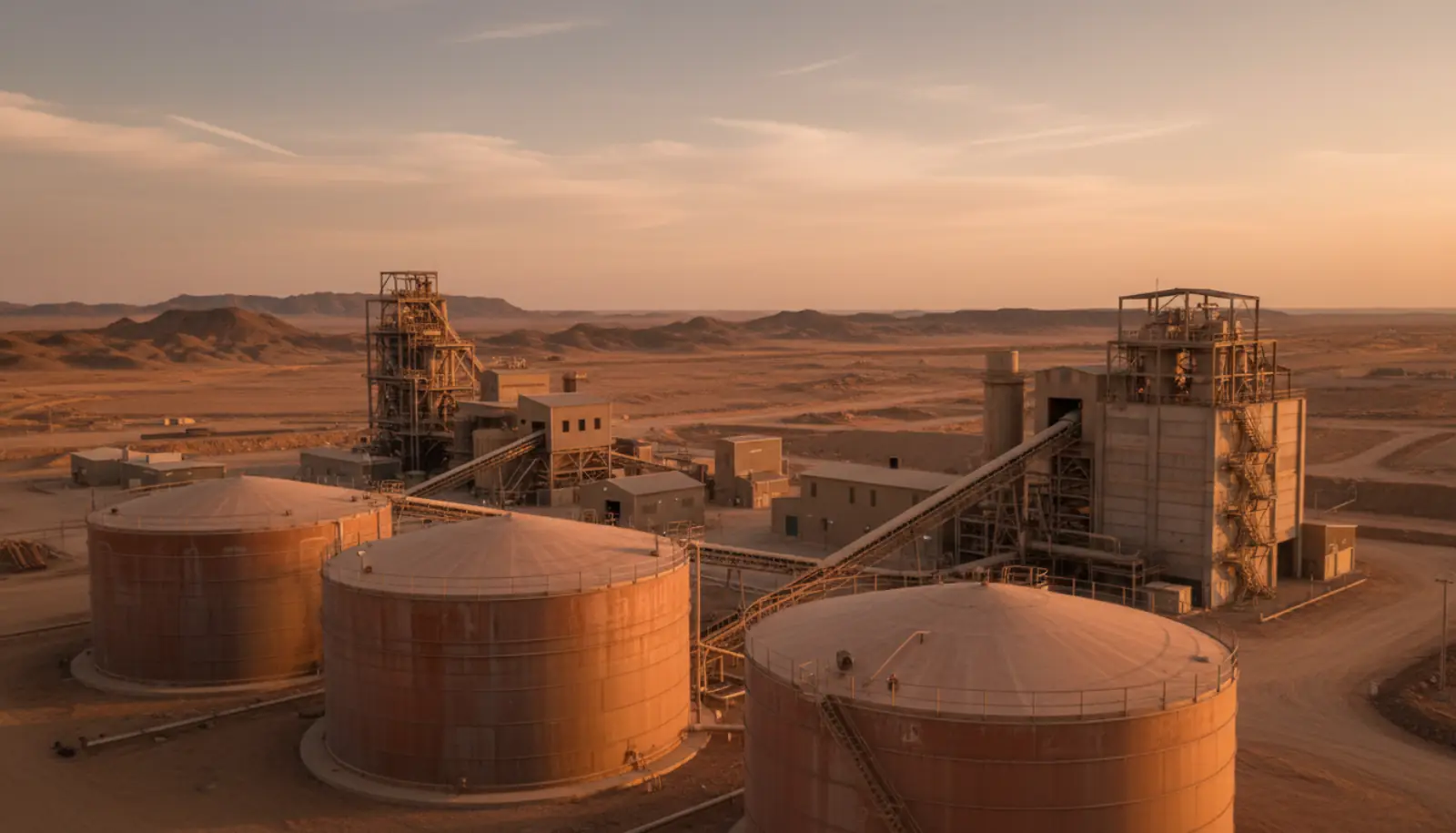
In carbon-in-pulp (CIP) and carbon-in-leach (CIL) circuits, carbon is mixed with slurry to adsorb gold-cyanide complex, then separated, eluted and often thermally reactivated for reuse. The carbon is therefore handled intensively, and breakage means lost gold.
- Prioritise hardness and abrasion resistance, then activity (gold-loading performance), then particle size, since the carbon must be screened from the slurry.
- Typical gold-recovery carbons are coconut shell-based in a coarse granular size, although coal-based products are also used in some circuits.
- Ask the supplier for plant references and activity test data under conditions similar to yours. Your metallurgist should confirm acceptance criteria, because circuit design varies widely.
Air and gas purification
Pelletised or granular carbon removes odours, solvents and volatile organic compounds, and impregnated carbon removes specific gases such as hydrogen sulphide or acid gases.
- Specify the target gases, concentration, temperature and humidity, because adsorption is strongly affected by all of them.
- Check CTC or butane activity, pellet diameter, hardness and dust.
- For impregnated carbon, confirm the impregnant, its loading and the capacity test method.
Food and beverage processing
Food-grade applications such as sugar refining, edible oils, glycerine, citric acid and beverages demand clean, low-ash carbon with documentation.
- Look for acid-washed, low-ash grades and food-grade declarations aligned with the standard your customer references.
- Check filterability of powdered carbon, because fines can pass into the product stream.
- Ask for traceability and a CoA per batch, as well as supporting regulatory statements.
Packaging, transport and storage
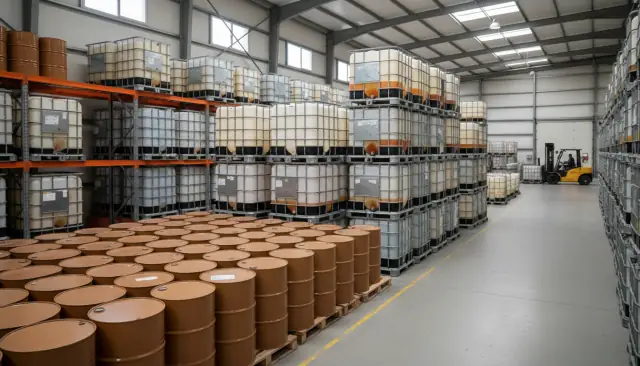
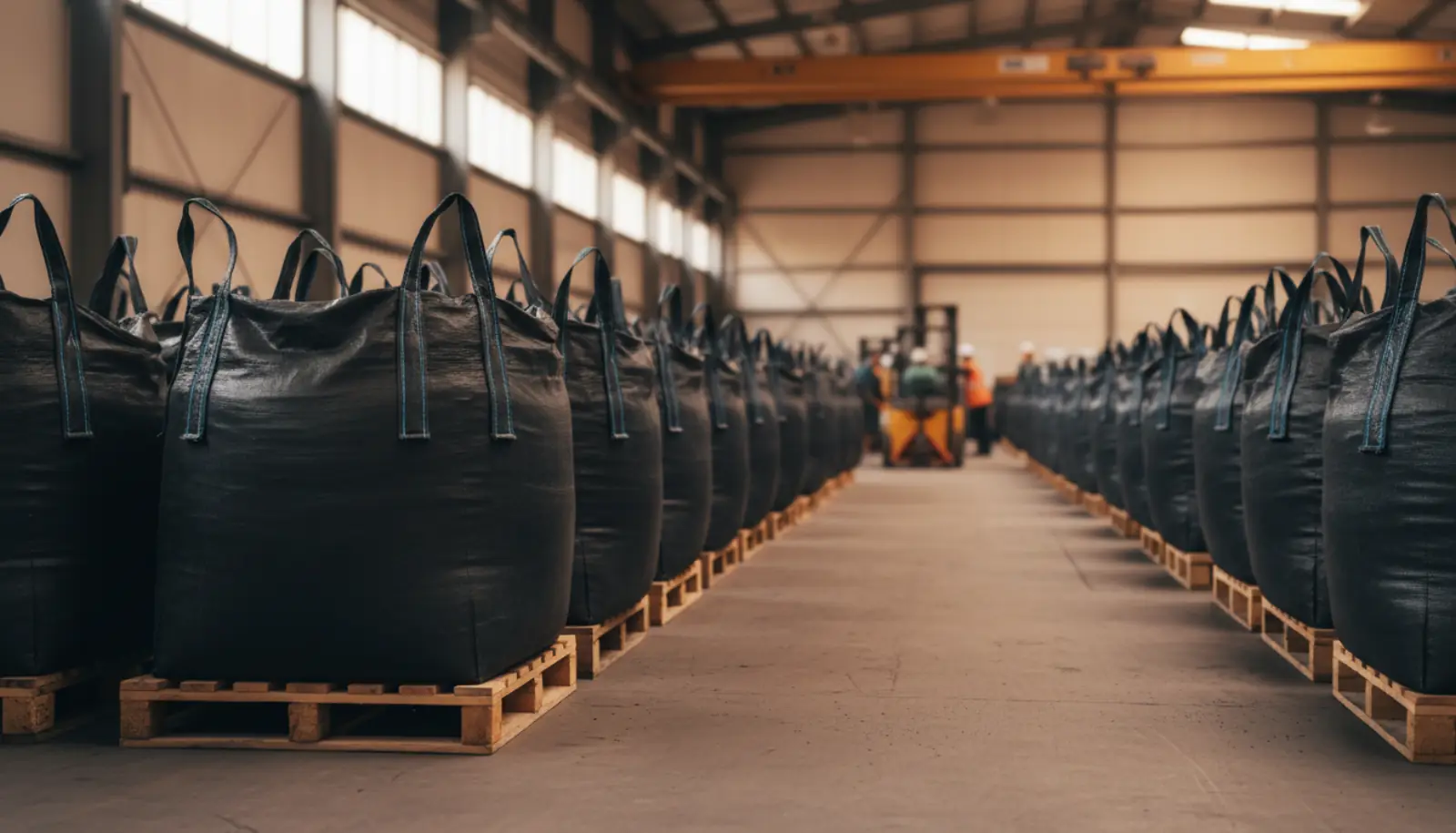
- Packaging. Common packs are 25 kg woven polypropylene bags with liners and larger bulk bags (jumbo bags). Check the liner and seal quality, because carbon absorbs moisture and odours from the environment.
- Palletisation. Strongly recommended for bagged goods, to limit damage and make loading faster.
- Storage. Keep in a dry, covered, well-ventilated place, away from solvents, fumes and strong odours, which carbon will adsorb. Reseal opened bags promptly.
- Dust. Carbon dust is a nuisance and can be combustible. Use dust control, and avoid ignition sources near powdered carbon.
- Safety in confined spaces. Wet activated carbon can remove oxygen from the air in enclosed spaces such as tanks, vessels and containers. Follow confined-space entry rules and test the atmosphere before entry.
- Transport classification. Some activated carbon products can show self-heating behaviour and may be regulated as dangerous goods in transport, while many are not. Classification depends on the product and test results, so request the SDS and the supplier's transport classification before booking.
How to specify an RFQ
A complete enquiry avoids mismatched quotes.
- Application and process conditions (for example, water type, CIL circuit, gas stream).
- Raw material preference (coconut shell, coal, wood) or performance requirement.
- Form and size (powder, granular mesh range, pellet diameter).
- Minimum iodine number and/or methylene blue, with test method.
- Maximum ash, maximum moisture and minimum hardness, with test methods.
- Apparent density range.
- Special requirements (acid-washed, food-grade, impregnated, potable-water compliance).
- Packing and quantity (25 kg bags, bulk bags, container loads).
- Destination port, Incoterms and timing.
- Inspection (for example SGS or Intertek pre-shipment inspection).
Frequently asked questions
Is a higher iodine number always better?
No. Iodine number indicates micropore capacity, which helps with small molecules, but it says nothing about hardness, ash or mesopore capacity. A carbon with a very high iodine number but low hardness can perform worse in gold recovery than a harder carbon with a lower number.
Which is better for water treatment, coconut shell or coal-based carbon?
Neither is better in all cases. Coconut shell is strong for chlorine and small organics. Coal-based carbon handles a wider range of molecule sizes at a lower cost. Choose by the contaminant, and test on your own water if the stakes are high.
What is the difference between PAC and GAC?
PAC is a fine powder, dosed into liquids and removed by filtration. GAC is granular, used in fixed beds or tanks, and can be regenerated. PAC suits intermittent or batch problems; GAC suits continuous duty.
Can used activated carbon be regenerated?
Granular carbon can often be thermally reactivated, as is standard in gold recovery, though some losses occur at each cycle. Powdered carbon is typically used once. Regeneration suitability depends on what was adsorbed.
How should I compare two quotations?
Compare on the same test methods and the same moisture basis, and then on cost per unit of useful performance, such as cost per cubic metre of water treated, rather than price per tonne. Check hardness and ash as well as iodine number.
Is activated carbon a dangerous good?
It depends on the product. Some types may be classified as self-heating substances for transport, while many are not. Check the SDS and ask the supplier for the transport classification for the exact grade.
Next step: send us your enquiry
Chemineral is based in Sohar, Oman, and exports from Sohar and Salalah. We quote Suez and Cape routing side by side, our firm offers are valid for 72 hours, and we can arrange SGS or Intertek pre-shipment inspection. Send your application details and specification to our trade desk by submitting an RFQ through the contact page.
Our trade desk can turn the views in this report into firm offers on today's indicative prices — valid 72 hours, with complete documentation.
Request a quote