Incoterms 2020 for Petrochemical Buyers: Where Risk and Cost Transfer
A practical guide to EXW, FCA, FOB, CFR, CIF, DAP and DDP for bulk and containerised petrochemicals, including CIF insurance minimums and the mistakes that cost buyers money.
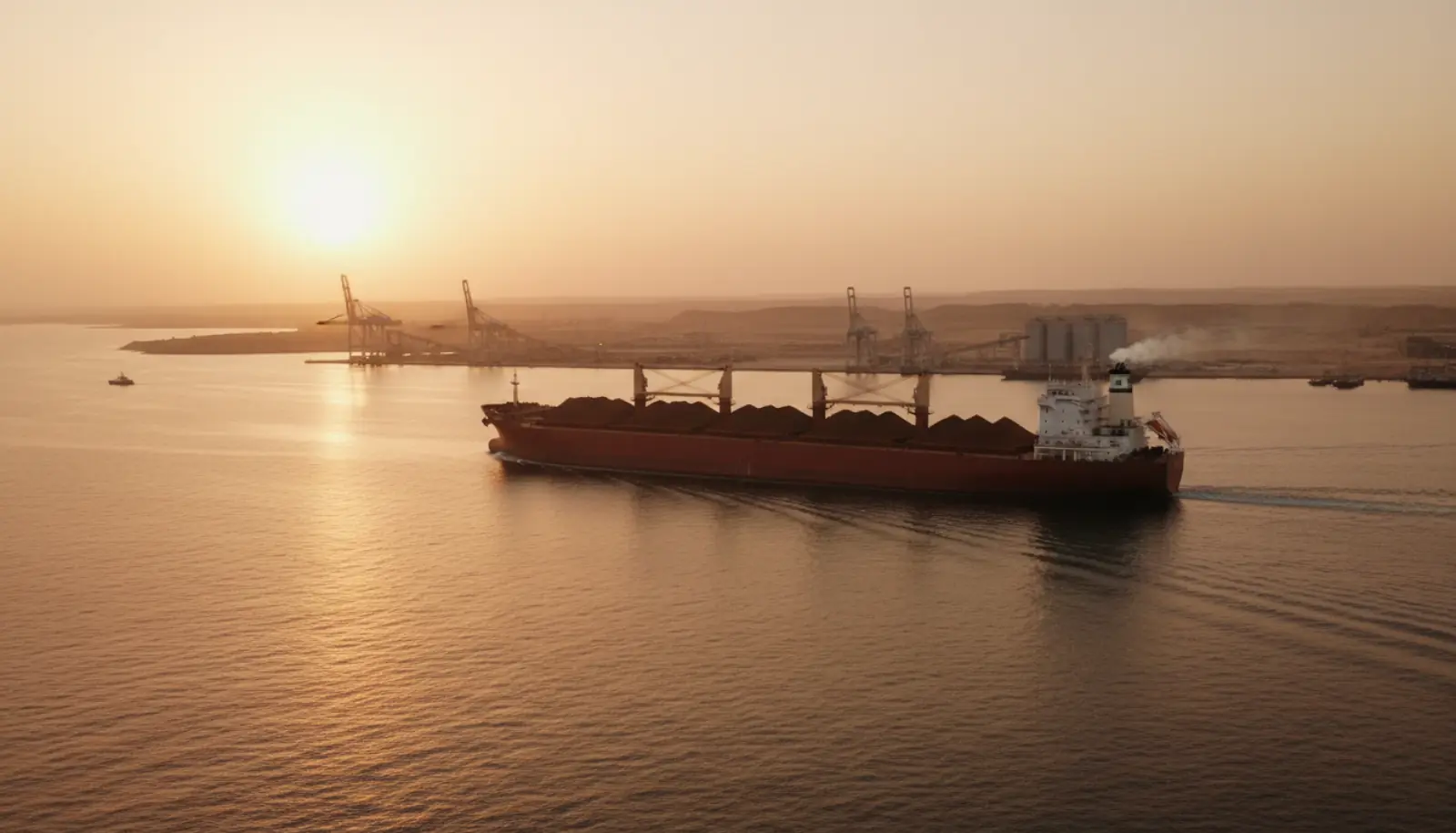
For most bulk petrochemical purchases, the right choice is FOB or CFR for full vessel and parcel cargoes, and FCA or CPT for containerised and ISO tank cargoes. CIF is workable but its default insurance is thinner than most buyers assume. Whatever you choose, an Incoterms rule only settles who does what, who pays for what, and where risk passes from seller to buyer. It settles nothing else about the deal.
This guide explains how the seven rules buyers meet most often work in practice, where the 2020 edition differs from older habits, and which mistakes we see repeatedly in petrochemical contracts. It is general guidance, not legal, insurance or banking advice. Have your own advisers check any contract before you sign it.
What Incoterms do, and what they do not
Incoterms are standard trade terms published by the International Chamber of Commerce. The current edition is Incoterms 2020, which contains eleven rules. They are incorporated into a sales contract by naming the rule, the place, and the edition, for example "FOB Sohar, Incoterms 2020".
Each rule answers three questions:
- Delivery and risk: at what point does the seller's job end, and at what point does the risk of loss or damage move to the buyer?
- Costs: who pays for loading, main carriage, insurance, export clearance, import clearance, duties, and discharge?
- Tasks and documents: who arranges the carriage, who provides what paperwork, and who notifies whom?
Incoterms do not cover the following, and a contract that relies on them alone will have gaps:
- The transfer of title (ownership) to the goods.
- Payment terms and timing.
- The governing law and how disputes are resolved.
- Quality, specification and quantity tolerances.
- Laytime, demurrage and loading or discharge rates for vessel cargoes.
- The consequences of breach.
A short sales contract that says "CIF Mombasa" and nothing more leaves all of the above to chance. Write the other terms down.
The eleven rules at a glance
Seven rules work for any mode of transport: EXW, FCA, CPT, CIP, DAP, DPU and DDP. Four are for sea and inland waterway transport only: FAS, FOB, CFR and CIF. The table below covers the rules petrochemical buyers meet most often.
| Rule | Risk passes to buyer | Main carriage paid by | Export clearance | Import clearance | Insurance |
|---|---|---|---|---|---|
| EXW | At seller's premises, goods placed at buyer's disposal | Buyer | Buyer | Buyer | Buyer's choice |
| FCA | When handed to the buyer's carrier at the named place | Buyer | Seller | Buyer | Buyer's choice |
| FOB | When goods are on board the vessel at the loading port | Buyer | Seller | Buyer | Buyer's choice |
| CFR | When goods are on board the vessel at the loading port | Seller | Seller | Buyer | Buyer's choice |
| CIF | When goods are on board the vessel at the loading port | Seller | Seller | Buyer | Seller, minimum cover |
| DAP | At the named destination, ready for unloading | Seller | Seller | Buyer | Seller's choice |
| DDP | At the named destination, ready for unloading | Seller | Seller | Seller | Seller's choice |
Read the CFR and CIF rows twice. Under both, the seller pays for the ship, but risk still passes at the loading port. That split between who pays for transport and who carries the risk during it is the root of most CIF misunderstandings.
Term by term
EXW (Ex Works)
The seller makes the goods available at its own premises; the buyer loads, carries and clears for export. EXW is rarely sensible for an overseas buyer, because export clearance by a foreign buyer is difficult and loading dangerous cargo is a specialist job. If you want to control freight without carrying export formalities, use FCA.
FCA (Free Carrier)
Under FCA the seller delivers the goods to the carrier or other person nominated by the buyer, at a named place. If that place is the seller's premises, delivery is complete once the goods are loaded on the buyer's collecting vehicle. If it is elsewhere, such as a container terminal or freight station, delivery is complete when the goods are ready for unloading from the seller's vehicle. The seller handles export clearance.
FCA is the natural choice for containers, drums, IBCs and ISO tanks, because the handover happens at a terminal or yard, before the box is lifted aboard.
Incoterms 2020 added an option to FCA that matters for letters of credit. The buyer and seller may agree that the buyer will instruct its carrier to issue an on-board bill of lading to the seller after loading. This resolves an old problem: under FCA the seller delivers before the goods are on the ship, yet a bank under a letter of credit usually expects a bill of lading showing the goods are on board. If you are buying FCA on documentary credit terms, agree this mechanism expressly.
FOB (Free On Board)
Under FOB the seller delivers the goods on board the vessel nominated by the buyer at the named port of shipment, or procures goods already so delivered. Risk passes at that moment. The buyer pays for the main carriage and the seller handles export clearance.
FOB suits bulk liquids and dry bulk, where a buyer-nominated vessel loads at a berth or jetty and the cargo is measured passing into the ship's tanks or holds. It also suits buyers who want control of freight, vessel selection and routing, or who have a contract of affreightment or a better freight rate than the seller can offer.
The buyer must nominate a vessel acceptable to the terminal with proper notice, and must arrange its own marine cargo insurance from the moment the goods are on board.
CFR (Cost and Freight)
Under CFR the seller contracts and pays for carriage to the named port of destination, and clears the goods for export. Risk passes to the buyer at the loading port, once the goods are on board. The seller has no duty to insure.
CFR is popular when the buyer has strong, cheap insurance cover of its own, perhaps under an open policy for all its imports, and simply wants the seller to deal with the ship. Because the seller is not insuring anything, the buyer's cover must start when the goods are loaded, and the buyer needs timely shipping notices to arrange it. Late notice from the seller can leave a cargo uninsured for part of its voyage.
CIF (Cost, Insurance and Freight)
CIF is CFR with one extra obligation: the seller must procure marine cargo insurance for the buyer's benefit and pay for it. Risk still passes on loading, so the insurance is there to protect the buyer for the voyage after that point.
The default level of cover is the problem, and it gets its own section below.
DAP (Delivered at Place)
Under DAP the seller delivers when the goods, placed at the buyer's disposal on the arriving means of transport, are ready for unloading at the named place of destination. The seller bears all risk and cost to that point, including carriage and export clearance. The buyer unloads and handles import clearance and duties.
DAP is a door-to-door or terminal-to-terminal offer for buyers who want a landed price without the complexity of managing freight. Check what the named place means in practice: "DAP Dar es Salaam port" and "DAP buyer's tank farm, Dar es Salaam" are very different commitments.
DDP (Delivered Duty Paid)
DDP is DAP plus import clearance and payment of duties and taxes by the seller. It is impractical where import clearance needs a local importer of record or chemical-specific licences. If you hold the import permit, DAP is the more honest term.
Other rules worth knowing
- CPT and CIP are the any-mode counterparts of CFR and CIF: risk passes when goods are handed to the first carrier. CIP requires the higher level of cover (see below).
- DPU replaced DAT in 2020. It is like DAP, but the seller also unloads at destination.
Insurance under CIF and CIP
The most common insurance mistake in petrochemical trade is assuming that "CIF" means "fully insured". It does not.
CIF minimum cover under Incoterms 2020 is cover complying with the Institute Cargo Clauses (C), or a similar set of clauses. The insurance must be:
- With reputable underwriters or an insurance company of good standing.
- In the currency of the contract.
- For at least 110% of the contract price (the CIF price, in the case of CIF).
- Covering the goods from the point of delivery to at least the named port of destination.
- Such that the buyer, or anyone with an insurable interest, can claim directly from the insurer.
CIP, by contrast, requires a higher level: cover complying with Institute Cargo Clauses (A), unless the parties agree otherwise. That change was made in 2020 because CIP is often used for manufactured goods in containers, where broader cover is expected.
What this means for buyers:
- Clauses (C) cover a limited list of named perils such as fire, explosion, stranding, grounding, sinking, capsizing and collision, together with general average and certain related losses. They do not give the broad "all risks" protection of Clauses (A). Typical cargo problems such as leakage, shortage, contamination, or damage from rough handling may fall outside (C) cover, and you should check the policy wording rather than assume.
- The buyer may ask the seller to provide additional cover, such as war and strikes clauses, if it can be procured, at the buyer's expense. The seller must provide the information the buyer needs to arrange it.
- Cover under CIF ends at the named port of destination, not at your tank or warehouse. If the cargo needs trucking from the port to your site, that leg needs separate cover.
- The insurance document must be one that you can use. Ask for the certificate or policy before shipment, check the insured value, the voyage description and the claims agent at destination.
Decision rule: if you are buying CIF and you want cover beyond the minimum, either state the required clauses in the contract (for example, Institute Cargo Clauses (A), plus war and strikes) and agree who pays, or buy CFR and place your own cover. The second approach often gives the buyer better control over claims, because the policy and the claims agent are the buyer's own.
Bulk versus containers
The ICC's guidance is that FOB, CFR and CIF are intended for non-containerised sea freight, and FCA, CPT and CIP suit containers. The reason is the gap between handover and loading.
Take a container of drummed product. The seller delivers it to the container terminal several days before the vessel arrives. Under FOB or CIF, risk stays with the seller until the box is physically on board. During those days, the container sits in the terminal, under the carrier's or terminal operator's care, but neither party can easily prove what happened to it. A buyer under CIF has no cargo cover for that stage, and a seller under FOB cannot control the terminal. It also affects the bill of lading: the carrier issues a received-for-shipment bill at gate-in and only later an on-board one.
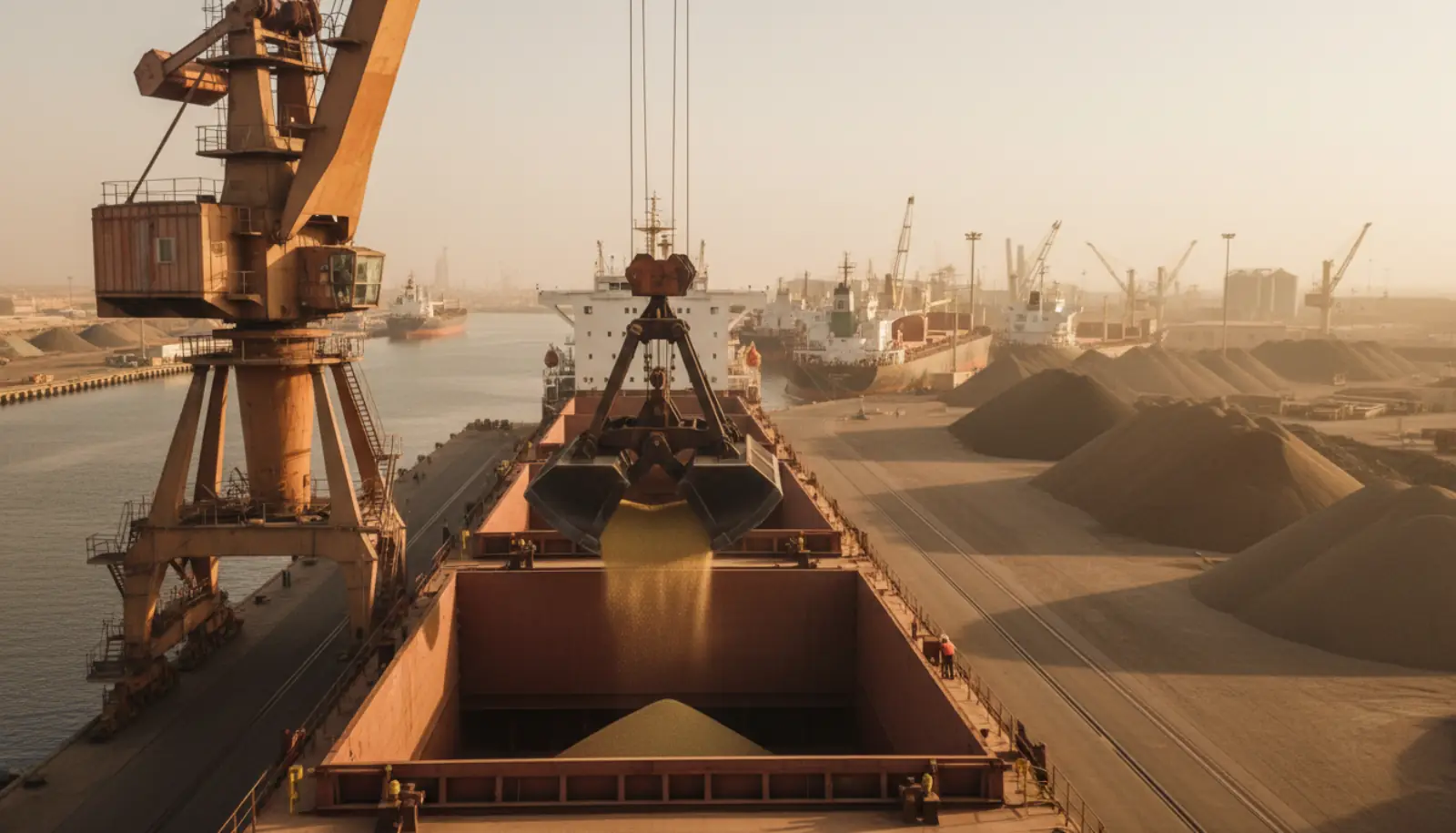
For bulk liquid or dry cargoes loaded directly into a ship, the point at which the goods pass the vessel's rail or the ship's manifold is clear, measurable and witnessed, usually by an independent surveyor. FOB, CFR and CIF fit that.
| Cargo | Better-fit rules | Why |
|---|---|---|
| Bulk liquid, tanker parcel | FOB, CFR, CIF | Handover on board is measurable and witnessed |
| Dry bulk | FOB, CFR, CIF | Same |
| Containers (drums, IBCs, bags) | FCA, CPT, CIP | Handover happens at the terminal, before loading |
| ISO tank containers | FCA, CPT, CIP | Same, plus tank cleaning and return obligations to agree separately |
| Delivered to your site by road | DAP | Seller carries risk to your gate |
That said, CFR and CIF for containers remain common in global trade. If you use them, understand the gap, and make sure your inspection and insurance arrangements cover it.
Choosing a rule: practical decision rules
- Do you have, or can you get, better freight than the seller? If yes, buy FOB (bulk) or FCA (containers), and book your own ship or forwarder.
- Do you want one price and one party to chase for the voyage? Buy CFR or CIF (bulk), or CPT or CIP (containers).
- Do you have your own open cargo policy? Buy CFR or CPT and insure yourself.
- Do you hold the import licence and know the local customs process? Avoid DDP. Take DAP and clear the goods yourself.
- Are you paying under a letter of credit? Choose the rule that produces the document the credit requires: an on-board bill of lading for FOB, CFR and CIF; FCA with the on-board bill option; an insurance document for CIF and CIP. See our letter of credit guide.
Freight is not constant. The route a vessel takes from Oman, for example via the Suez Canal or round the Cape of Good Hope, changes both the transit time and the freight cost. When Chemineral quotes CFR or CIF, we quote Suez and Cape routing side by side so the buyer can see the difference and choose, rather than guessing which route sits behind the number. Whatever supplier you use, ask what routing assumption is built into any delivered price.
Common mistakes
- Using FOB for containers. Risk passes on board the ship, but the seller delivers days earlier at a terminal. Use FCA, and name the terminal.
- Treating CIF as full cover. The minimum is Clauses (C) at 110%. Specify more if you need it.
- Naming a country instead of a place. "FOB Oman" is not precise enough. Use "FOB Sohar" or "FOB Salalah", and for terms like FCA or DAP, give the exact address or terminal.
- Leaving out demurrage and laytime. Incoterms do not deal with these. In vessel cargoes, write them in, including loading and discharge rates and notice periods.
- Assuming CFR or CIF includes discharge costs. Under these rules, costs of unloading at the destination are for the seller only if they are for its account under the contract of carriage. Check whether the freight is on liner terms or free-in/free-out terms, and who pays terminal and discharge charges.
- Mixing Incoterms with payment terms carelessly. A credit that requires a CIF insurance certificate under an FOB contract demands a document the seller cannot provide.
- Ignoring dangerous goods rules. The Incoterms say nothing about classification, packaging, labelling or documentation for hazardous cargoes. Both parties need to make sure the shipment complies with applicable regulations at origin, in transit and at destination.
Getting the contract wording right
Name a precise port, the edition, the notice period, the quantity tolerance and the inspection arrangement. Chemineral can arrange pre-shipment inspection by SGS or Intertek, so quantity and quality at loading are verified by an independent party; see our guide to export shipping documents for how that certificate fits the document set.
Also check offers against the term: a price quoted "CIF" with no destination port, insurance level or routing is not a complete offer. Chemineral's firm offers are valid for 72 hours, so ask for an extension before one lapses rather than assuming it will be honoured.
Frequently asked questions
Which Incoterm is best for bulk petrochemicals?
FOB is the most flexible choice for a buyer who controls the vessel, and CFR or CIF suit buyers who want the seller to arrange the voyage. All three are built for cargo loaded directly into a ship. For containers, FCA, CPT or CIP are usually a better fit.
Is CIF safer for the buyer than FOB?
Not necessarily. Under CIF the seller pays for freight and basic insurance, but risk still passes when the goods are on board at the loading port. The minimum cover is Clauses (C) at 110% of the contract price, which is narrower than many buyers expect. A buyer with a good cargo policy of its own may be better protected under FOB or CFR.
What does 110% mean in CIF insurance?
The insured value must be at least 110% of the contract price, in the contract currency. The margin is meant to cover reasonable costs and expected profit. It is a minimum.
Can I use FOB for a container shipment?
You can, and many people do, but it is not what the rule was designed for. Risk passes when the goods are on board, yet the seller delivers the container to the terminal days earlier. FCA with the terminal named as the place of delivery lines up the legal handover with the physical one.
What is the difference between DAP and DDP?
Under DAP the buyer clears import customs and pays duties. Under DDP the seller does both, which is only realistic if it can legally act as importer.
Do Incoterms say when ownership passes to the buyer?
No. Incoterms deal with delivery, risk and costs, not title. The sales contract must say when ownership passes, and that matters for retention of title, finance and insolvency risk.
Talk to the trade desk
If you are comparing offers on different terms, or want to see how FOB, CFR and CIF prices from Sohar or Salalah line up for your destination, our trade desk can lay them side by side with the routing assumptions stated. Contact the Chemineral trade desk with your product, quantity and destination port.
Our trade desk can turn the views in this report into firm offers on today's indicative prices — valid 72 hours, with complete documentation.
Request a quote