Choosing and Briefing an Independent Inspector or Laboratory for a Cargo
How to choose and brief an independent inspector or laboratory for a commodity cargo: services, independence, accreditation scope, instruction letters, sampling, reports and common mistakes.

Choose an inspector or laboratory for what it can prove, then brief it in writing so it proves the right thing. The company's name matters less than three questions: is it independent of both parties, is it competent to run the exact test or inspection you need, and does your instruction say precisely what to sample, test and report? Most disappointing certificates come from a vague instruction, not from a bad inspector.
This guide is for buyers and sellers of bulk commodities and petrochemicals who have to appoint an independent third party for a cargo. It covers the services on offer, independence, accreditation, who appoints and pays, the instruction letter, sampling, the contents of a report, turnaround, split samples and umpire laboratories, and the mistakes that cause disputes. It is general guidance. It does not recommend, rank or endorse any inspection company or laboratory, and the contract between the parties decides what is binding.
What an independent inspector or laboratory can do
Answer first: inspection companies sell several distinct services, and a certificate is only as useful as the service behind it. Decide which of these you need before you ask for a quote.
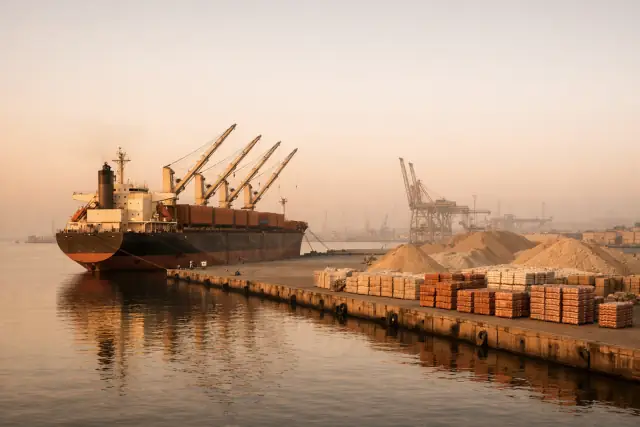
- Pre-shipment inspection. Checks on the goods before they leave: identity, packaging, marking, condition, quantity and often quality. Chemineral can arrange SGS or Intertek pre-shipment inspection; the principles below apply whoever is appointed.
- Loading supervision. An inspector attends loading, confirms what goes into the vessel, container or truck, seals it where applicable and records the process, including the cleanliness of holds or tanks beforehand.
- Sampling. Drawing representative samples under an agreed method, sealing them, labelling them and distributing them to the parties and the laboratory.
- Quantity surveys. Measuring how much was loaded, by draft survey for dry bulk (see our draft survey guide), shore tank measurement for liquids, or counts and weighing for packed goods.
- Laboratory analysis. Testing samples against the specification and issuing a certificate of analysis.
- Discharge checks. The same services at destination, which show what actually arrived.
A single company may offer all of these, but they are separate jobs, and you can appoint one body to sample and a different laboratory to test. Document each step, because the evidence is only as strong as its weakest link. Our guide to pre-shipment inspection for petrochemicals explains what such a certificate proves and does not prove.
Independence and conflicts of interest
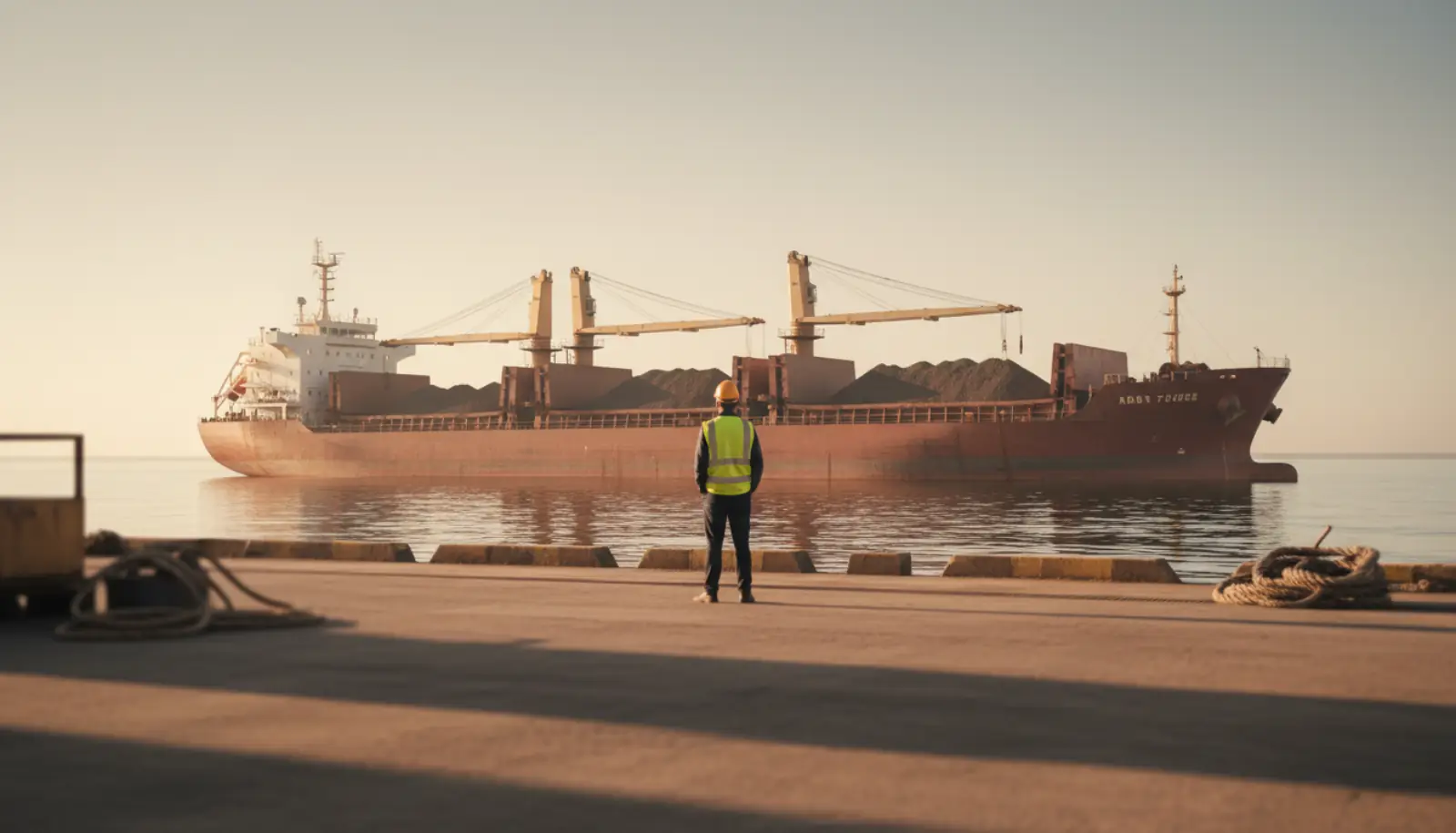
Answer first: an independent inspector is one that neither party controls and that has no financial interest in the outcome. Ask about this directly rather than assuming it.
Independence is not a label. It is a set of facts you can ask about:
- Ownership and control. Is the inspector owned by, or part of the same group as, the seller, the buyer, the producer, the trader or the shipper?
- Commercial dependence. Does the inspector depend on one party for a large share of its work?
- Other services. Is the company also supplying consultancy, trading, storage or freight services on the same cargo?
- Impartiality policy. Does it have a written policy for declaring and managing conflicts?
Why it matters: in a dispute, the other side will challenge a certificate by challenging the issuer, and a certificate from a body linked to the party who benefits carries little weight with a bank, an insurer or an arbitrator.
Decision rules:
- Use a body that neither party owns or controls.
- Ask both parties to confirm in writing that they accept the appointed body.
- Treat a seller's or producer's own laboratory certificate as the seller's data, and agree who verifies it independently.
- Never tell the inspector what the result should be. That destroys the value of the report.
Laboratory accreditation: ISO/IEC 17025
Answer first: ISO/IEC 17025 is the international standard for the competence of testing and calibration laboratories. Accreditation to it means an accreditation body has assessed the laboratory against that standard for specific work. It is evidence of competence, not a guarantee of any single result.
Points to understand:
- Accreditation is by a national accreditation body, not by the laboratory itself. Many such bodies take part in international recognition arrangements, which help one country's accredited results be accepted in another.
- It is different from certification. A company holding a management system certificate, such as one for quality management, has not necessarily been assessed as technically competent to run a given test. ISO/IEC 17025 assesses technical competence, including methods, equipment, calibration, staff and uncertainty.
- Inspection bodies have their own standard. ISO/IEC 17020 covers the competence of bodies that carry out inspection, as distinct from testing. If you are buying inspection, sampling or supervision, ask whether the body is accredited to it for the relevant scope, and treat 17025 as the laboratory test standard.
- It reduces risk, not removes it. An accredited laboratory can still make an error.
Practical use:
- Ask for the accreditation certificate and its schedule of accreditation, and read both.
- Confirm the status with the accreditation body, not just the laboratory. Most publish directories of accredited organisations.
- Check it is current and covers the site that will do your work, since large groups hold different accreditations at different sites.
Scope must match the test method
Answer first: "accredited laboratory" is meaningless until you check that the scope covers your product, your test and your method.
An accredited laboratory is accredited for particular tests, on particular materials, by particular methods. The schedule of accreditation lists them. Look for:
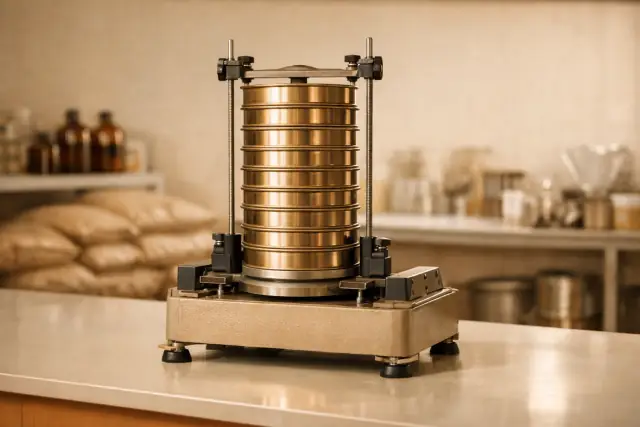
- The measured property. Purity, moisture, ash, viscosity, melting point, particle size or whatever your specification calls for.
- The test method. The standard or procedure named in your contract. A laboratory accredited for a similar method is not accredited for yours.
- The material. A method accredited for one material may not cover another.
If the exact test is not on the schedule, ask whether the laboratory will run it outside accreditation and how the report will say so. Some work is legitimately done outside scope, but the report should make that visible and the contract should accept it. If the contract names a method, the laboratory should run that method, not an equivalent, unless both parties agree.
A related point: the specification in the contract, the method in the instruction letter and the method on the certificate should be the same. Differences between them are a common source of disputes. The sale contract clauses guide covers how to write the specification and the methods into the contract.
Who appoints, and who pays
Answer first: the contract should name the inspector, say who appoints it and say who pays. After a dispute begins, neither side will agree.
| Arrangement | Watch for |
|---|---|
| Seller appoints and pays | Buyer must be comfortable with the choice and its independence |
| Buyer appoints and pays at loading | Seller needs access, an agreed method and a certificate it can present to a bank |
| Joint appointment, cost shared | Needs a single instruction letter and clear communication lines |
| Seller's inspector at load, buyer's at discharge | Different methods or locations can give conflicting results, so agree the rules in advance |
Settle these points:
- The named body or a list of acceptable bodies, not "a reputable inspector".
- Who gives instructions and whether the other party sees them.
- Who pays for what: standard work, extra tests, umpire analysis and repeat inspection.
- Whose certificate binds: whether the load-port certificate is final, or the discharge result prevails.
- Letter of credit alignment. If the credit requires a certificate from a named body, only that body will satisfy it. See our letter of credit guide.
The instruction letter: what to put in it
Answer first: the instruction letter is the most important document in the process. If it is vague, the certificate will be vague.
A good letter includes:
- Parties and contacts. Buyer, seller, agents, and who may give instructions or receive reports.
- The cargo. Product, form, grade, packaging, quantity, contract reference, vessel or container details and location.
- Timing. Windows for inspection, loading and sampling, and the deadline for the report.
- Scope of work. Exactly which services: inspection, loading supervision, sampling, quantity measurement, analysis.
- Specification and methods. Each test, with limit, unit and method by name and version, as in the contract.
- Sampling. The procedure, number and size of samples, and points of sampling.
- Sample distribution. How many sealed samples, who holds them and for how long.
- Reporting. Contents, format, language, who receives copies, and any certificate wording a bank or the contract requires.
- Seals and attendance. Whether the inspector fits seals and records numbers, and whether the parties' representatives may attend.
- Deviations. A duty to report immediately if the cargo is off specification or the work cannot be done as instructed.
- Charges and safety. Who pays fees, and site safety rules with reference to the safety data sheet.
Keep the letter consistent with the contract. If the specification changes, change the letter and tell the other party.
Sampling plan and sealed samples
Answer first: the best laboratory cannot fix a bad sample. Sampling is where most quality evidence is won or lost.
A sample must represent the whole cargo. Packed goods are sampled from packs chosen across the lot. Dry bulk is sampled at intervals during loading or discharge and combined into composites. Liquids are sampled from shore tanks or defined points in the line, in clean, compatible, labelled containers.
- Use an agreed method, named in the contract or instruction letter.
- Sample at the right place and time. Agree whether sampling is at the shore tank, the loading line, during loading or at discharge.
- Prevent contamination with clean tools and suitable containers.
- Seal and label. Each sample needs a tamper-evident seal, a unique number, the product, date, place and the signatures of those present.
- Record the chain of who took, sealed, stored and moved it.
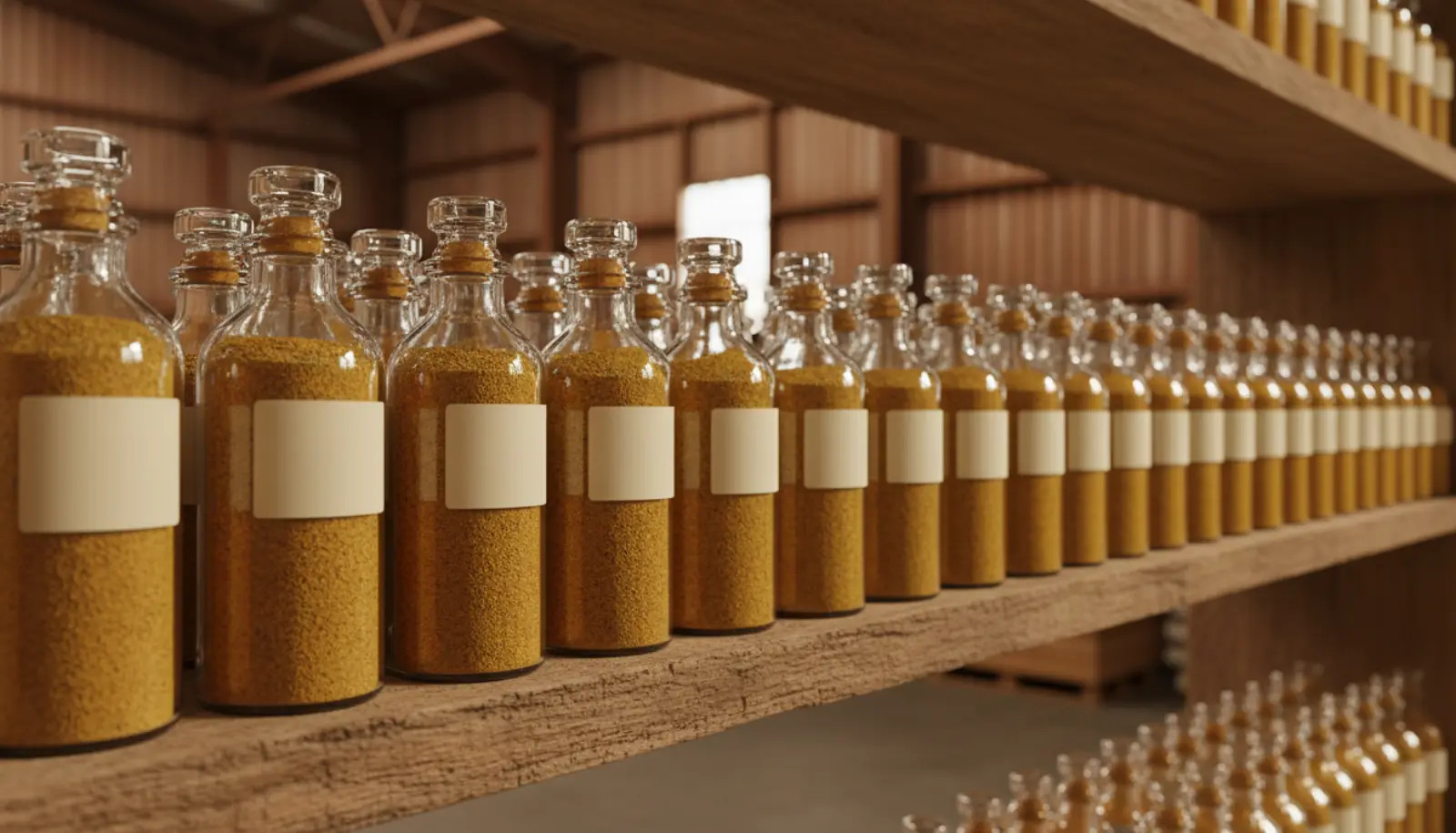
- Keep retained samples for an agreed period at an agreed place, so a disputed result can be retested.
Moisture-sensitive or volatile products need suitable containers, and the safety data sheet may set handling rules, so say so in the instruction.
What the report and certificate should contain
Answer first: a useful report lets a stranger see what was done, to what, by whom, using what method, with what result. If it cannot, it will not survive a dispute.
Check that it shows:
- Issuer name, address, report number and date, and the signatory.
- The cargo: product, quantity, packing, marks, vessel or container and seal numbers.
- Where and when the work took place, and any observations on condition, contamination or damage.
- The sampling method and the sample identification.
- The test methods used, with results and units, set beside the specification limits.
- Any deviation from the instruction or method, and any work done outside accreditation.
- A statement of the basis for quantity, such as draft survey or tank gauge.
- Limits on the issuer's responsibility, which are normal, but read them.
Also check that the product description matches the contract and any letter of credit, that the result is compared with the current specification, and that the report says more than "in accordance with the client's instructions". Certificates dated long after loading, or before loading finished, raise questions.
Verifying a certificate with the issuer
Answer first: a certificate can be forged or altered, so confirm it directly with the issuer through a contact you found independently.
- Do not rely on contact details printed on the certificate. Find the issuer's official contact through its own website or a known channel.
- Ask the issuer to confirm that the report number exists, that it was issued for this cargo and client, and that the key data match.
- Use any online verification service the issuer offers, reached through its official site and not through a link in an email.
- Keep a record of when and how you verified it.
This takes minutes and fits with the wider checks in our guide to verifying a petrochemical supplier.
Turnaround time
Answer first: build realistic analysis time into the shipping plan, and ask the inspector in advance how long the report will take.
Turnaround depends on the tests required, laboratory workload, transport of the samples and whether a second person must authorise the report. Weekends, public holidays and remote locations add time.
- State the deadline in the instruction, especially if payment or a letter of credit depends on the certificate.
- If documents must be presented to a bank within a set time after shipment, work backwards from that date to the latest time the report can be issued.
- Do not release cargo or pay against a certificate that has not yet been issued unless the contract allows it.
Split samples and umpire laboratories
Answer first: when two parties get different results, the contract should already say how to settle it. The usual answer is a split sample and an agreed umpire laboratory.
Each sealed sample is divided: one part for the seller, one for the buyer, one for the laboratory and one retained. If results differ materially, the retained part goes to an agreed third laboratory, the umpire, for a decisive test. Agree beforehand:
- The umpire, named in the contract or chosen by an agreed method, with no link to either party.
- The method, identical to the original.
- What counts as a material difference. Methods vary naturally, so agree a tolerance in the contract.
- Which result binds. Typically the umpire result alone, or an average of results within a stated tolerance of it.
- Who pays. Often the losing party. State it.
- Sample integrity. Check seals before sending, with both parties present or consenting where possible.
Our quality claims and disputes guide shows how this fits into a claim.
Cost drivers
Answer first: the fee depends on what you ask for, and a precise instruction is usually cheaper than a repeat visit. This guide gives no prices.
- Scope, tests and samples. More services, more tests and more distributed samples cost more, and specialised methods cost more than routine ones.
- Location and attendance. Remote sites, multiple ports, long loading operations, waiting time and night work extend the inspector's time.
- Urgency and repeat work. Faster turnaround may carry a surcharge, and re-sampling or re-testing after a failed result adds cost.
- Documents. Special wording, extra copies and legalisation add cost.
Ask only for the tests the contract needs, agree the plan before attendance, and have the cargo ready when the inspector arrives. Do not economise on sampling or sealing, since that is where a cheap job becomes an expensive dispute.
Common mistakes
- Appointing late, with no time to agree the method.
- A vague instruction, such as "inspect the cargo" with no specification or reporting requirement.
- Mismatched documents, where contract, instruction letter and certificate use different methods or descriptions.
- Assuming accreditation covers the test without reading the schedule.
- No retained sample and no umpire clause, so a dispute has nothing to test and no agreed way to settle.
- Unclear independence, discovered only after the result is challenged.
- No verification of the certificate with the issuer.
- Changing instructions by phone and never confirming them in writing.
- Treating the certificate as a guarantee. It evidences the sample tested, under the stated method, at the stated time.
Frequently asked questions
Does an independent inspection certificate guarantee the cargo is on specification?
No. It records what the inspector observed and what the tested samples showed, under the stated methods, at the stated time. It is strong evidence if sampling, sealing and testing were done properly, and weaker if they were not. It does not remove the need for sound contract terms.
Is a laboratory accredited to ISO/IEC 17025 always accurate?
No. Accreditation shows the laboratory has been assessed as technically competent for specified work, but errors can still occur. Check that the accreditation scope covers your test method, and keep sealed retained samples so a result can be challenged.
Who should pay for the inspection?
Whoever the contract says. Many contracts have the seller appoint and pay for load-port inspection, with the buyer free to appoint its own at discharge, but arrangements vary. Agree before shipment, including who pays for umpire analysis and repeat work.
What if the buyer's laboratory and the seller's laboratory disagree?
Follow the contract. If it has an umpire clause, send the sealed retained sample to the agreed umpire, using the same method, and apply the agreed rule on which result binds. If there is no clause, the parties must negotiate, which is slower and costlier.
How do I check a certificate is genuine?
Contact the issuer through details you found independently, such as its official website, and ask it to confirm the report number, the cargo and the key results. Use any official online verification tool. Do not rely on contact details printed on the certificate.
Next step
If you are planning a purchase from Sohar or Salalah and want to agree inspection, sampling and certificate requirements before shipment, send an RFQ to the Chemineral trade desk. Tell us the product, quantity, specification, the test methods you need and who you want to appoint. Firm offers are valid for 72 hours.
Our trade desk can turn the views in this report into firm offers on today's indicative prices — valid 72 hours, with complete documentation.
Request a quote