
Activated Carbon for Gold Recovery and Water Treatment: Buyer's Guide
How to match activated carbon to gold recovery (CIP and CIL) or water treatment, which specification points matter, how to compare offers, test on arrival, and store carbon safely.
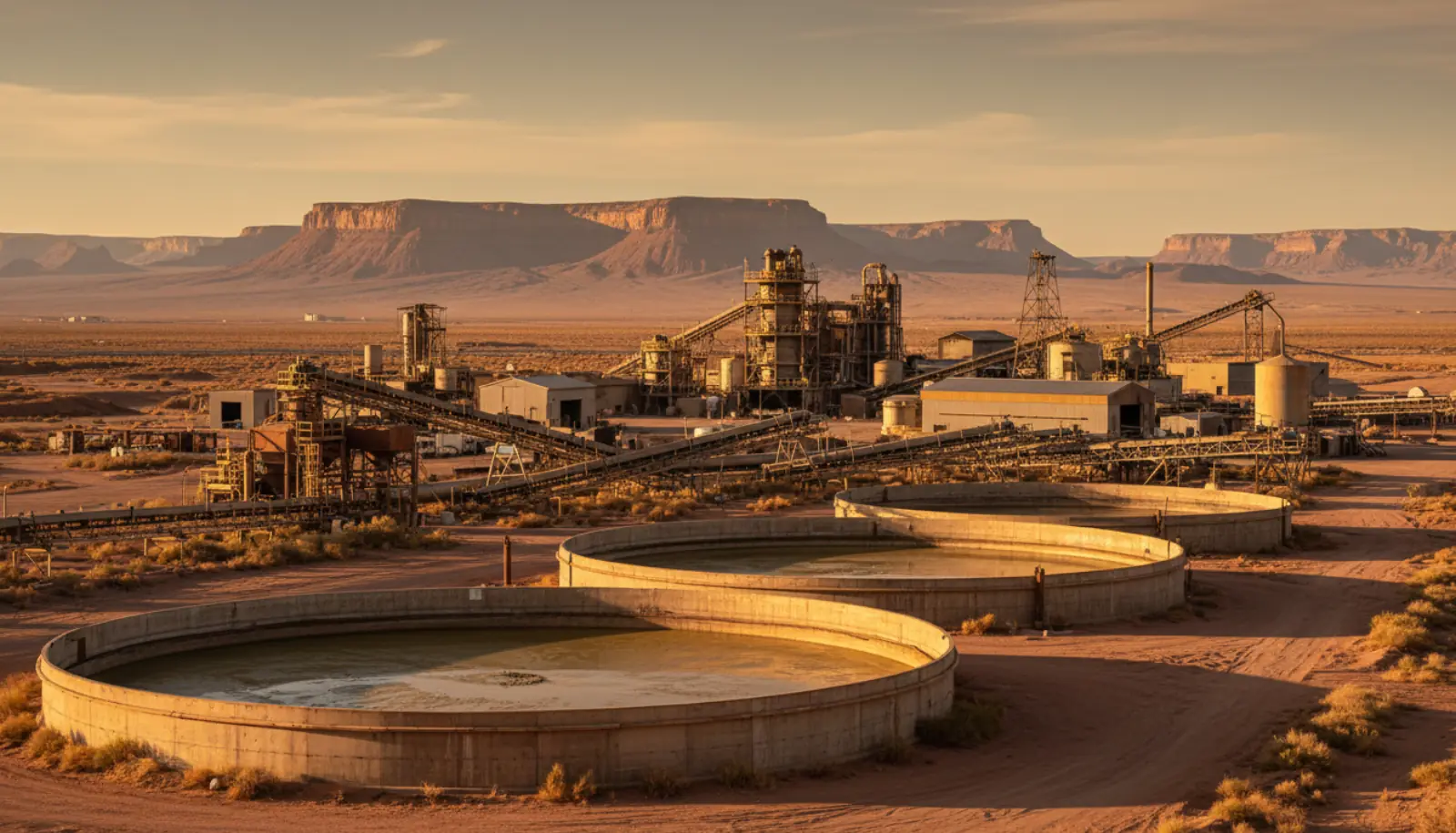
Gold recovery and water treatment both use activated carbon, but they ask opposite things of it. A gold plant needs a hard, strong, high-activity granule that survives weeks of tumbling in slurry without breaking into fines that carry gold away. A water treatment plant needs a carbon whose pore structure suits the contaminants in its water, in a form and size that give the right contact time at an acceptable pressure drop. Buy to the application first, then compare offers on the parameters that matter for it.
This guide covers general principles for procurement managers, plant buyers and traders. It gives no numeric benchmark values because acceptable figures depend on your ore, your water, your equipment and the test method used. For wider background on how carbon is made and classified, read our activated carbon selection guide. Treat this as general guidance, not a process design.
Start with the job, not the datasheet
Before you look at any offer, write down four things.
- What is the carbon meant to adsorb? Gold complexes from a leach solution, organic compounds, taste and odour compounds, chlorine, or something else.
- What is the carbon contact arrangement? Agitated tanks with slurry, fixed beds in vessels, or dosing as a powder.
- How will the carbon leave the system? Regeneration, elution and reactivation, thermal destruction, or one-time replacement.
- What does failure cost? In gold recovery, loss of gold to fines and poor loading. In water, a breakthrough that puts the treated water out of specification.
Those answers decide which attributes to prioritise. A carbon that is excellent for one purpose can be wasteful in another, so a general "high quality" label tells you little.
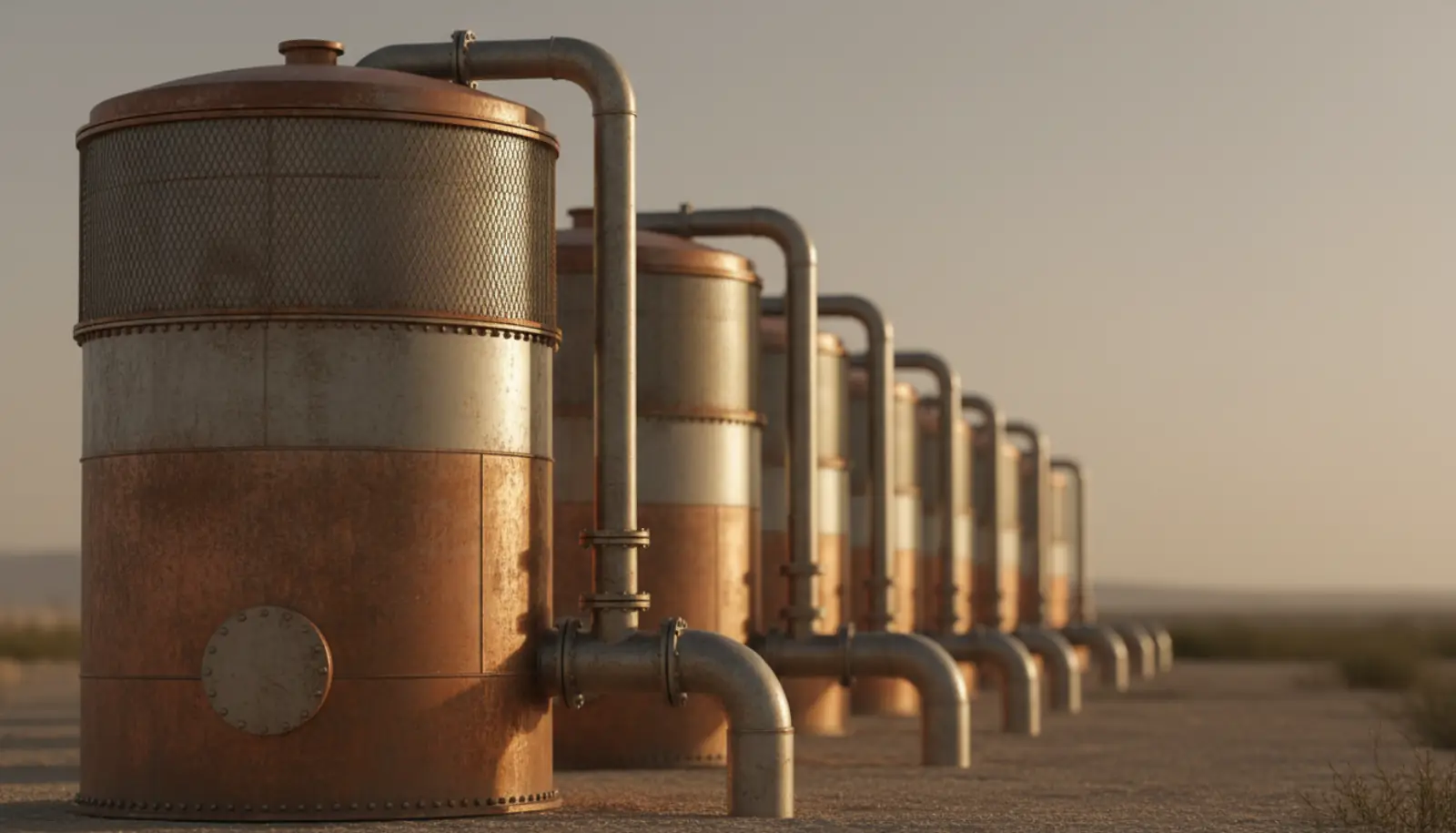
Gold recovery: carbon-in-pulp and carbon-in-leach
How the process works, conceptually
In gold plants, ore is ground, slurried and treated with a leaching solution that dissolves gold into the liquid. Activated carbon then adsorbs the dissolved gold complex from the solution.
- Carbon-in-pulp (CIP) leaches first, then adds carbon in separate adsorption tanks downstream.
- Carbon-in-leach (CIL) adds carbon in the leach tanks themselves, so leaching and adsorption overlap.
In both, carbon moves through a series of tanks in the opposite direction to the slurry. The slurry meets the freshest carbon last, which helps strip the final gold from solution, and the most heavily loaded carbon is taken from the first tank. Loaded carbon goes to elution, where the gold is stripped, and then usually to reactivation before it returns to the circuit. Carbon is screened out of the slurry at each stage, which is why size matters so much.
What gold plants care about
Answer first: hardness and attrition resistance come first, activity second, and particle size must fit the screens.
- Hardness and attrition resistance. Carbon in a slurry circuit is stirred, pumped, screened, eluted and sometimes thermally reactivated. It breaks down through abrasion and impact. Broken carbon becomes fines, and fines that carry gold and escape through the screens are lost gold. Hard carbon with good attrition resistance keeps losses down and lasts longer. This is usually the headline selection criterion.
- Activity. Activity describes how quickly and how much gold the carbon adsorbs. Higher activity can mean faster loading and better recovery, but activity is measured by laboratory tests that do not perfectly reproduce plant conditions. A carbon with marginally higher activity but poor hardness is rarely a good trade.
- Particle size and distribution. The carbon must be coarse enough to be held back by the inter-stage screens and fine enough to keep good surface area and kinetics. Particle size is also a practical mechanical issue: oversize or undersize fractions in a delivery cause screen problems and losses. Match the size range to your screen apertures rather than choosing by habit.
- Raw material. Coconut shell is the preferred base material for most gold recovery circuits because shell-derived carbon is typically hard and has a pore structure that suits gold adsorption. Other raw materials exist, and the right choice depends on the ore and the plant. Make the raw material part of the specification; do not leave it to "or equivalent".
- Behaviour in reactivation. If you reactivate carbon thermally, ask how it holds up over repeated cycles.
- Fouling. Organic and inorganic foulants from the ore and water reduce activity over cycles. The best offer on paper may not be the best in your circuit.
How to buy for gold recovery
- Pilot or trial before committing. Where the order is large or you are changing supplier, run a laboratory test or a plant trial on your own slurry. Datasheet values do not settle how carbon will behave on your ore.
- Fix the specification in the contract (raw material, size range, hardness and activity measures, moisture) and name the test methods.
- Control fines on arrival. Excess fines in the delivered bags are lost recovery before the carbon is even used, so check them as described below.
- Plan for losses. Carbon is consumed through attrition and activity loss. Compare offers on cost in service, not just price per tonne.
Water treatment: granular, powdered and block
Choosing the physical form
- Granular activated carbon (GAC) is used in fixed beds and columns. Water flows through the bed and contaminants adsorb onto the granules. GAC suits continuous treatment, where the bed can run for a long period before replacement or regeneration.
- Powdered activated carbon (PAC) is dosed into the water, left to adsorb, and then removed with the sludge by settling or filtration. PAC suits intermittent or seasonal problems, such as a taste and odour event, because dose can be raised or lowered quickly and there is no capital cost for a bed.
Rule of thumb: constant problem, think GAC; occasional or seasonal, think PAC; tightly regulated use, follow the system designer's specification.
What water treatment cares about
- Contact time. The longer water is in contact with the carbon, the more contaminant is removed, up to a point. In a fixed bed, contact time is set by flow rate and bed volume. A bed that is too small for the flow gives early breakthrough, however good the carbon.
- Adsorption of organics. Carbon adsorbs many organic compounds. Pore structure matters: some pores suit small molecules and others suit larger ones, so carbons differ in what they adsorb well. The precursor material and the activation method shape the pore structure.
- Taste and odour. Many taste and odour compounds are organic and well suited to adsorption. Carbon is widely used for this reason, and PAC is often the response to a seasonal event.
- Chlorine removal. Carbon removes free chlorine through a chemical reaction on its surface as well as by simple adsorption. This is why carbon is used to dechlorinate water ahead of membrane systems or for beverage and process uses. Ask the carbon supplier and the system designer which carbon suits dechlorination in your design.
- Particle size and pressure drop. Finer granules adsorb faster but raise pressure drop and can clog. Coarser granules reduce pressure drop but may reduce performance. Match the grade to the vessel.
- Cleanliness and compliance. For drinking water or food and beverage uses, the carbon may need to meet a recognised standard or certification for that use. Requirements vary by country and application, so confirm what applies with your regulator or system supplier before ordering. Do not assume a general industrial carbon is acceptable.
- Start-up. Backwash and rinse new carbon as the system supplier instructs; fines can affect water quality at start-up.
Bed life, regeneration and replacement
A carbon bed does not fail suddenly; it saturates progressively from the inlet. Eventually contaminants break through into the outlet. The decision then is what to do with the spent carbon:
- Replace the carbon and dispose of the spent material. Simple, and often the right answer for small or low-volume systems.
- Regenerate or reactivate the carbon, usually thermally at a specialist facility, and return it to service. This can be economic for large beds, but there are losses per cycle, logistics costs, and for some uses a regulator or customer will not accept reactivated carbon.
- Use a lead-lag arrangement, with two beds in series, so the lead bed can be run until breakthrough at the outlet of the first, while the second protects the product water. This extends the use of each charge.
Do not guess bed life. It depends on the contaminant, its concentration, flow, temperature and pH, and competition between compounds. Estimate it with a column test or the system supplier's advice, and treat any quoted life as an estimate until your own monitoring confirms it. Spent carbon can carry what it removed, so check the rules for handling and disposing of it.
How to compare offers
Offers arrive as a list of numbers. Each number matters, but only if you understand what it measures and how.
| Parameter | What it indicates, as a concept | What to watch |
|---|---|---|
| Iodine number | A measure of adsorption capacity in the small pores; widely used as a general indicator of activity | Higher is not always better for your job; different methods and bases give different values |
| Hardness (or abrasion number) | How well granules resist breaking in a standardised test | Crucial for gold circuits; check the test method |
| Ash content | The non-carbon mineral residue; related to raw material and washing | Can affect water chemistry, filtration and, in some uses, performance |
| Moisture | Water in the carbon as packed | Affects weight and price; high moisture means you pay for water and may signal poor packing or storage |
| Mesh size and distribution | The size range of the granules or powder | Must match screens or vessel design; ask for the distribution, not only the nominal range |
| Raw material | Coconut shell, coal, wood or other | Affects hardness, pore structure and cost; name it in the contract |
| Pore structure and application-specific tests | How well carbon suits particular contaminants | Often more relevant than iodine alone for water; ask for the tests that relate to your problem |
Five practical rules for comparing:
- Compare on the same basis. Iodine number, moisture and ash are all reported on particular bases and methods. A "dry basis" figure and an "as-packed" figure for the same carbon will differ.
- Ask for the test method. The same property tested two ways can give different results. Name the method in the contract.
- Ask for a batch certificate, not a brochure. A typical datasheet describes the product line; a batch certificate describes your delivery. See the discussion of certificates in our selection guide.
- Compare cost per unit of work. Cost per tonne can mislead. A harder carbon that lasts longer, or a more active carbon that needs smaller doses, can be cheaper in use.
- Do not buy on a single number. A high iodine number with poor hardness suits neither a gold circuit nor a bed that will be backwashed repeatedly.
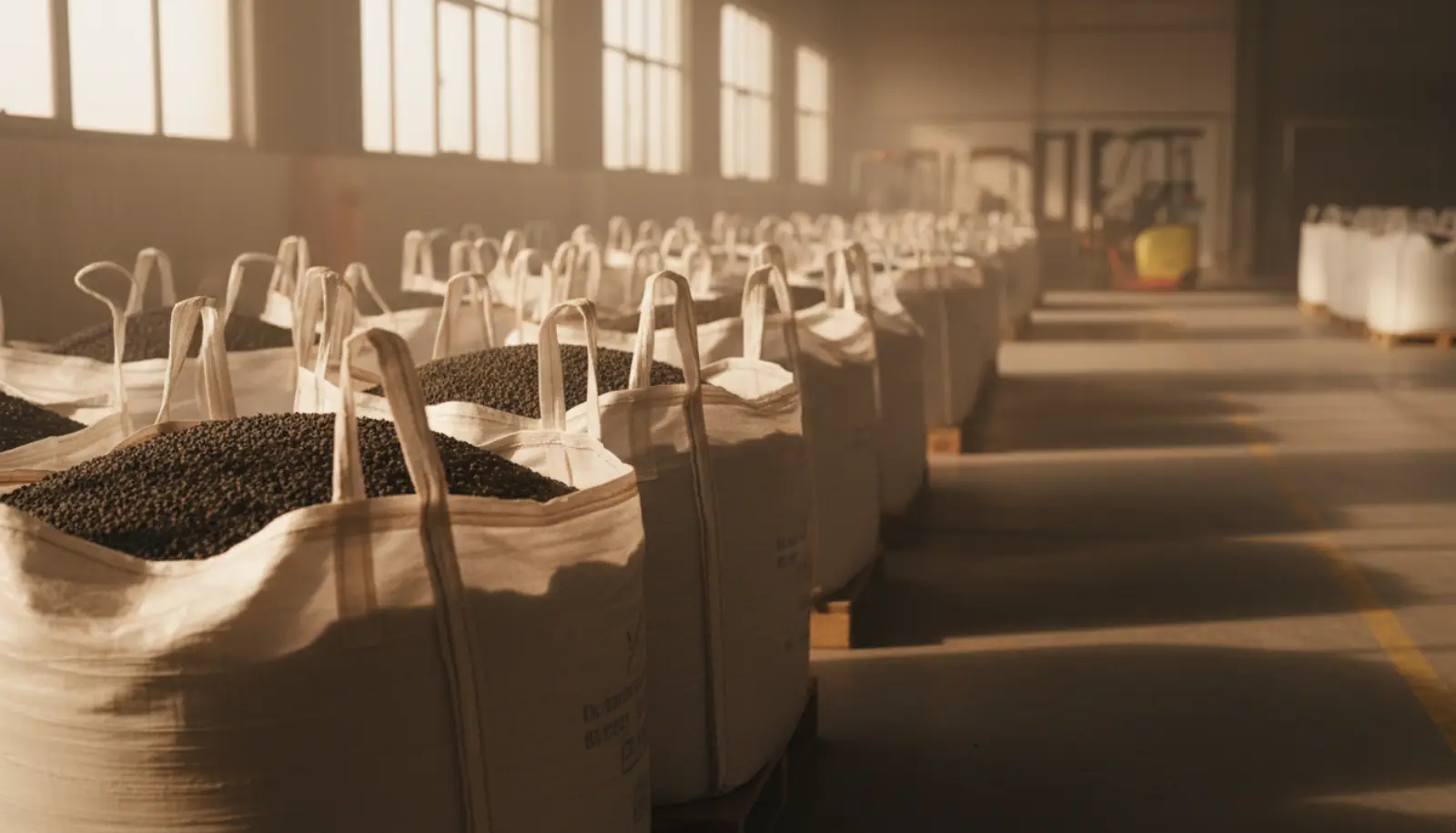
Sampling and testing on arrival
Check carbon on arrival, while you can still raise a claim. A reasonable routine:
- Inspect packaging. Look at bags or bulk bags for damage, wet patches, tears and signs of contamination. Photograph before opening and note the condition on the delivery documents.
- Check marks and quantities. Batch numbers, product names and weights should agree with the paperwork.
- Sample properly. Take samples from several bags or locations, combine and reduce them by a defined method, and keep sealed retained samples. If the contract names an inspector or reference laboratory, follow that. A poorly drawn sample gives a result nobody can rely on.
- Test what matters. At minimum, check moisture, particle size distribution and fines, and, for gold use, hardness. Ask a laboratory to run activity tests if the contract specifies them.
- Compare with the specification and certificate. Record the differences and notify the supplier within the claim period in the contract.
- Act early. Do not load a delivery into service and then complain; proving off-specification carbon afterwards is harder.
Our quality claims and disputes guide explains how to structure a claim, and our polymer resin quality checks article gives a useful parallel on sampling discipline, even though the product differs. For larger orders, Chemineral can arrange SGS or Intertek pre-shipment inspection, which gives independent evidence of quantity and sampled quality before the cargo leaves port.
Packaging and storage
- Keep it dry. Activated carbon adsorbs moisture and other vapours from the air. Wet carbon weighs more, can lose performance and is harder to handle. Store in a clean, dry, covered area, off the floor, away from damp walls and leaks.
- Keep it away from chemicals and vapours. Carbon will adsorb solvents, fuels, fumes and odours, which uses up capacity before it has been used. Do not store near paint, solvents, fuel or process chemicals.
- Handle gently. Rough handling creates fines. Avoid dropping bulk bags or dragging bags on rough floors.
- Control dust. Carbon dust is black, spreads widely and is slippery when wet. Use dust control, housekeeping and respiratory protection as the safety data sheet (SDS) and site rules require.
- Fire precautions. Carbon is combustible, and some types can self-heat, especially in contact with certain materials or when wet and partly spent. Follow the SDS, avoid ignition sources, and do not store loaded or used carbon with fresh carbon.
- Oxygen depletion in confined spaces. This is a serious hazard. Moist or wet activated carbon can remove oxygen from the air in enclosed spaces through adsorption and oxidation reactions, such as inside a vessel, a tank, a container, a hold or a closed room. A space can look and smell normal and still not support life. Do not enter a vessel, tank, container or other enclosed space that has held or contains activated carbon unless it has been tested, ventilated and cleared under your confined-space entry procedure, with appropriate permits, atmospheric monitoring and rescue arrangements. Follow the SDS, the carrier's instructions and local law.
For containers and shipping packs, check packaging type and, where applicable, the transport classification in the SDS. Our guide to dangerous goods shipping covers how to find out whether a cargo needs special treatment.
Common mistakes
- Buying a single number. Iodine number alone tells you little about how carbon will behave in a gold circuit or a water bed.
- Ignoring hardness for gold use. Fines are lost gold, and the cost appears as reduced recovery, not as a line item.
- Unsafe entry. Treating a space containing carbon as safe because it feels normal. Follow the confined-space procedure every time.
- Vague contracts. No test method, no sampling procedure, no claim period. See the key clauses guide for a model of how to set these out.
Frequently asked questions
Why is coconut shell carbon preferred for gold recovery?
Coconut shell carbon is typically hard, with good attrition resistance, and its pore structure suits gold adsorption. That keeps fines, and therefore gold losses, down. Other raw materials can work in some circuits, so confirm by trial on your own ore.
Is a higher iodine number always better?
No. Iodine number is a general indicator of adsorption capacity in the small pores. It says nothing on its own about hardness, particle size or how well the pores suit your contaminant. Use it with the other parameters and with a trial.
Should I use granular or powdered carbon for water treatment?
Granular carbon suits continuous treatment in fixed beds. Powdered carbon suits intermittent or seasonal problems, because you can adjust the dose and there is no bed to build. The right choice depends on your plant and the water, so ask the system designer.
How long will a carbon bed last?
It depends on what is in the water, the concentration, the flow, the contact time and the temperature, so no general figure is reliable. Estimate it with a column test or the system supplier's advice, then confirm with monitoring data from your own plant.
Is reactivated carbon as good as new?
Not necessarily. Reactivation can restore much of the activity, but each cycle involves some losses and changes in hardness or pore structure. Some uses, particularly in food, beverage and drinking water, may restrict reactivated carbon, so check with the regulator or the end customer.
Why is it dangerous to enter a container or tank holding activated carbon?
Moist carbon can remove oxygen from the air in enclosed spaces, so the atmosphere may not support life even when it seems normal. Test, ventilate and follow your confined-space entry procedure before anyone enters, and read the SDS.
Next step
If you are specifying activated carbon for a gold circuit or a water treatment system and want to discuss sizes, packaging, inspection and shipping from Sohar or Salalah, send an RFQ through our contact page. For the product range, see activated carbon. Include the application, raw material preference, size range, packaging and the test methods you want applied, and the trade desk will come back with a firm offer valid for 72 hours.
Our trade desk can turn the views in this report into firm offers on today's indicative prices — valid 72 hours, with complete documentation.
Request a quote