Import Permits and Registration for Chemicals, Fertilisers and Polymers
What importers should check before buying chemicals, fertilisers and polymers from abroad: permits, product registration, dangerous goods, customs, labelling, inspection and timelines, as questions to ask.
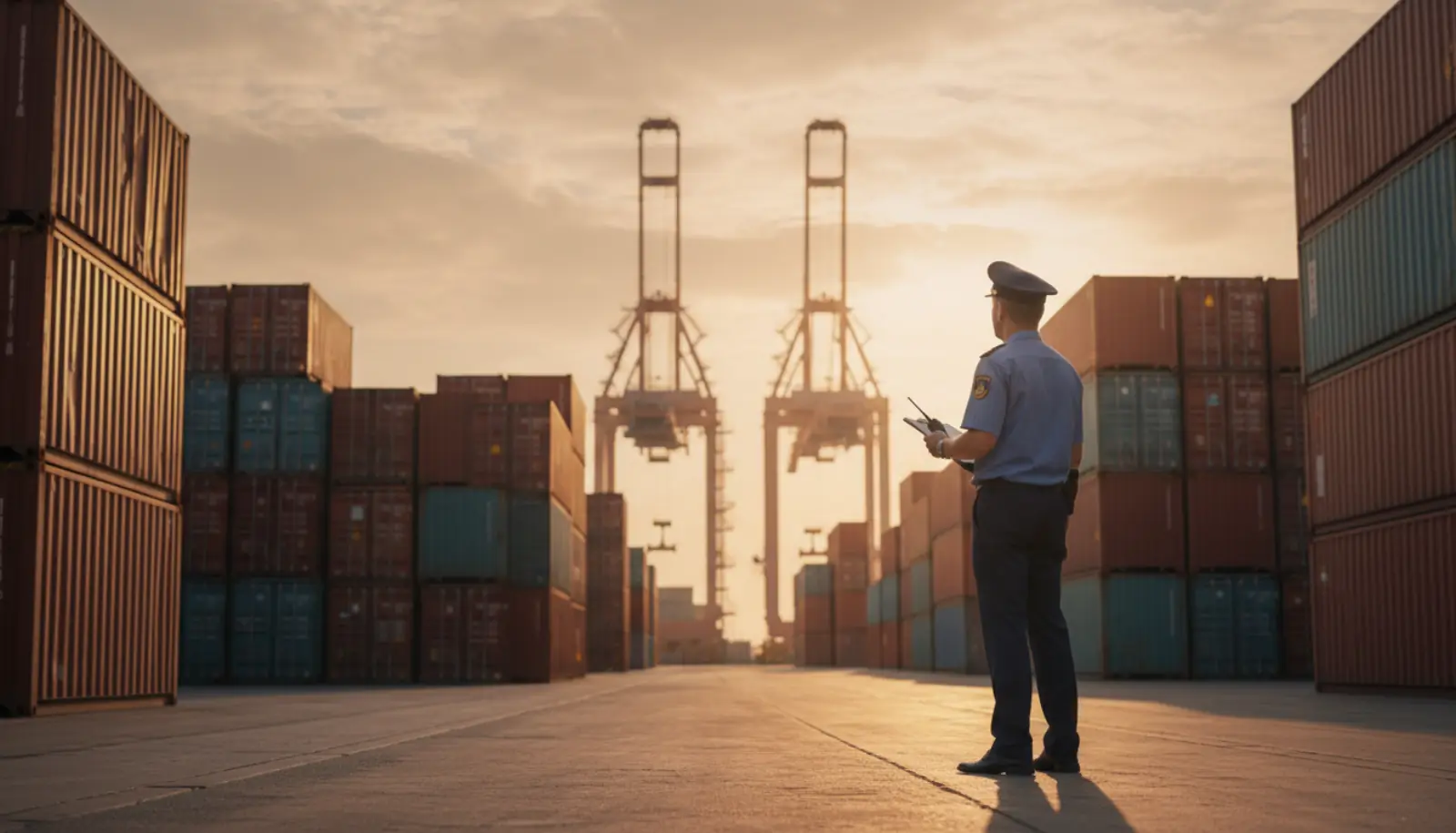
Before you commit to buying chemicals, fertilisers or polymers from abroad, find out whether you are allowed to import that product, in that form, through that port, and what the paperwork must say. Import rules differ by country and by product, they change, and a cargo that arrives without the right permit can be held, returned or destroyed at the importer's cost. The cheapest time to find this out is before the contract is signed.
This guide sets out, in general terms, the areas an importer should check and the questions to put to a customs broker and the relevant authority. It does not state any country's rules, fees or timelines, because those vary and change, and this is not legal advice. Confirm the current position for your product with a licensed customs broker, the competent authorities and, where the stakes justify it, local counsel.
Why import compliance is the buyer's job
In most trades the importer is the party responsible to the authorities in the destination country. Under an FOB, CFR or CIF contract the seller exports the goods and delivers the shipping documents, but the importer clears them through customs and carries the legal duty to hold any required permit. A seller can supply a certificate of analysis and a safety data sheet. It usually cannot hold your licence, register the product in your name or decide your classification.
That has a commercial consequence. If the contract does not make the delivery of a particular document a seller obligation, a gap on the buyer's side is the buyer's problem, and demurrage and storage charges accrue while it is fixed. Put the permit questions in your RFQ and decide, before signing, who must supply which paper and by when.
Rules differ by country and by product
Two products shipped on the same vessel to the same port can face very different regimes. A polymer pellet, a corrosive liquid, a granular fertiliser and a bituminous product may be handled by different authorities, each with its own forms. The same product can also be treated differently depending on:
- Form and grade. Solid or liquid, bagged or bulk, technical or fertiliser grade.
- End use. Industrial, agricultural, food-contact, construction or consumer use.
- Concentration or purity. A product above or below a threshold may fall into a different category.
- Origin and routing. Some regimes treat goods differently by country of origin or by the countries through which they pass.
- Importer type. A registered manufacturer, a distributor and a trader may have different obligations, and some authorities only deal with locally established importers.
Do not assume that because a neighbouring country allows a product, yours does, or that because you imported it last year, the position is unchanged. Treat every country and every product as a fresh question.
Import licences and permits
Some countries require a licence or permit for specific products, specific quantities or specific importers. Others require none for ordinary goods but impose them for products seen as sensitive, such as those with dual-use potential, or those that can be diverted for illicit purposes. Others use a registry of approved importers.
Questions to ask:
- Is an import licence, permit or approval needed for this product, and what is the authority that issues it?
- Does it apply to the product, the importer, or each shipment?
- Is it valid for a set period, a set quantity or a single consignment, and can it be extended?
- Does the licence need to be in place before the goods are shipped, before they arrive, or only before clearance?
- Can a trader or a foreign company apply, or must a locally registered business hold it?
- Is the permit tied to a named supplier, a named port or a named end user?
- What documents are filed with the application, and does any of them need the seller's input (for example a safety data sheet, an analysis or a letter from the producer)?
Beware of any intermediary who offers to "arrange" a licence for a fee without explaining which authority issues it. A permit should be traceable to the issuing authority.
Product registration and notification for chemicals
Many jurisdictions maintain a chemical inventory or notification system. In general terms, such systems require that a substance, or the mixture containing it, is registered, notified or otherwise declared to a regulator before it is placed on the market or imported above a stated quantity. Responsibility often falls on the importer, or on a representative appointed by the foreign producer.
This is where many first-time importers are caught out. The supplier's certificate shows the product meets a specification; it does not show the product is registered where you are importing it. Ask:
- Is this substance, or the polymer, covered by a registration, notification or inventory system in the destination country?
- Who must register: the importer, the foreign producer through a local representative, or both?
- Is there a tonnage threshold below which obligations are lighter or absent?
- Are polymers treated differently from monomers and additives? Some systems exempt or simplify certain polymers, but the conditions vary and the importer must check.
- What information will the authority need from the producer, such as composition, hazard data and the identity of impurities and additives, and is the producer willing to share it, possibly under confidentiality arrangements?
- How long does registration or notification take, and can goods be imported while it is pending?
- Is there a list of restricted or banned substances that could include the product or an ingredient?
If the producer needs to disclose a confidential formulation, discuss it early. Registration can be slow and a seller may be unwilling to share composition without a confidentiality agreement.
Fertiliser and agricultural registration or quality rules
Fertilisers are often regulated separately from industrial chemicals because they touch food production, soils and, in some cases, security. Typical areas include:
- Product registration or approval. Some countries require each fertiliser product or brand to be registered with the agriculture authority before it can be sold.
- Quality and composition standards. The nutrient content, form, moisture and permitted contaminants, such as heavy metals, may be set by regulation, and labels may need to match.
- Import quotas, licences or state purchasing arrangements. In some markets fertiliser imports are controlled or channelled for policy reasons.
- Sampling and testing on arrival. The authority or a designated laboratory may sample and analyse imported cargo before release.
- Safety and security rules. Some fertilisers are treated as potential explosive precursors or oxidisers, with storage, transport and licensing conditions.
- Subsidy and distribution rules. Where fertiliser is subsidised or distributed through a state channel, an ordinary commercial import may face extra conditions.
Questions to ask: does this exact grade need registering; what specification does the authority apply, and what happens if the cargo tests slightly outside it; which laboratory is accepted; and does the product need a licence from a security or interior authority as well as the agriculture ministry? See our guides to urea specification and bagged versus bulk fertiliser shipping for the product side.
Dangerous goods and transport permits
Some products in these categories are dangerous goods for transport. Classification depends on the substance, its form and its concentration, and it determines packaging, marking, documents, stowage and sometimes the ports and vessels that can handle the cargo. A strong caustic solution, for example, is treated differently from a polymer pellet, and the position of a given fertiliser or sulphur grade depends on its exact composition and form.
Check with the supplier and the carrier whether the cargo is classified for sea transport and on what basis, and then check the destination:
- Does the destination country apply the same classification, or additional national rules for road, rail or storage?
- Is a permit, licence or notification needed to move dangerous goods on inland roads or through the port?
- Do the port, terminal or warehouse accept this class, and do they need advance notice?
- Are there vehicle, driver or packaging requirements for the inland leg?
- Who is the registered consignee or declarant for the dangerous goods documents?
Our dangerous goods shipping guide covers classification and documents on the shipping side. Assume that an error here can lead to a refused booking, a detained container or a fine.
Customs classification and valuation
Every cargo is declared under a tariff code, and the code drives the duty, the taxes, the permits and sometimes the right to import at all. Our HS code guide explains how the harmonised system works. The first six digits are internationally harmonised; countries add national digits, and the duty and permit rules attach to the national code.
Points to check:
- Which code will customs apply? The code on the seller's invoice is a suggestion. The importing country's customs decides. A wrong code can cause a different duty rate, a missing permit or a penalty.
- Advance rulings. Some customs authorities issue binding classification rulings in advance. Ask whether one is available and worth obtaining for a repeat or high-value import.
- Duties and taxes. Which duty rate, any additional or anti-dumping duties, and which taxes apply, and how and when they are paid.
- Valuation. Many customs systems value goods using the transaction value, adjusted for items such as freight and insurance. Ask whether duty is assessed on a CIF-type value in your country, which affects how the Incoterm changes your landed cost, as explained in our Incoterms guide.
- Preferential duty. If a trade agreement could reduce duty, find out what proof of origin is needed; see our certificate of origin guide.
- Consistency. The description, quantity and value on the invoice, bill of lading, packing list and import declaration should agree.
Labelling and safety data sheets
Many countries require hazard information to be provided to users in a set format, often built on the UN Globally Harmonized System (GHS) of classification and labelling, though each country adopts it in its own way and on its own timetable. Local rules may set:
- Language. The label and the safety data sheet (SDS) may have to be in the local language or one of the official languages.
- Format. A specific SDS structure, with named sections, and specific label elements such as pictograms, signal words and hazard statements.
- Local details. The importer's name and address, an emergency telephone number reachable in the destination country, or a local registration number.
- Packaging marking. Net weight, batch or lot number, production date and country of origin, on each bag, drum or tote.
- Bag and bulk requirements. Whether bulk cargo needs documentation in place of labels.
Ask the producer for the SDS in the format your market uses, and check that it matches the product's actual classification. For polymers, ask whether an SDS is required for non-hazardous goods, as practice differs. Allow time: translation and relabelling at the port is expensive and may not be permitted.
Pre-shipment inspection and conformity requirements
Some countries require goods to be inspected or certified before shipment, or to be accompanied by a certificate of conformity from an approved body. Others check quality on arrival instead. The requirement may depend on the product, the value, the country of origin or the importer.
Questions to ask:
- Does the destination require a pre-shipment inspection, a certificate of conformity or a similar document for this product?
- Which companies or schemes are approved to issue it, and must the inspection occur before loading?
- Who orders and pays for it, the buyer or the seller?
- What does the inspector check: quantity, quality, price, classification, or all of these?
- Is there a validity period, and what happens if loading is delayed past it?
- Does the certificate need to be presented to the bank, the customs authority or both?
Chemineral offers SGS or Intertek pre-shipment inspection. If your country names a particular approved inspection body, tell the trade desk at the RFQ stage, because it may not be the same as the inspector you would otherwise use. A contract that names the wrong body can leave the buyer with a certificate its customs will not accept.
Port and storage permits
Clearing customs is not the end. The cargo must be discharged, stored and moved. Check:
- Does the discharge terminal accept this product and this class, and does it have the tanks, silos or shed space available?
- Is the port or terminal permitted to handle the cargo, and does it need advance approval?
- If you are storing the cargo, does the warehouse or tank farm hold the permits for that product, including fire, environmental and dangerous goods licences?
- Are there restrictions on how long cargo can remain in the port before storage charges or penalties begin?
- Does the final delivery site need an environmental or operating permit?
- Can the cargo be moved under bond or transit to an inland location?
Port delays turn into demurrage and detention costs. Our laytime and demurrage guide explains how time counts for vessels; container shipments have their own detention rules at the carrier's tariff.
Timeline planning
Plan the permit work as a critical path, not a task to finish "in the meantime". Registration, licence and approval timelines are set by the authorities and can be long or unpredictable. Do not take a figure from a colleague or a broker's passing remark as fixed; ask the authority or have the broker confirm in writing.
A practical sequence:
- Before the RFQ. Confirm that the product can be imported at all, and note the authorities and licences involved.
- During negotiation. Put the document list in the contract: who supplies which certificate, what the specification and test methods are, and the deadline.
- Before the contract is signed. Check whether registration or a licence must be in place before shipment. If yes, make the contract conditional on obtaining it, or make shipment dates run from the date it is granted.
- Before loading. Check that every document will match, including names, descriptions, quantities and codes.
- While the vessel is at sea. Pre-lodge the customs declaration if permitted, and book transport and storage.
- On arrival. Have the originals or release arrangements ready, and keep records.
Build slack into the plan, and avoid fixing a shipment window before you know the permit is in hand. Our export shipping documents guide lists the shipping side of the paperwork.
Questions for your customs broker and the authority
Take this list to your first meeting and ask for the answers in writing.
To the customs broker
- What tariff code will customs apply to this product, and is an advance ruling available?
- What duties, taxes and fees apply, and on what value?
- Which permits, licences or registrations are needed, and from whom?
- Which documents must accompany the goods, in which language and in how many originals?
- Is inspection or sampling likely on arrival, and by whom?
- What are the realistic clearance steps, and what usually causes delay?
- Which ports and terminals can handle this product?
To the regulatory authority
- Is the product subject to registration, notification or licensing, and under what conditions?
- Who is the responsible party, and can a foreign producer or trader apply?
- What information, tests and fees are required, and what are the stated processing times?
- Are there quality or composition limits that the cargo must meet?
- Are there labelling, SDS or language requirements?
- What happens if the cargo arrives before approval, or fails a test?
Frequently asked questions
Does the seller handle my import permits?
Usually not. The importer is normally responsible for clearing the goods in the destination country and holding any required permit. The seller supplies the export documents and product information, but the contract should state which documents it must provide and when.
Do polymers need chemical registration?
It depends on the country and the polymer. Some regimes exempt or simplify certain polymers, while others require notification. Do not assume. Ask the competent authority or your broker, and ask the producer for composition information in case it is needed.
What happens if my cargo arrives without the required permit?
The authority may hold, return or seize it, and fines may apply. Storage and demurrage accumulate while the problem is fixed. This is why permits should be confirmed before shipment, and why the contract should say who bears delay cost.
Is the HS code on the supplier's invoice binding?
No. It is a starting point. The destination customs authority applies its own classification, and the national digits and duty rate may differ from the exporter's code. Confirm with your broker.
Do I need an SDS in the local language?
Many countries require it, and some require a specific format. Check before shipment and ask the supplier for a compliant version, because relabelling or translating after arrival is slow and may not be accepted.
How long do permits and registrations take?
It varies widely and cannot be predicted from outside. Ask the authority for its stated processing time, treat any quoted figure as unconfirmed until it is in writing, and build slack into the shipment window.
Next step
If you are planning a purchase from Sohar or Salalah and want to confirm the documents, inspection and product information your authorities will ask for, send your RFQ to the Chemineral trade desk.
Our trade desk can turn the views in this report into firm offers on today's indicative prices — valid 72 hours, with complete documentation.
Request a quote