Pallets and Wood Packaging in Export: ISPM 15, Pallet Choice and What Importers Should Check
Why wooden pallets and dunnage can stop a shipment at the border, what the ISPM 15 mark means, which materials are exempt, how to choose pallets for bags and drums, and what to write into your order.
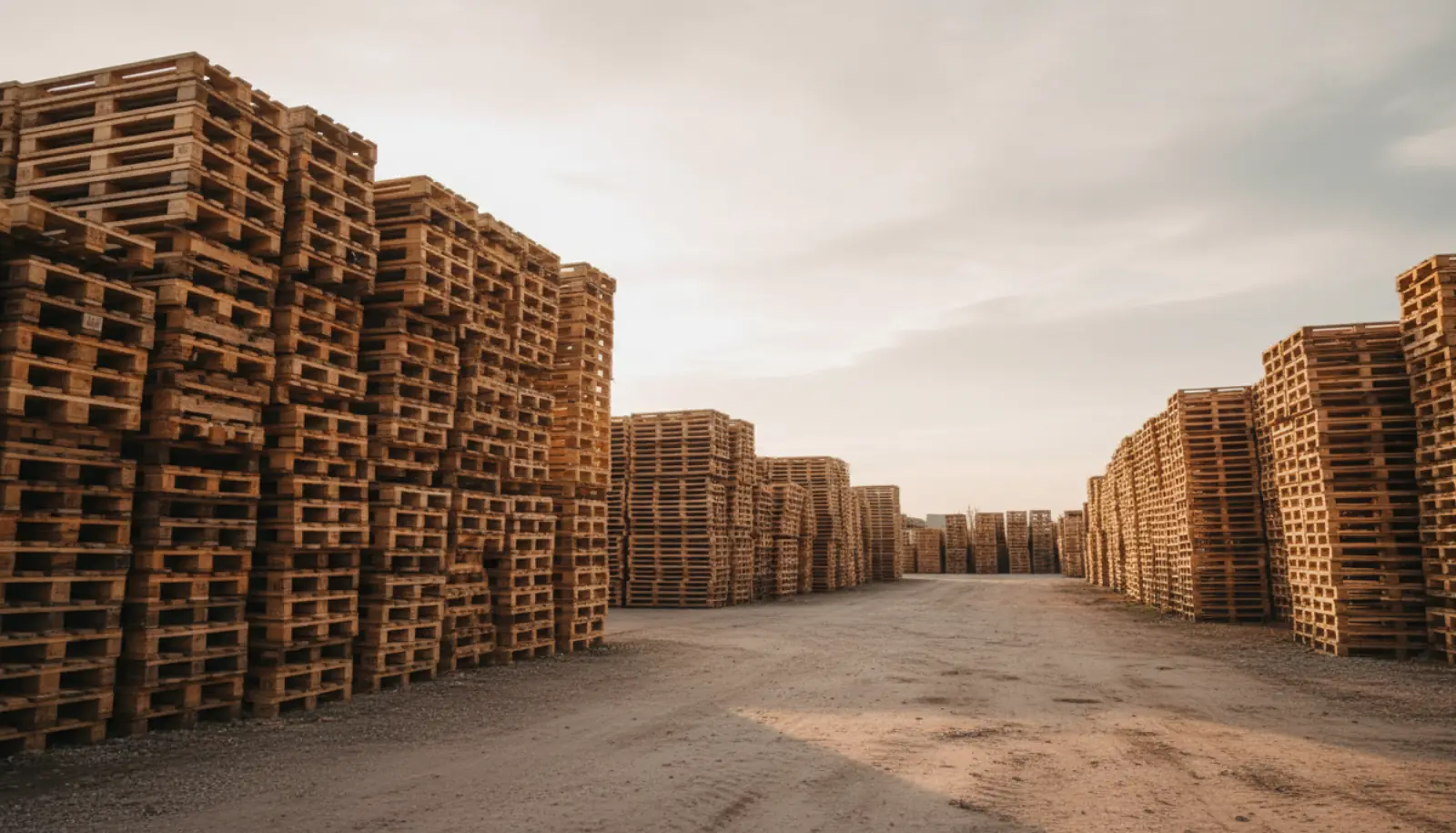
A container of polymer bags can be perfectly on specification, correctly documented and fully paid for, and still be held at the port because of the wood underneath it. Wooden pallets, crates and dunnage are regulated in international trade, because untreated wood can carry insects and diseases that damage forests. An inspector who finds unmarked or infested wood can order treatment, re-export or destruction, and the importer usually pays.
This guide explains the rules on wood packaging in general terms, what the mark on a compliant pallet means, which materials fall outside the rules, how to choose pallets for bagged and drummed goods, and what to ask your supplier. It is general guidance. Plant health rules are set by each country and change over time, so confirm current requirements with your customs broker or plant health authority before shipping. For loading and packing containers, see our guide to container shipping for polymers, and for permits more broadly, see import permits and registration.
Why wood packaging is regulated
Answer first: raw wood can carry live pests. Wood packaging travels everywhere, is reused many times and is rarely inspected as closely as the goods, so it is an efficient way for pests to cross borders. The rules exist to stop that.
The international standard that most countries apply is known as ISPM 15, short for International Standards for Phytosanitary Measures No. 15, issued under the International Plant Protection Convention. It sets out how wood packaging used in international trade must be treated and marked. Countries adopt it into their own regulations, sometimes with additional requirements, and their plant health or customs services enforce it at the border.
The rule is about the packaging, not the product. It applies whether the cargo is chemicals, machinery or anything else.
What the standard covers
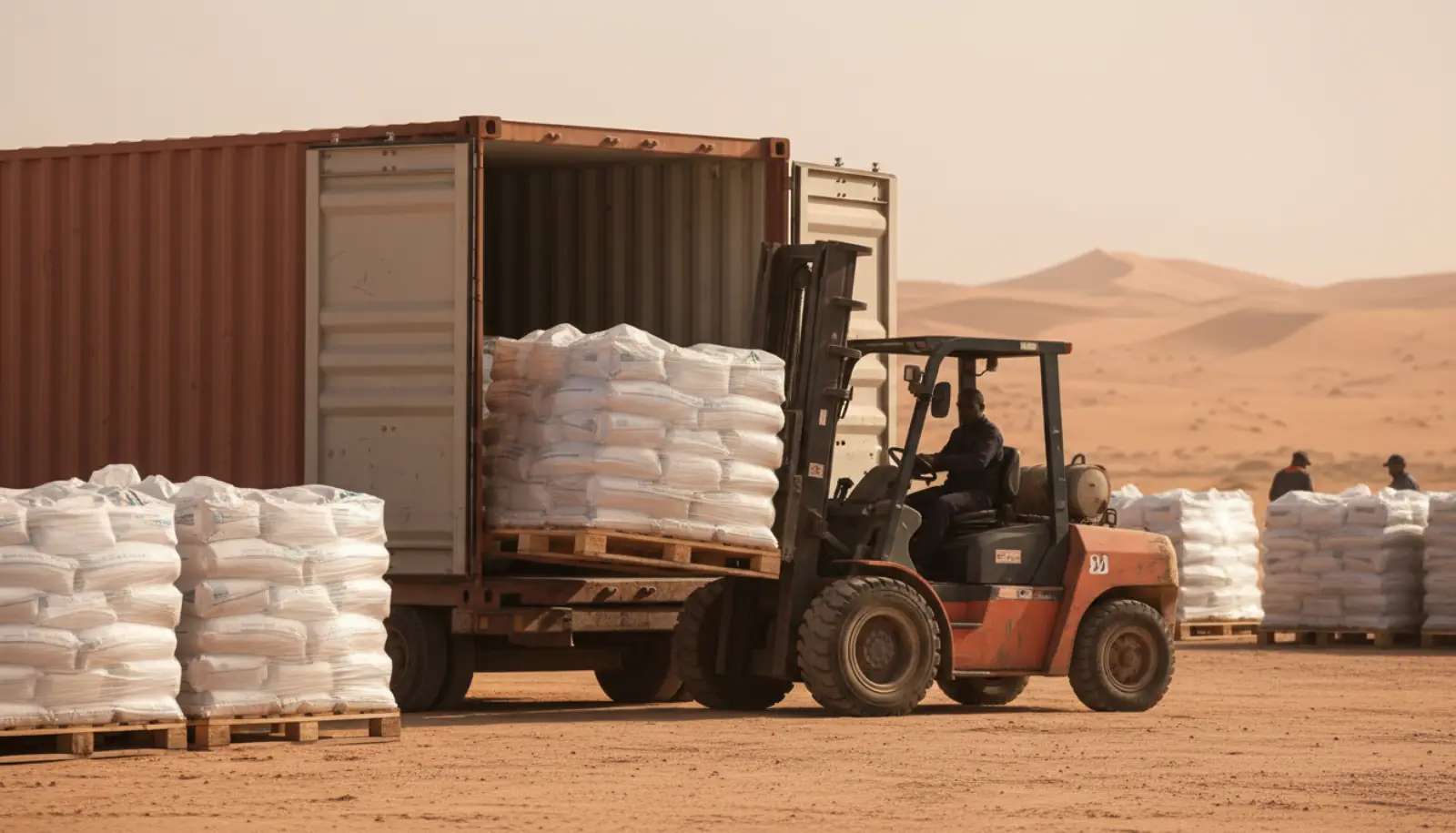
Answer first: it covers packaging made from raw, solid wood above a small thickness, including pallets, crates, boxes, drums, reels and loose dunnage used to block and brace cargo.
Typically covered
- Pallets and skids made of solid timber.
- Crates, boxes and cases made of solid wood.
- Dunnage: loose timber used to support, separate or secure cargo in a container or hold.
- Wooden collars, load boards and spacers.
- Cable reels and similar items made of raw wood.
Typically exempt
- Packaging made entirely of processed wood material, such as plywood, particle board, oriented strand board and veneer, which is made using glue, heat or pressure.
- Wood packaging made entirely of thin wood, under a small thickness threshold set by the standard.
- Sawdust, wood shavings and wood wool.
- Barrels for wine and spirits that have been heated during manufacture.
- Non-wood packaging: plastic, metal, cardboard and so on.
Mixed items need care. A plywood box on solid timber runners still contains regulated wood, and the solid parts must comply. Check the current text of the standard and your destination country's rules for the exact thresholds and exemptions.
How wood is made compliant
Answer first: the wood is debarked, treated by an approved method and stamped with an official mark by an authorised producer or treatment provider.
Approved treatments
The standard lists the treatments that are accepted. The most common is heat treatment, in which the wood is heated until its core reaches a specified minimum temperature for a specified minimum time. The figure usually quoted is 56°C for 30 minutes, but rely on the current standard and the certified provider, not on a number from memory. Other listed treatments include fumigation with methyl bromide, which many countries have restricted or banned for environmental reasons, and newer methods such as dielectric heating. Which treatments a country accepts can differ, so check the destination.
Debarking
The wood must be debarked, with only small remnants of bark allowed within set limits. Bark can shelter pests and lets them re-infest treated wood.
Authorised producers
Only producers and treatment providers authorised by their national plant protection organisation may apply the mark. They are audited, and their code appears in the mark so the packaging can be traced back to them.
Reading the mark
Answer first: a compliant item carries a permanent, legible mark with the IPPC symbol, a country code, a producer or treatment provider code and a treatment code.
A typical mark contains:
- The IPPC symbol, a stylised ear of wheat, on the left.
- A two-letter country code for the country where the wood was treated.
- A unique code for the producer or treatment provider, issued by the national authority.
- A treatment code, such as HT for heat treatment, MB for methyl bromide or DH for dielectric heating.
Practical points:
- The mark should be visible, preferably on at least two opposite sides of the item.
- It must be permanent and not transferable. Stamps and brands are normal. Hand-drawn marks and tags are not.
- Red and orange are generally avoided, because those colours are used for dangerous goods labels.
- Every regulated piece needs to be compliant. Loose dunnage should be marked on each piece, which is difficult when timber is cut to length on site, so use pre-marked dunnage cut from marked stock or use non-wood alternatives.
- A mark is not a guarantee of pest freedom. Inspectors who find live pests or signs of infestation can still act, mark or no mark.
A mark normally replaces a phytosanitary certificate for the packaging. Some countries nonetheless ask for extra declarations or documents, so check.
Repaired, reused and remanufactured pallets
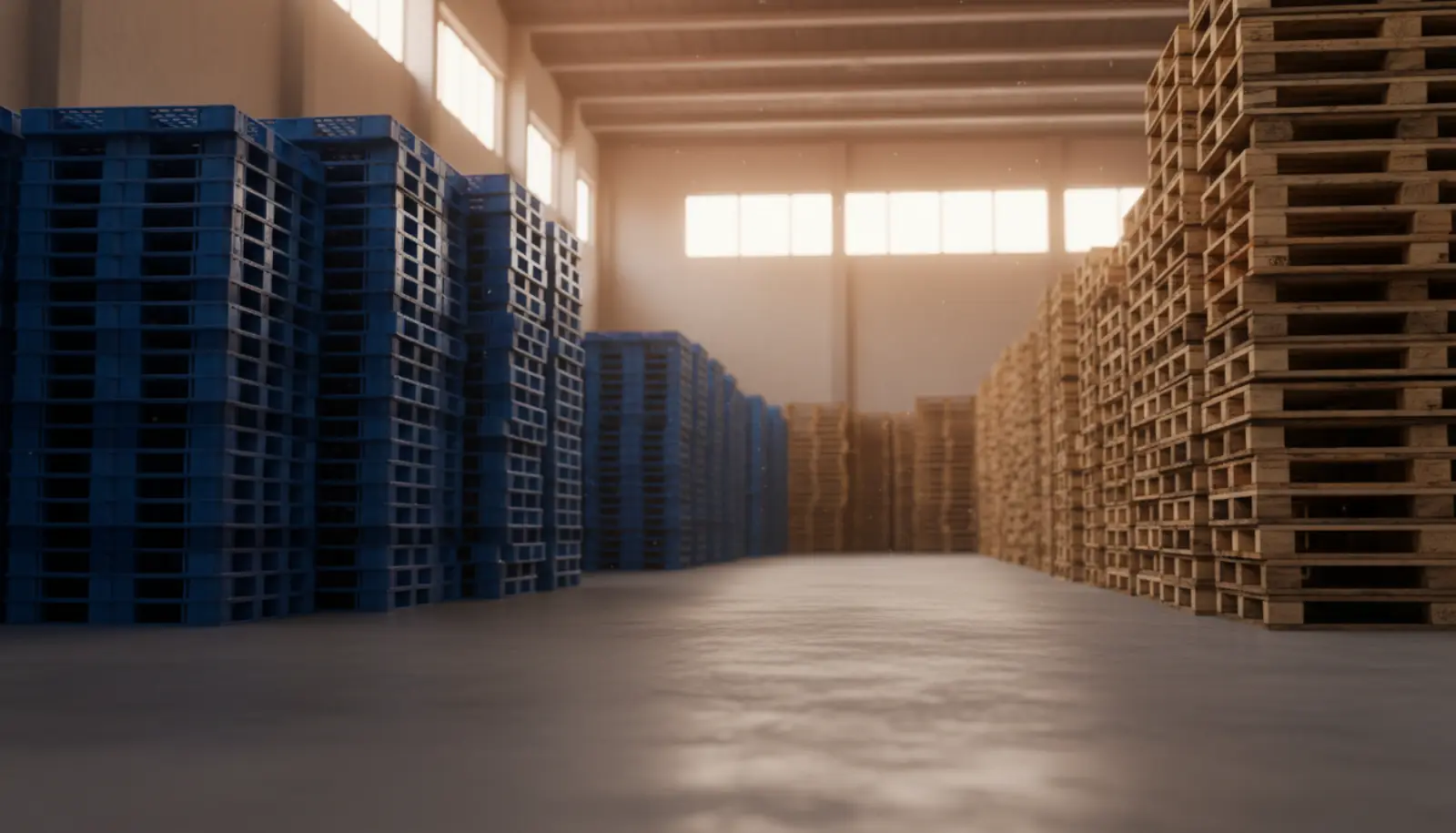
Answer first: reuse is allowed, but repairs must use treated wood, and heavily rebuilt pallets need to be re-treated and re-marked.
- Reused without repair. A marked pallet that is intact can generally be reused without re-treatment.
- Repaired. If a limited proportion of components is replaced, the new pieces must be treated wood, and each added piece is usually marked. Where a larger share is replaced, the whole unit is normally re-treated, old marks removed and a new mark applied.
- Remanufactured. Pallets built from dismantled components must have old marks removed, be re-treated and re-marked.
The risk for an importer is a second-hand pallet of mixed history carrying an old or partial mark. If the origin of the pallets is unclear, ask for new, marked pallets, or a declaration from an authorised provider.
What happens when wood packaging fails inspection
Answer first: the authority can order treatment, removal and destruction of the packaging, or re-export of the whole consignment, usually at the importer's cost, with delays that trigger further charges.
Typical consequences include:
- Inspection delay while the cargo is held.
- Treatment on arrival, such as fumigation or heat treatment, where facilities exist and the authority allows it.
- Separation and destruction of the wood, which means the goods must be unloaded and repacked.
- Re-export or refusal of entry for the consignment.
- Costs. Fees for inspection, treatment, handling and storage, plus container demurrage and detention while the clock runs. See our guide to container demurrage and detention.
- Penalties in some jurisdictions.
For a low-margin commodity, these costs can exceed the profit on the shipment. Who bears them between buyer and seller depends on the contract, so it is worth a line in the order.
Choosing pallets for bagged and drummed goods
Compliance is only one part of the choice. A pallet also has to carry the load safely through several lifts and a sea voyage.
Size and container fit
Pallet footprints vary by region. Common sizes include 1200 by 1000 millimetres, 1200 by 800 millimetres and 48 by 40 inches. The footprint decides how many pallets fit in a container and how much floor is wasted. Ask your supplier for a loading plan that shows the pallet size, the number per container and the stack height, and check that it suits your warehouse racking and handling equipment.
Strength and construction
- Load rating. The pallet must suit the weight on it, both when static and when lifted. Bags of polymer or mineral and drums of liquid are heavy.
- Deck coverage. Bags sag through wide gaps between boards, which damages the bottom layer. Close-boarded decks or a slip sheet help.
- Entry. Four-way entry pallets can be lifted from any side, which helps in tight containers and warehouses.
- Condition. Protruding nails, splinters and broken boards tear bags and injure people.
- Moisture. Wet timber transfers moisture to bags and encourages mould in a closed container. Ask for dry pallets, and see the condensation advice in our container shipping guide.
Stability of the load
- Bag pattern. Interlocked layers are more stable than column stacks.
- Stretch wrap or hood. Holds the load together and gives some protection from dust and moisture.
- Corner boards and straps for heavy or tall loads.
- Overhang. Bags or drums that overhang the pallet edge are easily damaged.
- Drums. Should sit fully on the deck, be strapped or wrapped together, and not overhang.
Good palletising reduces handling loss and claims. Our guide to quality claims and disputes shows why evidence of packing condition matters.
Chemical compatibility and cleanliness
Pallets that have carried other goods may be contaminated with residues, oils or odours. For food-contact packaging materials, sensitive polymers or regulated products, specify new or clean pallets. For corrosive or hazardous products, consider how a leak would interact with the pallet, and follow the dangerous goods packing rules. See dangerous goods in shipping chemicals.
Alternatives to solid wood
Answer first: if wood rules or pallet quality are a recurring problem, non-wood or processed-wood options remove the phytosanitary risk, each with trade-offs.
| Option | Advantages | Things to consider |
|---|---|---|
| Plastic pallets | No ISPM 15 treatment, clean, consistent, no nails | Higher cost, may be slippery, recovery or disposal |
| Presswood or moulded pallets | Exempt as processed wood, nestable, light | Lower load ratings, sensitive to moisture |
| Plywood pallets | Exempt when wholly processed wood | Check that no solid timber parts are included |
| Metal pallets | Strong, durable | Heavy and costly, usually for closed loops |
| Cardboard pallets | Light, recyclable | Limited strength, sensitive to water |
| Slip sheets | Almost no space or weight | Need push-pull attachments on forklifts at both ends |
| Palletless loading | Maximises container payload | Slower unloading, more handling and labour |
| Big bags with lifting loops | Can be handled without pallets | Need suitable equipment and stable stacking |
For bulk bags and bag sizes, see our guides to bagged versus bulk fertiliser shipping and bitumen packaging options.
Dunnage and bracing
Loose timber used to block and brace cargo is the most common source of non-compliance, because it is added at the last minute by whoever loads the container. Options include:
- Pre-marked, treated timber cut from marked stock, with each piece carrying a mark.
- Inflatable dunnage bags to fill gaps.
- Strapping and lashing systems fixed to the container's lashing points.
- Cardboard or honeycomb void fillers.
- Plastic or composite chocks for drums.
Tell your supplier or loading contractor which method you expect, and ask for photographs of the loaded container before the doors are closed.
A worked example, for illustration only
This is an invented case to show how a small oversight grows. It is not an account of a real shipment.
An importer orders several containers of bagged resin on pallets. The supplier's regular pallets are heat treated and marked. On loading day the warehouse runs short and tops up with a few second-hand pallets from another source, and the loaders wedge the last row with offcuts of timber from the yard. Nobody photographs the load.
At destination, a plant health inspector opens one container, sees unmarked timber wedges and two pallets with no mark, and holds the whole consignment. The authority requires the regulated wood to be removed and destroyed. Every container has to be moved to an approved facility, unloaded, the cargo transferred to compliant pallets and the wood disposed of. While this is arranged, the free time at the terminal runs out, so storage and demurrage start. The importer pays inspection fees, handling, new pallets, disposal and the delay charges, and the customer waits two extra weeks.
Now the same shipment with three lines in the purchase order: all wood packaging and dunnage to be ISPM 15 treated and marked, no loose unmarked timber, and photographs of pallets, marks and the stuffed container to be sent before the doors are sealed. The warehouse uses inflatable dunnage bags in place of offcuts, the substitute pallets are rejected at loading because they have no mark, and the photographs show the buyer what is inside. The inspector opens the container, sees marks on every pallet and releases it.
The cost of the second version is a few minutes of supervision and some dunnage bags.
What to write into your order
- Pallet type and size. Material, footprint, entry and load rating.
- ISPM 15 compliance. All solid wood packaging and dunnage to be treated and marked, with the mark visible.
- Condition. New or sound, dry, clean, free of bark, pests and protruding nails.
- Load build. Bags per layer, number of layers, pattern, wrap, straps and maximum height.
- Dunnage. Method to be used, and no unmarked loose timber.
- Evidence. Photographs of pallets, marks and the loaded container, and any certificates your country requires.
- Destination requirements. Any extra national rules, which you should confirm with your broker and pass to the supplier.
- Responsibility. That costs arising from non-compliant wood packaging are for the party that supplied it.
Chemineral can arrange SGS or Intertek pre-shipment inspection, and an inspector can check pallets, marks and stuffing as part of a loading inspection if you ask for it in the scope. Our guide to choosing an independent inspector explains how to define that scope.
A short arrival checklist
- Look for the mark on each pallet as it comes out of the container.
- Check for bark, insect holes, frass (fine sawdust) and live insects.
- Photograph anything doubtful before moving the cargo.
- Keep suspect pallets separate and tell your broker.
- Record the condition of bags and drums at the same time, in case of a claim.
- If you plan to reuse or re-export pallets, keep the marked, sound ones and discard damaged ones properly.
Common mistakes
- Assuming pallets are compliant because the supplier exports regularly.
- Forgetting dunnage, which is the usual failure.
- Mixing exempt and regulated materials in one item without checking the solid parts.
- Reusing old pallets with unclear or partial marks.
- Relying on a certificate when the wood itself is unmarked.
- Ignoring destination-specific rules beyond the international standard.
- Choosing pallets on price, then paying for torn bags and collapsed loads.
- No photographs of the load before shipment.
- No contract wording on who pays if the packaging fails.
Frequently asked questions
What is ISPM 15?
It is the international standard for treating and marking wood packaging used in trade, intended to stop pests spreading in raw wood. Most countries apply it through their own regulations.
Do plywood or plastic pallets need the mark?
Packaging made wholly of processed wood such as plywood, or of non-wood material such as plastic, is generally outside the standard. Check that no solid timber parts are included, and confirm the destination's rules.
What does HT mean on a pallet?
It is the treatment code for heat treatment, one of the approved methods. The mark also shows the IPPC symbol, the country code and the producer's code.
Who pays if pallets fail inspection at destination?
The authority normally charges the importer. Whether you can recover the cost from the supplier depends on your contract, so include a clause that makes the party supplying the packaging responsible.
Can I reuse marked pallets?
Generally yes, if they are intact and uninfested. Repaired or rebuilt pallets have their own rules on re-treatment and re-marking.
Next step
If you are planning a palletised or containerised shipment and want the packing agreed before loading, send the trade desk your product, quantity, pallet requirements and destination through the contact page. We quote Suez and Cape routing side by side for shipments from Sohar and Salalah, and firm offers are valid for 72 hours.
Our trade desk can turn the views in this report into firm offers on today's indicative prices — valid 72 hours, with complete documentation.
Request a quote