Polypropylene for Raffia, Fibre and Nonwovens: How to Choose the Grade
How buyers choose polypropylene for woven sacks, tape, fibre and nonwovens: melt flow concepts, stretch ratio, additives, gels, storage, arrival checks and what to put in the RFQ.
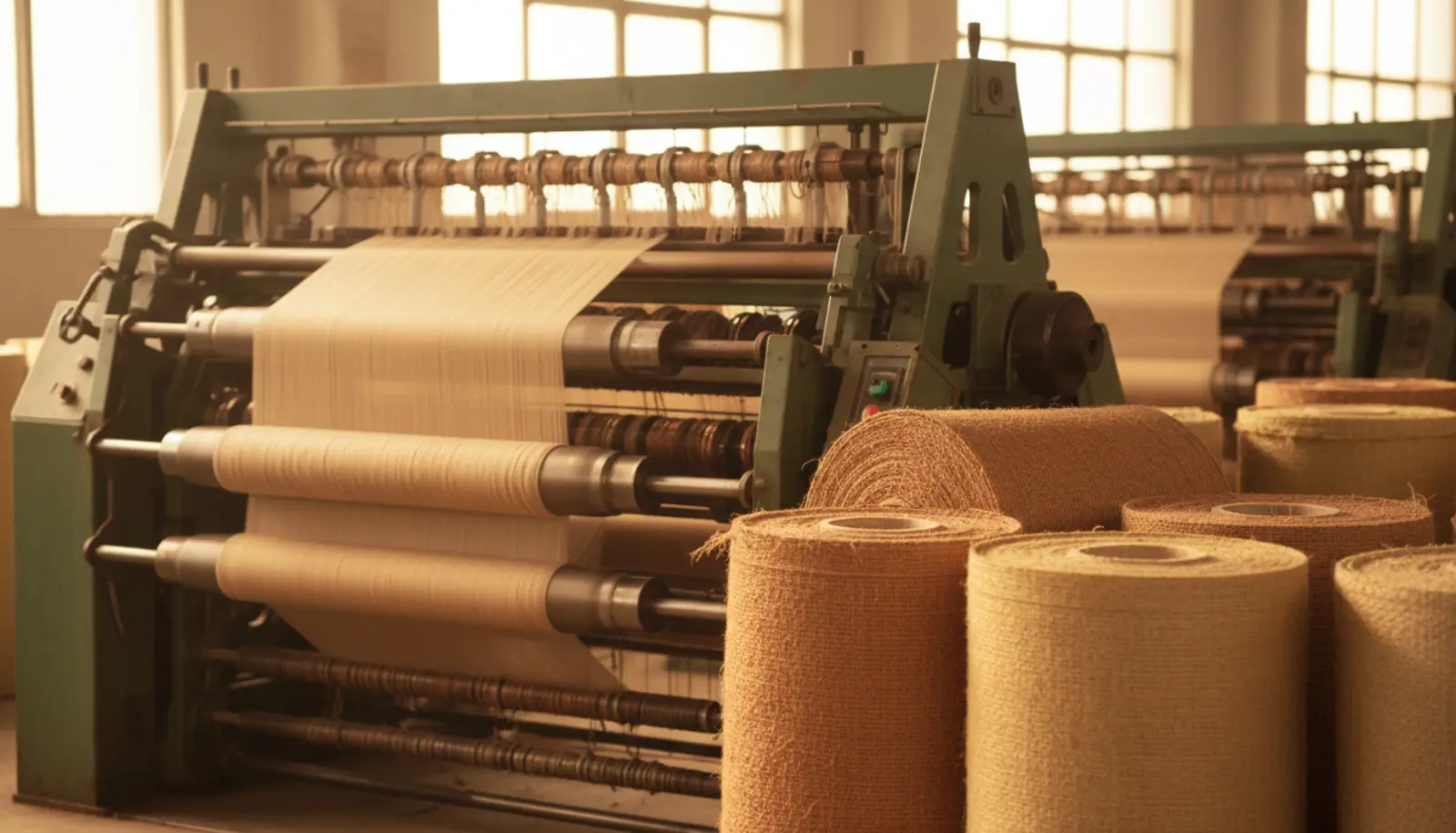
For raffia (woven sacks and tape), start with a homopolymer polypropylene whose melt flow index is low enough to give a strong, stretchable tape. For fibre and nonwovens, move to a higher melt flow grade, and for melt-blown go higher still. The grade decides how the line runs and how strong the product is; the additives and the cleanliness of the resin decide whether it runs without breaks.
This guide is general. It explains the logic behind grade choice so that you can write a sharper enquiry and judge an offer. It is not a technical datasheet, and the final answer for your line comes from your own trials and your converter's or machine maker's guidance. For the wider family of polypropylene types, read our polypropylene grades guide.
Why homopolymer is the usual base
Answer first: raffia, most fibre and most nonwoven grades are made from homopolymer polypropylene because it is stiff, strong in tension and draws well. Copolymers are chosen when you need impact resistance or clarity, which are rarely the priorities in tape or fibre.
Polypropylene comes in three broad families:
- Homopolymer. Made from propylene alone. Stiff, strong, high melting point, good for drawing into tape and fibre. This is the default for raffia, yarn, fibre and spunbond nonwovens.
- Random copolymer. A small amount of a second monomer is built into the chain. Lower melting point and better clarity, with less stiffness. Used where softness or clarity matters, such as some films and moulded parts.
- Impact (heterophasic) copolymer. A homopolymer matrix with a rubbery phase. Tougher at low temperature, but the rubbery phase works against clean drawing into fine tape or filament.
Unless your converter or machine maker tells you otherwise, ask for homopolymer and state the end use.
Two homopolymers can behave very differently on a line because of their melt flow, molecular weight distribution and additive package, so the specification matters more than the label.
Melt flow index as a concept
Answer first: melt flow index (MFI, sometimes called melt flow rate) is a measure of how easily the molten polymer flows. A low value means a stiffer melt and a higher molecular weight; a high value means a runnier melt and a lower molecular weight. Pick the range by process, not by habit.
The test measures how much molten polymer flows through a standard die in a set time under a set load and temperature. It is defined in ISO 1133 and ASTM D1238. For polypropylene the usual test condition is 230 °C with a 2.16 kg load. Always confirm that a supplier's MFI is quoted at the same condition and by the same method as yours, because the number is meaningless otherwise.
Here is how the ranges map to processes, in concept only:
- Tape and raffia (low). Tape is extruded as a film through a flat die, cooled, slit and then stretched. A low melt flow gives a strong, viscous melt and a polymer with long chains that orient well when drawn. Tape strength comes from that orientation.
- Fibre, multifilament and spunbond nonwovens (higher). Fine filaments need a melt that can be drawn out quickly and attenuated without breaking. A higher melt flow lets the polymer pass through small spinneret holes and be pulled to a fine diameter. Many nonwoven grades are tailored for narrow molecular weight distribution so they spin consistently; check the data sheet.
- Melt-blown (very high). Melt-blown webs use hot air to blow the polymer into very fine fibres. That needs a very runny melt. Grades for this are often produced by controlled degradation of a lower melt flow resin, but whichever route is used, the thing you buy is a very high melt flow grade made for the purpose.
Two practical points follow:
- A higher melt flow grade is not a "better" grade. It trades strength for processability. Using a fibre grade on a tape line gives weak tape. Using a tape grade on a fibre line gives breaks and coarse filament.
- Consistency matters as much as the number. A grade with the right average melt flow but a wide batch-to-batch spread makes you re-tune the line. Ask what batch tolerance the supplier works to and what you will receive on the certificate of analysis.
Stretch ratio and tape strength
Answer first: in raffia, tape strength comes from stretching. The stretch (draw) ratio is how many times longer the tape is after drawing than before, and a higher ratio gives a stronger, thinner tape up to a limit, after which it splits or breaks.
The tape line works roughly as follows:
- The resin is melted and extruded as a flat film.
- The film is cooled in a water bath or by air.
- It is slit into narrow tapes.
- The tapes are heated and drawn between two sets of rollers running at different speeds.
- The tapes are annealed to relax stress, then wound on bobbins.
- The tape is woven into fabric on looms, which is then cut, sewn or laminated into sacks.
Drawing aligns the molecular chains along the tape. That raises tensile strength and stiffness and lowers elongation. The effect is useful, but there are limits:
- Too little stretch leaves a weak, stretchy tape that makes a weak sack.
- Too much stretch makes the tape brittle and prone to splitting along its length (fibrillation) and to breaking on the loom.
What resin properties affect this? In general terms:
- The melt flow range (above) sets the starting point for orientation.
- The molecular weight distribution influences how forgiving the tape is when drawn. A resin that draws smoothly lets the converter stretch further for a given strength.
- Fillers and masterbatch additions reduce strength per tonne of tape if overused.
- Gels and contamination (below) create weak points where the tape fails first.
For the buyer, the lesson is that tape strength is a system result of resin, additives, extrusion temperature, stretch ratio and loom settings. If you buy resin and tape strength falls short, check your own process before you blame the resin, and vice versa. Run a trial and compare the new lot with a lot you know.
Where bulk bags, FIBCs and sacks fit in
Woven polypropylene fabric is used for several things, and the demands differ:
- Standard woven sacks. Used for grain, sugar, fertiliser, polymer pellets, cement and similar goods. Strength and cost per sack are the main considerations.
- FIBCs (flexible intermediate bulk containers, or bulk bags). Large woven bags with lifting loops, used for storing and moving a tonne or so of dry goods. These carry a rated safe working load, are lifted by forklift or crane, and often need UV protection because they are stored outside. Tape quality, fabric weight and stitching all matter, and the converter has to meet whatever standard and test regime the user requires. Specify the standard with your converter; do not leave it to guesswork.
Tape quality translates directly to failure risk, and in a bulk bag a failure can be a safety issue. For FIBC and heavy-duty uses, ask your converter what resin properties they need rather than assuming a general raffia grade will do.
Additives: UV stabilisers, anti-static and masterbatch
Answer first: most polypropylene for outdoor or demanding use is not sold ready-to-run. UV stabiliser, colour and sometimes anti-static agents are added as masterbatch at the converter, or compounded in by the producer. Decide who adds what, and write it down.
UV stabilisers
Polypropylene degrades in sunlight. Left unprotected, it becomes brittle and loses strength. Sacks, FIBCs, geotextiles and agricultural nets are often stored or used outdoors, so a UV package is standard practice. The common approach is to add a UV masterbatch containing stabilisers (hindered amine light stabilisers are widely used) at a dosage set by the converter and the end-use.
Ask:
- Is the UV stabiliser already in the resin, or will you add it as masterbatch?
- What outdoor exposure period is the end product expected to survive? This is a converter and end-user specification, not a resin claim.
Anti-static
Static can build up on fabric and fibre and attract dust, cause sparks in sensitive environments, or make nonwovens cling and misbehave on the line. Anti-static additives, usually added as masterbatch or as part of the compound, reduce that charge. FIBCs have their own rules for static dissipation when used with flammable dusts or vapours, and the type of bag matters. This is a safety requirement set by the user and the bag standard, so confirm the type with the converter and the end user.
Masterbatch and fillers
Masterbatch is a concentrate of colour or additive in a carrier resin, let down into the base polymer at the converter. For raffia:
- Colour masterbatch gives the sack its colour and can affect UV performance.
- Filler masterbatch, usually calcium carbonate based, is used by many tape producers to reduce cost and change feel. It cuts strength and raises density, so the right level is a trade-off between cost and tape properties.
Two cautions. The carrier resin in the masterbatch should be compatible with your base polymer, because a mismatch is a common source of gels. And the more additives you stack, the more places a dispersion fault can hide, so if tape quality drops, test with and without masterbatch.
Gels, fish-eyes and other defects
Answer first: gels and fish-eyes are small lumps in the polymer that did not melt or mix properly. In tape they create weak spots and breaks; in fibre and nonwovens they block spinneret holes and break filaments. Treat them as a primary quality criterion, not a cosmetic one.
The terms overlap:
- Gels are small particles of high molecular weight or cross-linked polymer that do not melt like the surrounding material.
- Fish-eyes are the visible form in film: small, clear or hazy lumps that look like an eye in the film.
- Black specks and foreign matter come from degraded polymer, dirt, dust or cross-contamination with another resin or material.
Likely sources include:
- Polymer degradation during production or in the extruder.
- Cross-contamination from a previous grade or foreign polymer, for example a polyethylene residue in a polypropylene stream.
- Poor dispersion of masterbatch or filler.
- Dust and contamination during handling, bagging and transport.
How they show up depends on the process:
- Tape: tape breaks during stretching or on the loom, visible holes or thin spots in the slit tape, and fabric faults.
- Fibre and nonwovens: pressure rise at the die filter, spinneret blockages, broken filaments, and holes or coarse spots in the web. Fine fibre and melt-blown processes are much less tolerant than coarse tape.
Ask the supplier how gel and contamination levels are controlled and whether the producer has any process or test for them. Where you can, run a trial and measure what matters to you: breaks per hour, filter pressure rise, and rejects. Our polymer resin quality checks guide covers sampling and testing in more detail, and our guide to prime versus off-grade polymers explains why a cheaper off-grade lot is rarely a bargain on a fine fibre line.
Moisture, storage and handling
Answer first: polypropylene absorbs very little water, so it does not usually need drying the way some other plastics do. The bigger storage risks are contamination, heat, sunlight and condensation, not moisture absorbed into the pellet.
The problem with water is usually on the surface. If cold resin is moved into a warm, humid area, condensation can form on the pellets and cause problems in extrusion, such as steam bubbles or surface defects. Let packed resin warm to the room temperature before opening the bags.
Good storage practice, in general terms:
- Keep it dry and covered, on pallets and off the floor.
- Keep it out of direct sunlight and away from heat sources.
- Keep the packaging closed until use, and reseal part-used bags. Open bags collect dust, insects and cross-contamination.
- Separate grades, with clear labelling and lot numbers, so grades and lots are not mixed.
- Rotate stock first in, first out, and clean silos and conveying lines when you change grade, because pneumatic conveying can create fines and streamers that disturb feeding.
Containers need attention to condensation, especially on long voyages with temperature changes. Our container shipping guide for polymers explains the container side: loading, lining, ventilation and what to inspect on arrival.
Quality checks on arrival
Answer first: check the paperwork and packaging first, then the pellets, then run a small trial before committing the whole lot to production. Keep a retained sample from every lot.
A sensible arrival routine:
- Check the documents against the contract. Grade name, lot or batch number, quantity, packaging and the certificate of analysis. Make sure the lot number on the bags matches the paperwork.
- Inspect the container and packaging. Look for container damage, wet or stained bags, torn or leaking bags, broken pallets and signs of contamination. Take photographs before unloading and record any damage with the carrier's agent at the time.
- Sample. Draw representative samples from several bags across several pallets, not just the top layer by the door. Retain a sealed sample from each lot.
- Visual check. Look for colour consistency, black specks, foreign particles, dust and fines, pellets that are joined together, and any odour that suggests degradation or contamination.
- Test. At minimum, test melt flow at the contract condition, and any other properties you rely on. Compare to the certificate and the contract tolerance.
- Trial run. Process a small quantity on a line you can monitor. For tape, watch breaks, draw behaviour and tape strength. For fibre, watch die pressure and filament breaks.
- Record the result, and report any claim within the period in your contract.
Your laboratory's melt flow result may differ slightly from the producer's, so agree a reference method and tolerance in the contract, and use a third-party laboratory in a dispute. Our quality claims and disputes guide explains how to handle that process.
What to specify when buying
A tight enquiry saves days of back and forth, and it protects you if there is a dispute later. Specify:
- Product and polymer type: polypropylene homopolymer, with the intended use (raffia tape, multifilament yarn, spunbond, melt-blown, FIBC).
- Melt flow range and the test method and condition, with the tolerance you will accept.
- Other properties your process depends on, which might include molecular weight distribution, xylene soluble content (a measure of the non-crystalline fraction), ash content, and volatile content. Ask your converter which matter.
- Additives in the resin: none, UV stabiliser, anti-static, or others, and who adds masterbatch.
- Appearance and cleanliness: limits on black specks, fines and gels where measurable, and no foreign polymer.
- Grade status: prime, with a certificate of analysis for each lot. Off-grade or wide-spec material must be stated and priced as such.
- Packaging: bag size, bulk bag or other, pallet and wrapping requirements, labelling and lot marking.
- Quantity, shipment window, tolerance, Incoterm and port (for example FOB Sohar or CIF to your port).
- Inspection: whether you want pre-shipment inspection by an independent inspector and what it should cover.
- Claims procedure: sampling method, reference laboratory and time limits.
If you are changing supplier, ask for a trial quantity first; a resin that matches on paper may still run differently on your line.
Frequently asked questions
Which polypropylene should I buy for woven sacks?
Homopolymer polypropylene with a melt flow suited to tape extrusion, which means lower than fibre or nonwoven grades. Tell the supplier it is for raffia, and confirm the melt flow range and test method with your converter or machine maker.
Is a higher melt flow index better?
No. A higher value means the polymer flows more easily, which helps fibre and melt-blown processes, but it lowers molecular weight and tape strength. Match the range to the process rather than choosing the highest or lowest number.
Do I need to dry polypropylene before processing?
Usually not, because polypropylene absorbs very little water. The risk is condensation on cold pellets brought into a warm room, so let packed resin reach room temperature before opening it, and keep it clean and dry.
What causes gels and fish-eyes?
Common causes are polymer degradation, cross-contamination with another resin, poor dispersion of masterbatch or filler, and dirt picked up in handling. Check the resin lot, the masterbatch and your own extruder before deciding where the fault lies.
Can I use the same grade for a bulk bag and a standard sack?
Often the base resin can be similar, but bulk bags usually need better UV protection, more consistent tape strength and a defined safe working load, so confirm requirements with your converter and the end user.
Next step
If you are sourcing polypropylene for raffia, fibre or nonwovens, send an RFQ to the Chemineral trade desk with your end use, melt flow range, additive needs, packaging and destination. Cargoes ship from Sohar and Salalah, SGS or Intertek pre-shipment inspection can be arranged, and firm offers are valid for 72 hours. You can also browse the polypropylene product page. This article is general guidance, not a product specification; check suitability with your own trials.
Our trade desk can turn the views in this report into firm offers on today's indicative prices — valid 72 hours, with complete documentation.
Request a quote