
Where Caustic Soda Goes: Alumina, Pulp and Paper, Soap, Textiles and Water Treatment
How caustic soda is used in alumina refining, pulp and paper, soap and detergents, textiles, water treatment and chemical processing, and what each use means for the form, purity and packing a buyer should specify.
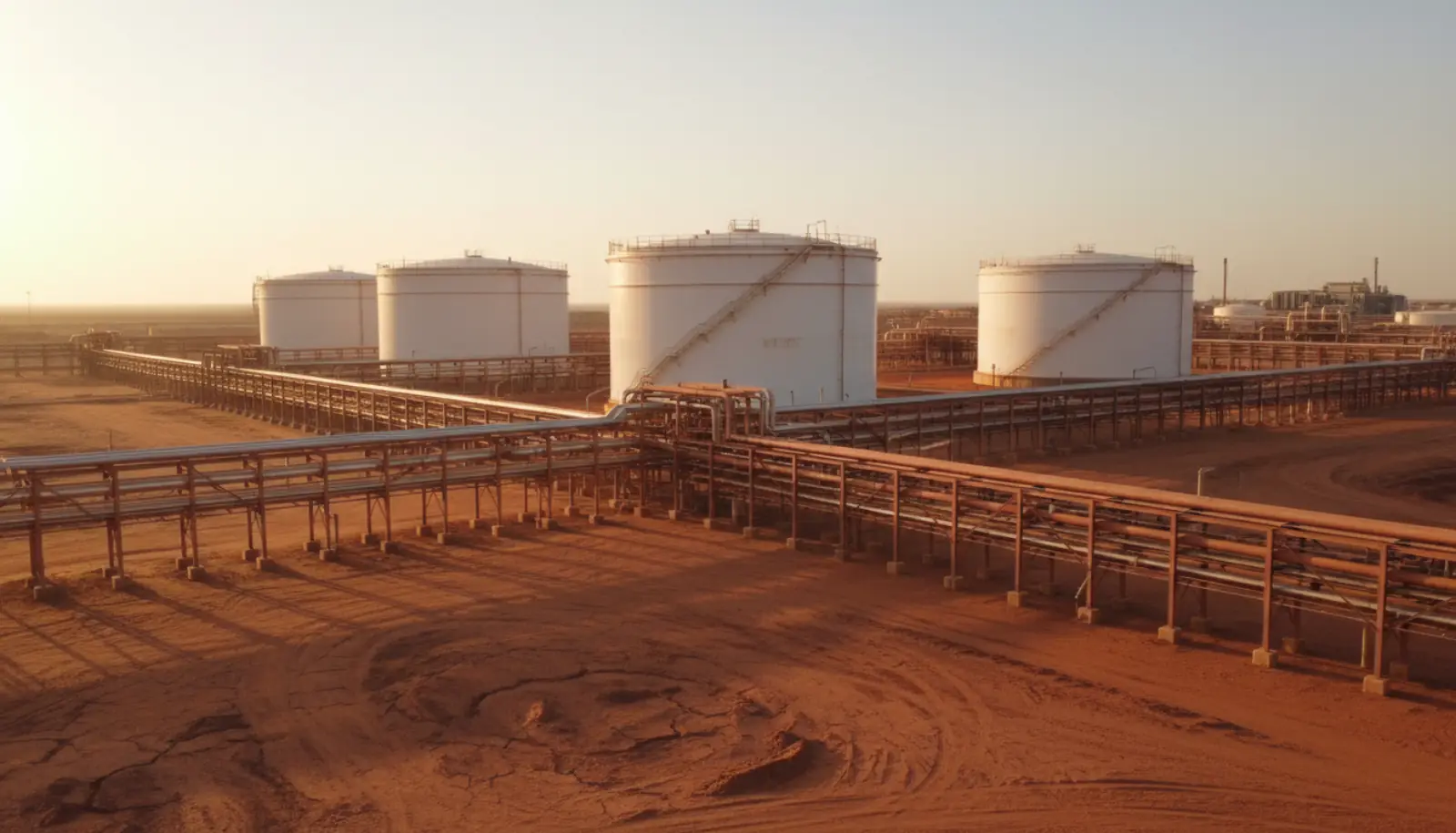
Caustic soda is bought by industries that have almost nothing else in common. An alumina refinery, a paper mill, a soap maker, a textile finisher and a municipal water plant all use the same chemical, yet each cares about a different property of it. One wants a liquid that can be pumped straight into a process line. Another wants a solid that is easy to weigh and dissolve on site. A third cares about a trace impurity that the others never think about.
This guide follows caustic soda from the buyer's side. It describes the main uses, why each one cares about form, concentration and purity, and what to say in an enquiry so the right product is quoted. It makes no market-size claims. It is general guidance, not a substitute for the safety data sheet, local regulations or your own process engineers. For the physical forms, see our guide to flakes, pearls and liquid. For how the chemical is made and what purity differences mean, see the production routes and purity guide, and for safe storage see storage and handling. The product is on the caustic soda product page.
Why one chemical serves so many industries
Answer first: caustic soda is a strong, cheap alkali. Anything that needs to dissolve, neutralise, saponify or break down materials under alkaline conditions is a candidate user.
Sodium hydroxide, the chemical name, reacts with acids to neutralise them, dissolves certain minerals and organic materials, and turns fats into soap. Those three behaviours explain most of the uses below. Because it is a commodity chemical made in very large volumes, it is also affordable enough to be used as a bulk reagent rather than a specialty additive.
The same properties make it hazardous. It is corrosive to skin, eyes and many metals, and dissolving it in water releases a lot of heat. Everything in this guide assumes proper handling under the safety data sheet and local rules.
The main uses at a glance
| Use | What caustic soda does | What the buyer usually cares about |
|---|---|---|
| Alumina refining | Dissolves alumina from bauxite | Large liquid volumes, consistent strength, low specific impurities |
| Pulp and paper | Cooks wood chips and supports bleaching | Liquid supply, consistent strength, low contaminants |
| Soap and detergents | Turns fats and oils into soap | Strength, form, and handling in the plant |
| Textiles | Treats cotton and other fibres | Purity, clarity of solution |
| Water treatment | Raises pH and neutralises acid | Consistency, safe dosing, compatibility with materials |
| Chemicals and other processing | Reagent and neutraliser | Specification set by the process |
The sections below explain each one. The detail in each section is general. Your process sets the numbers.
Alumina refining
Answer first: alumina refineries are among the largest users of caustic soda. They use it to dissolve alumina out of bauxite ore, and they buy it in very large liquid volumes.
How the process uses caustic soda
In the commonly used Bayer-type route, crushed bauxite is mixed with hot caustic soda solution. The alumina dissolves, leaving most of the other minerals behind as a residue. The solution is then processed to recover alumina, and much of the caustic is recycled within the plant. Because the loop is not perfectly closed, the plant needs a steady make-up supply of fresh caustic.
What a refinery cares about
- Volume and continuity. Supply must keep the plant running. Interruptions are expensive.
- Strength. Plants buy liquid at an agreed concentration, so that they can use it without extra dilution or concentration steps.
- Impurities. Certain impurities can build up in the circuit over time and cause scaling or other problems. The plant sets which ones matter and at what limits.
- Delivery mode. Large refineries usually take liquid by ship into dedicated tanks.
What this means for a seller and buyer
Refineries usually contract in bulk, with defined delivery windows and discharge arrangements, and they run their own quality checks. Terms often include demurrage clauses, because discharge delays hold up a vessel. Our guide to laytime and demurrage explains how this works. Liquid caustic moves in tankers and ISO tanks, and the carrier's tank cleanliness and the previous cargo matter. Refineries sometimes have a preference for membrane-grade product, so confirm which route the supply comes from.
Pulp and paper
Answer first: pulp mills use caustic soda in cooking wood to separate fibres and in bleaching sequences, and they usually take liquid.
Where it is used
In chemical pulping, caustic soda is part of the liquor that breaks down the material binding wood fibres. In bleaching, it is used to extract coloured compounds and to adjust pH between stages. Some mills generate part of their own alkali through chemical recovery, and buy make-up caustic to cover losses.
What a mill cares about
- Reliable liquid supply at a consistent concentration.
- Low contamination, since trace metals can interfere with bleaching.
- Compatibility with existing tanks and pumps.
- Safe delivery and unloading.
A mill's make-up demand can vary with production levels, so buyers often set up supply with flexibility on volume, or with regular smaller deliveries. Ask your technical team which limits apply and whether a lower-impurity grade is required.
Soap and detergents
Answer first: soap is made by reacting fats or oils with an alkali, and caustic soda is the usual choice for solid soap. Detergent plants also use it to neutralise acids used in other surfactants.
How it works
In saponification, fats or oils react with caustic soda to form soap and glycerol. The quantity of caustic needed depends on the fats used, so formulators calculate it carefully. Too little leaves unreacted fat. Too much leaves a harsh, alkaline product.
What the soap maker cares about
- Accurate strength. A formulator calculates the dose from the known concentration of the caustic. Variation in concentration changes the result.
- Form. Smaller makers often prefer solid forms such as flakes or pearls, which can be weighed out and dissolved as needed. Larger plants may take liquid.
- Low colour and low contaminants, because impurities can affect colour and odour in the finished soap.
- Packing size. Small producers buy in bags, so bag quality and moisture protection matter. Caustic soda solids absorb moisture and carbon dioxide from the air, which changes their strength over time.
For a small plant, the decision between flakes and pearls, and between 25 kg bags and bigger packs, is mostly about handling and storage. Our forms guide explains the differences.
Textiles
Answer first: textile finishers use caustic soda in cleaning, treating and finishing cotton and other fibres, and they care about purity and consistency because the solution touches the cloth.
Typical uses
Cotton can be treated with strong caustic solution to improve strength, lustre and dye uptake. Caustic soda is also used in scouring, which removes natural waxes and impurities from fibres before dyeing. Some synthetic fibre processes use it as well.
What a finisher cares about
- Clear, consistent solution. Visible contamination or colour can mark fabric.
- Low levels of certain metals, which can cause staining or interfere with dyes.
- Strength accuracy. The finishing result depends on concentration.
- Safe handling around moving cloth and open baths.
Textile buyers often ask for a higher-purity grade, such as membrane-grade product, and may test incoming lots. Specify what you need, along with the test methods your quality team uses.
Water treatment and neutralisation
Answer first: water and wastewater plants use caustic soda to raise pH, neutralise acidic streams and help precipitate certain metals. They value consistency and safe dosing.
How it is used
Acidic water can corrode pipes and harm treatment processes, so operators add alkali to bring pH into range. Industrial plants also use caustic soda to neutralise acidic waste before discharge. In some treatment steps, a controlled pH helps dissolved metals form solids that can be removed.
What an operator cares about
- Liquid, in a manageable strength. Many plants dose a diluted solution from a day tank, because it is easier and safer to control.
- Materials compatibility. Tanks, pumps, valves and seals must tolerate caustic solution. Some metals and plastics are not suitable.
- Freezing behaviour. Strong solutions can crystallise at cold temperatures, which blocks lines. Storage temperature matters in colder climates.
- Impurity limits where the water ends up as drinking water. Drinking-water use normally needs a product that meets the relevant standard, so check which standard applies in your country before you buy. Do not assume an industrial grade is acceptable for this.
Operators also need clear safety procedures for unloading and dosing, and secondary containment for tanks.
Chemical processing and other uses
Caustic soda is a general-purpose reagent in the chemical industry. It is used in making a wide range of sodium compounds, in organic chemistry, in neutralising acid by-products, and in cleaning. Further uses include:
- Biodiesel production, where it can act as a catalyst or be used in related steps.
- Mineral processing, where pH control and chemical reactions matter.
- Petroleum and gas treatment, for removing acidic compounds from streams.
- Cleaning and sanitising, in industrial and food-plant cleaning programmes, where concentration and rinsing are controlled by the user.
- Food processing, which needs a product that meets food-grade requirements. Do not use an industrial grade for food use.
Each of these has its own specification, usually written by the user's engineers. When in doubt, ask what the process needs, rather than assuming a general commercial grade will suffice.
How the use shapes the specification
Answer first: the end use tells you which of four things to pin down: form, concentration or purity, packing and delivery route.
Form
- Liquid, commonly sold as a solution at a stated concentration, suits large users with tanks and pumps, such as refineries, mills and water plants. It avoids dissolving on site and is easier to dose, but it is heavy to ship because it contains water.
- Flakes and pearls are solid, carry more caustic per tonne and suit users who need to weigh out and dissolve small amounts, such as soap makers and small processors. They need dry storage and careful dissolving.
Concentration and purity
State the concentration you need for liquid, or the minimum assay for solids. Add limits for the impurities your process cares about, such as certain salts or metals, and the test method for each. Different production routes give different impurity profiles, which our production routes guide explains.
Packing
Bags, big bags, drums, IBCs, ISO tanks and bulk vessels all appear in caustic trade. Choose according to volume, handling equipment and risk of moisture or contamination. Solid forms in bags must be protected from damp, because they absorb water and carbon dioxide from the air.
Delivery route
State the discharge port or delivery point, the receiving facility, the unloading equipment and any restrictions. Shipping a corrosive chemical brings its own rules, and our guide to dangerous goods in shipping chemicals explains how classification, packing and documentation work. Check the current classification and documents for your specific product and route with the supplier and forwarder.
Buying as a plant versus buying as a distributor
Answer first: a plant buys for its own process and cares about one specification. A distributor sells on to many users and has to hold the right grade for each customer.
The plant buyer
A single-site user can usually write a tight specification and qualify one or two sources. The work is in confirming the limits with the process team, testing a sample, agreeing the delivery pattern and setting up a clear claims route if a lot is off-specification. Our guide on quality claims and disputes shows what evidence helps when something goes wrong, and our guide on independent inspection explains how to set up loading-port checks.
The distributor
A distributor often serves customers in several of the industries above, each with a different need. A soap maker wants flakes in small bags. A water plant wants liquid in IBCs. A textile finisher wants a clean, higher-purity product. The difficulty is holding the right grade for each customer without mixing stock. Practical rules include keeping grades in separate, labelled storage, recording batch numbers on every delivery, and asking each customer's end use at the start, so that nobody receives a grade that does not suit them. A distributor also carries the compliance burden for labelling, documentation and local permits, so keep records of what was sold, to whom and under which safety data sheet.
Sample approval
For most technical uses, ask for a sample and certificate of analysis before the first commercial order. Test the sample against your own limits, record the approval in writing with the producer and grade named, and keep a sealed retained sample from each shipment. If the producer or route changes, repeat the check, because impurity profiles can differ between sources.
Storage by end use
Users who hold stock for long periods, such as small soap makers and distributors of solids, should protect product from moisture and air. Users of liquid should check temperature limits, because strong solutions can thicken or crystallise in cold storage, and should confirm that tanks, hoses and gaskets are suitable for caustic. Everyone should keep secondary containment in place and keep acids and incompatible materials apart.
What to put in an enquiry
- End use and process. Alumina, pulp, soap, textile, water treatment or other.
- Form. Liquid, flakes or pearls.
- Concentration or assay, with the test method.
- Impurity limits that matter to your process, with test methods.
- Quantity and delivery pattern. One shipment, regular drawdowns, or a contract over time.
- Packing. Bulk, ISO tank, drums, IBCs or bags, and bag type and weight for solids.
- Destination and receiving facilities.
- Documents. Certificate of analysis, safety data sheet, origin and any permits. See our guide on import permits and registration for chemicals and the export shipping documents guide.
- Inspection and sampling. Whether independent inspection is needed. Chemineral can arrange SGS or Intertek pre-shipment inspection.
- Payment terms and Incoterm. See payment terms for bulk commodities and FOB versus CIF.
Safety points every user shares
Whatever the application, caustic soda has the same hazards:
- It causes severe burns to skin and eyes. Use the protective equipment specified in the safety data sheet.
- Adding it to water releases heat. Always add the solid slowly to water with stirring, never the reverse, and follow your site procedure.
- It reacts with some metals, such as aluminium, and can release flammable hydrogen. Use compatible materials.
- It reacts strongly with acids. Keep it apart from acid storage and have a spill plan.
- Spills need containment and neutralisation by trained staff, and emergency showers and eye wash stations must be close to where it is handled.
Our storage and handling guide covers storage practice in more detail. The safety data sheet and local rules always take priority.
Common buyer mistakes
- Not stating the end use, so the supplier guesses the grade.
- Specifying concentration but not impurities that matter for the process.
- Choosing solid forms for a use that needs liquid, or the reverse.
- Ignoring freezing of strong liquid in cold storage.
- Using industrial grade where a food or drinking-water standard applies.
- Poor protection of solid forms from air and moisture.
- Overlooking tank and equipment compatibility.
- Underestimating dangerous-goods documentation and packing rules.
Frequently asked questions
Which industries use the most caustic soda?
Alumina refining and pulp and paper are two of the large users, alongside chemical processing, soap and detergents, textiles and water treatment. Volumes vary by region and by year, so ask for current market information rather than relying on a general figure.
Is liquid caustic soda better than flakes?
Neither is better in general. Large users with tanks and pumps usually prefer liquid, because it is ready to use. Smaller users often prefer flakes or pearls, which are easier to store in small amounts and carry more caustic per tonne.
Can I use industrial caustic soda in food or drinking water?
Not automatically. Food and drinking-water uses need a product that meets the relevant standard, so check the requirement in your country and ask the supplier whether the grade complies.
Why does a refinery care about impurities in caustic soda?
Because the caustic circulates in a loop. Some impurities can build up over time and cause scaling or other problems, so refineries set limits for the ones that matter in their process.
What should I tell the supplier first?
Your end use, the form you need, the concentration or assay, your impurity limits, quantity, packing and destination. With that, the trade desk can propose the right product instead of a generic quote.
Next step
If you buy caustic soda for alumina, pulp, soap, textiles, water treatment or chemical processing, send the trade desk your end use, form, specification limits, packing and quantity through the contact page. We quote Suez and Cape routing side by side for shipments from Sohar and Salalah, and firm offers are valid for 72 hours.
Our trade desk can turn the views in this report into firm offers on today's indicative prices — valid 72 hours, with complete documentation.
Request a quote