Bulk, Container or Breakbulk: Choosing the Shipping Mode for Chemicals
How to choose between bulk vessel, container (FCL and LCL) and breakbulk for chemicals and polymers: parcel size, product type, cost drivers, contamination, documents and a decision table.
Choose the shipping mode by parcel size and product form first, and by price second. Small parcels of packaged goods usually go in containers, very large parcels of free-flowing solids or liquids usually go in bulk, and the middle ground is where breakbulk and part-bulk options compete with large container programmes. The cheapest freight per tonne on paper is often not the cheapest delivered cost once handling, losses, contamination risk, timing and documents are counted.
This guide is general. It explains the logic of the choice, not the rates; it contains no freight rates, and nothing below states what any particular seller offers. Your forwarder, shipbroker and insurer price and advise on a specific cargo.
The three modes in plain terms
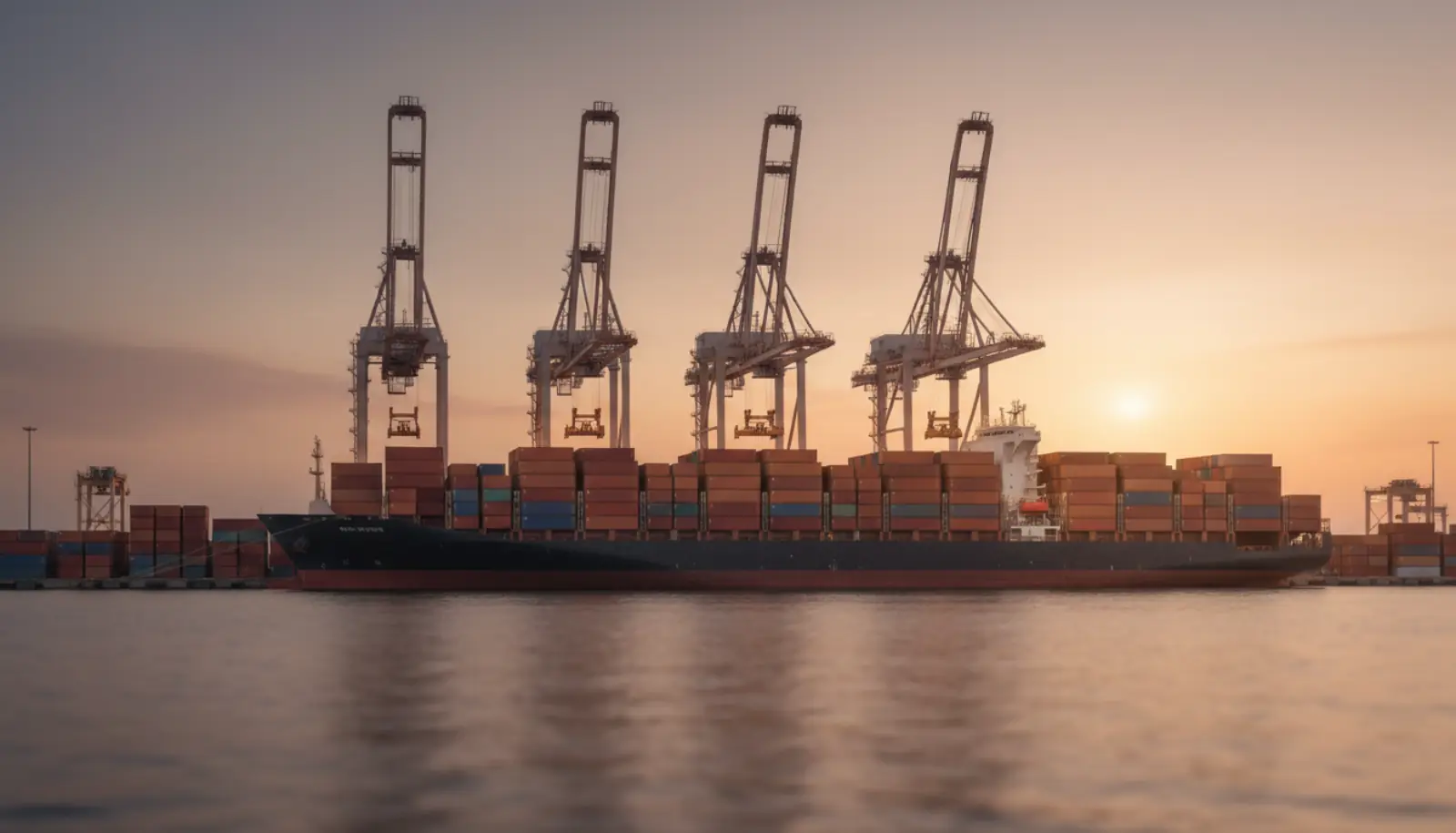
Answer first: bulk means the cargo travels loose in a vessel's hold or tank, container means it travels inside a box, and breakbulk means it travels as individual packages handled one by one.
Bulk vessel
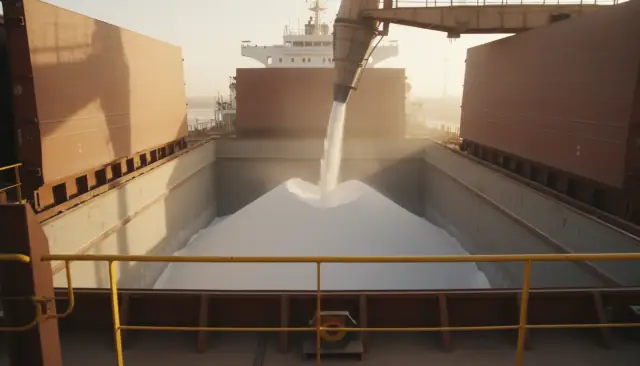
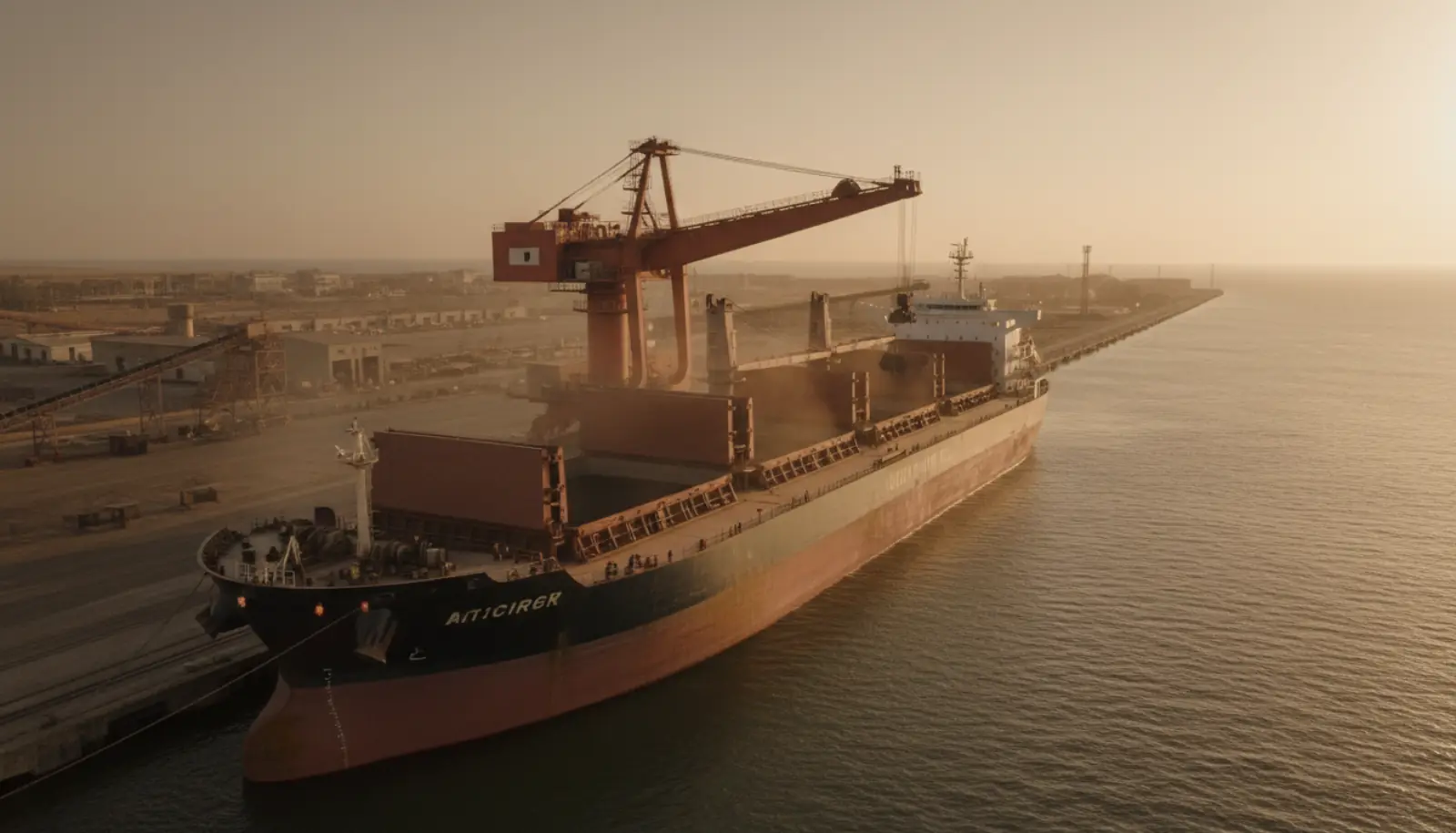
The cargo is loaded loose into a ship's holds (dry bulk) or tanks (liquid bulk). It suits large quantities of free-flowing solids such as fertiliser or granular sulphur, and liquids on tankers. Quantity is usually determined by draft survey or shore tank measurement; see our draft survey guide.
Container
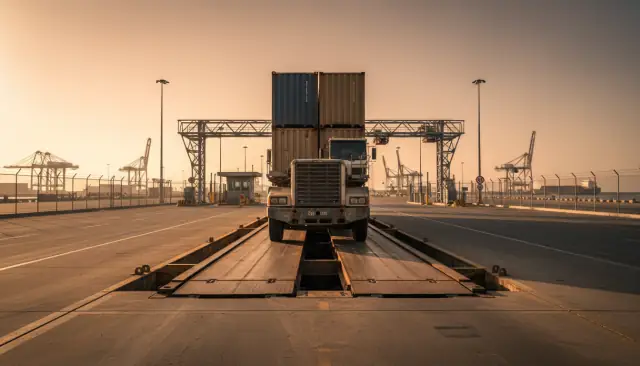
The cargo travels in standard steel boxes on scheduled liner services. Options include:
- FCL (full container load). One shipper fills a container, which is sealed and opened at the other end.
- LCL (less than container load). Several shippers' goods share a container, consolidated and deconsolidated at depots. LCL is for small parcels of general goods.
- Specialised options: liners that let a container carry free-flowing bulk, flexitanks for suitable non-hazardous liquids, and tank containers (ISO tanks).
Breakbulk and general cargo
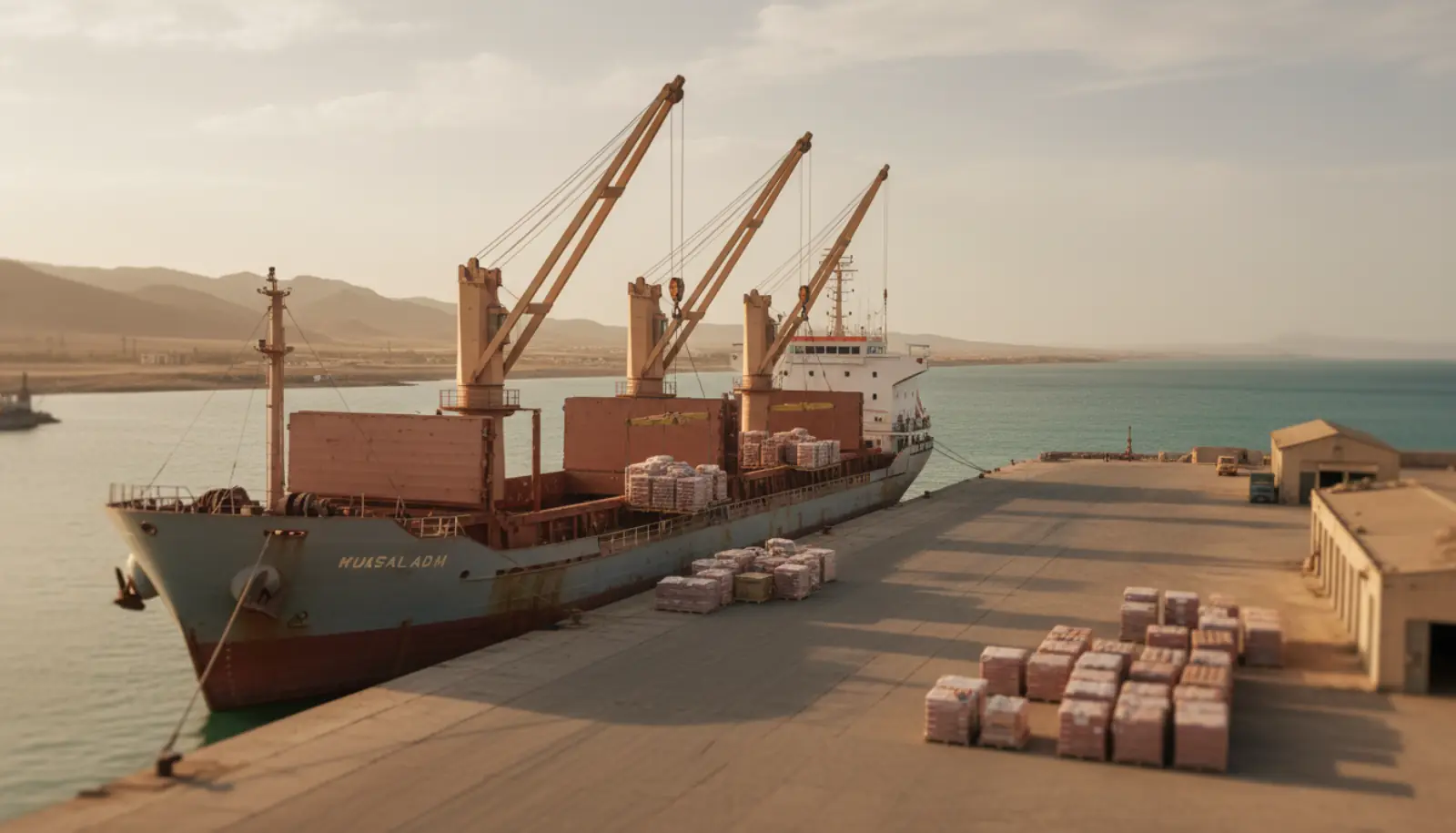
Breakbulk (general cargo) is cargo handled as separate pieces: bags, drums, pallets. It travels on general cargo or multipurpose vessels, on a liner basis or chartered. Bagged chemicals and fertiliser are typical. Loading and discharge by crane or ship's gear is labour and equipment intensive. Where your cargo shares a vessel with other shippers' goods, the compatibility questions below matter even more.
Start with parcel size
Answer first: parcel size sets the range of sensible options. Everything else narrows it.
- A fraction of a container up to a few containers: containers (LCL for the smallest non-hazardous packaged goods, FCL beyond that). Each box has a limited payload, subject to weight limits on the route.
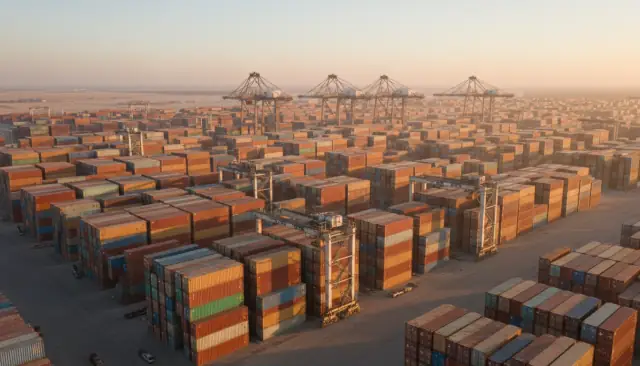
- Many containers regularly: a container programme brings flexibility and frequency but multiplies handling and documents.
- A mid-sized parcel of bagged or packaged goods: breakbulk, or a large container programme, depending on product, ports and timing.
- A large parcel of free-flowing solid or liquid: bulk vessel, because economy of scale is why the mode exists.
There is no single threshold at which bulk beats container; it depends on route, product, ports, market conditions and handling costs. Near the border, get quotes for both and compare the delivered, in-store cost.
Product type changes the answer
Answer first: the form of the product, meaning free-flowing solid, liquid or bagged, often decides the mode before parcel size does.
Free-flowing solids
Urea, granular sulphur and similar products can go in bulk, bagged, or in containers (bagged or loose in a lined box). Bulk is natural for large parcels; bags in containers or on breakbulk vessels are usual for smaller ones. See our bagged versus bulk fertiliser guide.
Check moisture and caking (urea), dust and fire risk (sulphur), quantity measurement and discharge equipment.
Liquids
Liquids such as bitumen, base oil and caustic soda solution can go in bulk on tankers, in tank containers, in flexitanks (suitable non-hazardous products only) or in drums and IBCs. Heated products such as bitumen need temperature maintained and the receiving tank, heating and pumping ready; see our bitumen packaging options guide.
Check compatibility with tank or liner materials, heating, shore tank availability, residues from earlier cargoes and hazard class.
Bagged and packaged goods
Polymers, activated carbon, minerals and many other products are packed in bags, bulk bags or drums and suit containers or breakbulk. Our container shipping guide for polymers covers loading, lining and condensation.
Check bag strength, pallet quality, wrapping, condensation and handling damage.
Dangerous goods
Some chemicals are dangerous goods for sea transport, which affects mode, packaging, carrier acceptance, segregation and documents. Caustic soda, for example, is corrosive. Check the classification of each product and form; our dangerous goods shipping guide explains the process. LCL is often restricted for dangerous goods, and a carrier may refuse some products.
Packaging
Answer first: choose mode and packaging together. Packaging that works in a container may be wrong for a general cargo vessel.
- Bags need strong seals, clean pallets and protective wrap. Breakbulk handling is harder on bags than a container is.
- Bulk bags (FIBCs) reduce handling movements but need lifting equipment at both ends.
- Drums and IBCs suit smaller liquid parcels, but add weight and packaging cost per tonne.
- Liners and flexitanks turn a container into a bulk carrier, but need the right fittings and trained loading and unloading.
- Pallets may be subject to the receiving port's rules, including on wood treatment.
Poor packaging is a common cause of claims in every mode. Match it to the handling the cargo will really get.
What drives cost per tonne
Answer first: the headline freight rate is only one part of the cost. Compare modes on the delivered, in-store cost per tonne, and list every element.
The main drivers, as concepts:
- Economy of scale. A bigger parcel on a bigger vessel spreads the voyage cost over more tonnes. This is why bulk exists.
- Packaging. Bags, liners, pallets and drums add cost that bulk avoids, though bulk needs discharge equipment and often local bagging.
- Loading and discharge. Terminal handling, stevedoring, weighing, bagging, and shore tank or silo fees.
- Port costs. Dues, pilotage, towage and agency fees apply to a vessel call; container rates bundle some and charge others separately.
- Time costs. Demurrage on vessels and detention on containers. See our laytime and demurrage guide.
- Handling losses. Spillage, residue, damaged bags and shortage cost money even when nobody invoices them.
- Inland transport from port to store.
- Routing and market conditions. Suez or Cape routing changes voyage time and cost; see our Red Sea shipping guide. Freight markets also move independently of commodity prices.
- Surcharges. Container lines and terminals add them, so ask for a full breakdown.
- Financing and stock holding. One big arrival ties up cash and storage; a container stream spreads it.
Compare like with like: a bulk offer that ends at the discharge port and a container offer that ends at your door are not the same product. Our Incoterms 2020 guide explains where costs and risk pass, and the mode interacts with the term you choose, since some terms are for sea transport only.
Port and discharge infrastructure
Answer first: check what the destination can physically receive before you choose the mode. A cheaper mode that cannot be discharged efficiently is not cheaper.
For bulk vessels, ask:
- Does the berth have enough depth and length for the vessel?
- What discharge equipment exists (grabs, hoppers, conveyors, pneumatic unloaders, shore tanks, pipelines), and at what rate? A low rate means waiting time.
- Are there restrictions on dust or cargo types, and is storage available at the port?
For containers, ask:
- Does the port handle your container size, with yard space and road or rail links?
- What free time applies before detention and storage charges?
- Can trucks unload at your premises?
For breakbulk, ask:
- Is there a berth with cranes or gear for general cargo, and experienced labour?
- What storage, clearance and removal rules apply?
Many mid-size ports handle one mode much better than another. Ask your agent or terminal what really happens day to day.
Handling losses and contamination risk
Answer first: every handling step is a chance to lose or spoil cargo. Fewer, gentler steps usually mean less loss, but bulk adds its own exposure to the vessel's state and to residues.
Handling losses
- Bulk: residue in holds or tanks, spillage at discharge, and measurement tolerance in draft survey.
- Containers: damage from poor stuffing or lashing, condensation, and tampering or theft. The seal and container number are your evidence.
- Breakbulk: damage from slings and stacking, torn bags, and rain at the quay.
Contamination
- Holds and tanks may carry residues of previous cargoes. Where cleanliness matters, have an independent surveyor inspect before loading and keep the report.
- Shared handling equipment (grabs, hoppers, conveyors, hoses) can carry residues from the last product.
- Containers can carry residue or odour. Reject any that are dirty, wet or damaged.
For products with a strict purity specification, tell the carrier and surveyor what contamination you can accept. Our base oil storage and contamination guide shows what this means for one product.
Cargo compatibility on shared vessels
Answer first: if your cargo shares a vessel, find out what else is on board, what the holds or tanks carried before, and whether the two can coexist safely and cleanly.
Concerns include:
- Reactions or hazards between goods, which is why dangerous goods rules require segregation between certain classes.
- Odour and taint for smell-sensitive goods.
- Dust and moisture from neighbouring cargo.
- Heat from heated tanks, engine spaces or heated cargo such as bitumen.
- Food and feed use. Ask about previous cargoes and cleaning.
- Fire risk, for example sulphur dust; see our sulphur dust fire safety guide.
Ask the carrier or broker for the stowage plan, recent previous cargoes and cleaning performed, and secure the right to inspect and reject holds or tanks. Pre-shipment inspection by an independent inspector such as SGS or Intertek can cover the checks you need at loading, depending on the scope you instruct.
Flexibility and frequency of sailings
Answer first: containers give you regular departures and small, flexible lots; bulk gives you economy but a lumpy, fixed-date cargo; breakbulk sits between them and its frequency depends on the trade lane.
- Containers. Liner services run to published schedules between major ports, often weekly on busy routes, so you can ship smaller lots and adjust volumes. The trade-offs are space shortages at peaks, schedule changes, transhipment delays and per-box cost.
- Bulk. A vessel is fixed for a specific cargo and date range (the laycan, the window within which it must arrive). It needs lead time to fix, commits you to a large parcel, and any delay can create demurrage.
- Breakbulk. Sailings are less frequent than on major container routes and depend on the operator and lane. You may have to wait for space or charter a vessel.
Your sales pattern matters. If customers buy small quantities regularly, a container stream matches demand more closely but costs more per tonne and involves more handling; bulk means you carry the stock. If demand comes in a short season, one bulk delivery before it may suit better. See our urea purchase planning guide for planning around demand windows.
Risk and insurance
Answer first: each mode shifts the risk around rather than removing it. Know where your risk starts, what the policy covers and what evidence you need to claim.
- Bulk: value is concentrated in one vessel. Quantity and quality disputes are common because of measurement tolerances, so independent surveys at loading and discharge are your evidence. A general average or salvage event affects all cargo owners on board, so ask your broker how your cover treats contributions.
- Containers: exposure is spread across many boxes, but containers can be lost overboard, crushed in stacking or stolen. Carrier liability is limited, so insure the cargo rather than relying on the carrier.
- Breakbulk: damage from rough handling and weather.
- All modes: the Incoterm decides when risk passes, so have cover in place from that moment. Under FOB, CFR and CIF, risk passes at the loading port, not the destination; see our FOB or CIF guide. Our marine cargo insurance guide explains clause levels and claims.
Report damage or shortage at once, with photographs, survey reports and written notice to the carrier, insurer and seller. Time limits can be short.
Documents by mode
Answer first: the documents differ by mode, and a mismatch between the documents and your contract or letter of credit can hold up payment. Decide the mode before the credit is issued.
Common documents, with differences by mode:
- Bill of lading. In bulk this may be a charter party bill of lading, which banks treat differently, so the credit must allow it. For containers the carrier issues its own bill of lading or a sea waybill, sometimes a multimodal document.
- Quantity and quality documents. Draft survey report or shore tank certificate for bulk; packing list and weights for containers and breakbulk; certificate of analysis for all.
- Hold or tank cleanliness certificate for bulk, where it matters.
- Container details. Container and seal numbers, and the verified gross mass declaration required for packed containers before loading.
- Dangerous goods documents where relevant.
- Commercial invoice, packing list, certificate of origin and import permits; see our export shipping documents guide.
- Insurance document if the sale terms require it.
Check each document against the credit or contract before shipment. Our letter of credit guide explains why small mismatches matter.
Decision table by parcel size and product
This table is a starting point and describes typical choices, not rules. Check the specific product, ports and market.
| Parcel and product | Usual first options | Main things to check |
|---|---|---|
| Very small parcel, packaged non-hazardous goods | LCL, or a part-loaded FCL | Consolidation delays, handling, depot charges, condensation |
| Small to medium parcel, bagged polymers or minerals | FCL containers | Container condition, loading and lining, payload limits, free time at the port |
| Small to medium parcel, liquids | ISO tank, flexitank (non-hazardous only), drums or IBCs | Compatibility, residue, heating, hazard class, unloading facilities |
| Mid-size parcel, bagged fertiliser or minerals | Breakbulk, or a container programme | Berth and gear, bag strength, labour, timing, cost comparison on delivered basis |
| Large parcel, free-flowing solids (fertiliser, sulphur) | Bulk vessel | Hold cleanliness, discharge equipment, draft survey, dust and moisture, demurrage |
| Large parcel, liquids (bitumen, base oil, caustic soda solution) | Tanker or parcel tanker | Tank coating and cleaning, shore tanks, heating, previous cargo, hazard class |
| Any size, dangerous goods | Depends on classification | Carrier acceptance, packaging, segregation, documents, LCL restrictions |
| Regular small shipments through the year | Container programme | Space at peaks, schedule reliability, cost per box, documents per shipment |
Then apply three rules of thumb:
- If the quantity is small or varies, favour containers, because the flexibility is worth more than the scale saving.
- If the quantity is very large and the product flows, check bulk first, but only if the ports at both ends can handle it.
- If the product is hazardous or purity-sensitive, start with the rules and the cleanliness, and work out the mode from those, not from freight.
Frequently asked questions
Is bulk always cheaper than containers?
No. Bulk usually has a lower freight cost per tonne for large parcels, but it needs discharge equipment, storage and often bagging, and it carries measurement and contamination risks. Compare the delivered, in-store cost per tonne for each mode using your own quotes.
When does LCL make sense for chemicals?
Rarely. LCL suits small parcels of non-hazardous packaged goods, but it adds consolidation and depot handling, can cause delays, and is often restricted or unavailable for dangerous goods. For anything sensitive or hazardous, a full container is normally safer.
What is breakbulk and when is it used?
Breakbulk is cargo handled piece by piece, such as bags, drums and pallets, on general cargo or multipurpose vessels. It is used for mid-size parcels of packaged goods, where bulk is too large and containers are not suitable or not economic.
How do I reduce contamination risk in bulk shipping?
Specify hold or tank cleanliness, ask for the previous cargoes, have an independent surveyor inspect before loading and keep the report. Ensure that discharge equipment is clean, and name any contamination limits in the contract.
Does the shipping mode affect my letter of credit?
Yes. The type of bill of lading, the container and weight documents, the survey reports and the insurance document all depend on the mode. Settle the mode and the documents before the credit is issued and check each against the contract.
Next step
If you are weighing bulk, container and breakbulk options for a cargo from Sohar or Salalah, send an RFQ to the Chemineral trade desk with your product, parcel size, packaging preference and destination port. The trade desk quotes Suez and Cape routing side by side, can arrange SGS or Intertek pre-shipment inspection, and firm offers are valid for 72 hours. This article is general guidance, not legal, insurance or shipping advice; take advice on your own cargo.
Our trade desk can turn the views in this report into firm offers on today's indicative prices — valid 72 hours, with complete documentation.
Request a quote